


For entrepreneurs eyeing the automotive service industry, the self service car wash presents an attractive proposition. It offers the allure of lower operational overhead compared to full-service or even automatic tunnel car washes, coupled with consistent demand from consumers who prefer the hands-on control and cost-effectiveness of cleaning their own vehicles. However, translating this vision into a profitable reality demands a precise understanding of the initial capital expenditure: the cost of the self-service car wash equipment itself. This is not a simple transaction; it’s a strategic investment with various tiers, features, and ancillary components that significantly influence the total financial outlay.
This comprehensive guide delves deep into the multifaceted costs associated with equipping a self-service car wash facility. We will dissect the primary components of a self-serve bay, explore the necessary supporting infrastructure, examine critical cost-influencing factors, and highlight essential associated expenses often overlooked in initial budget planning. By the end, you’ll have a robust financial blueprint, empowering you to make informed decisions for your self-service car wash venture.
The Heart of the Operation: Core Self-Serve Wash Bay Equipment
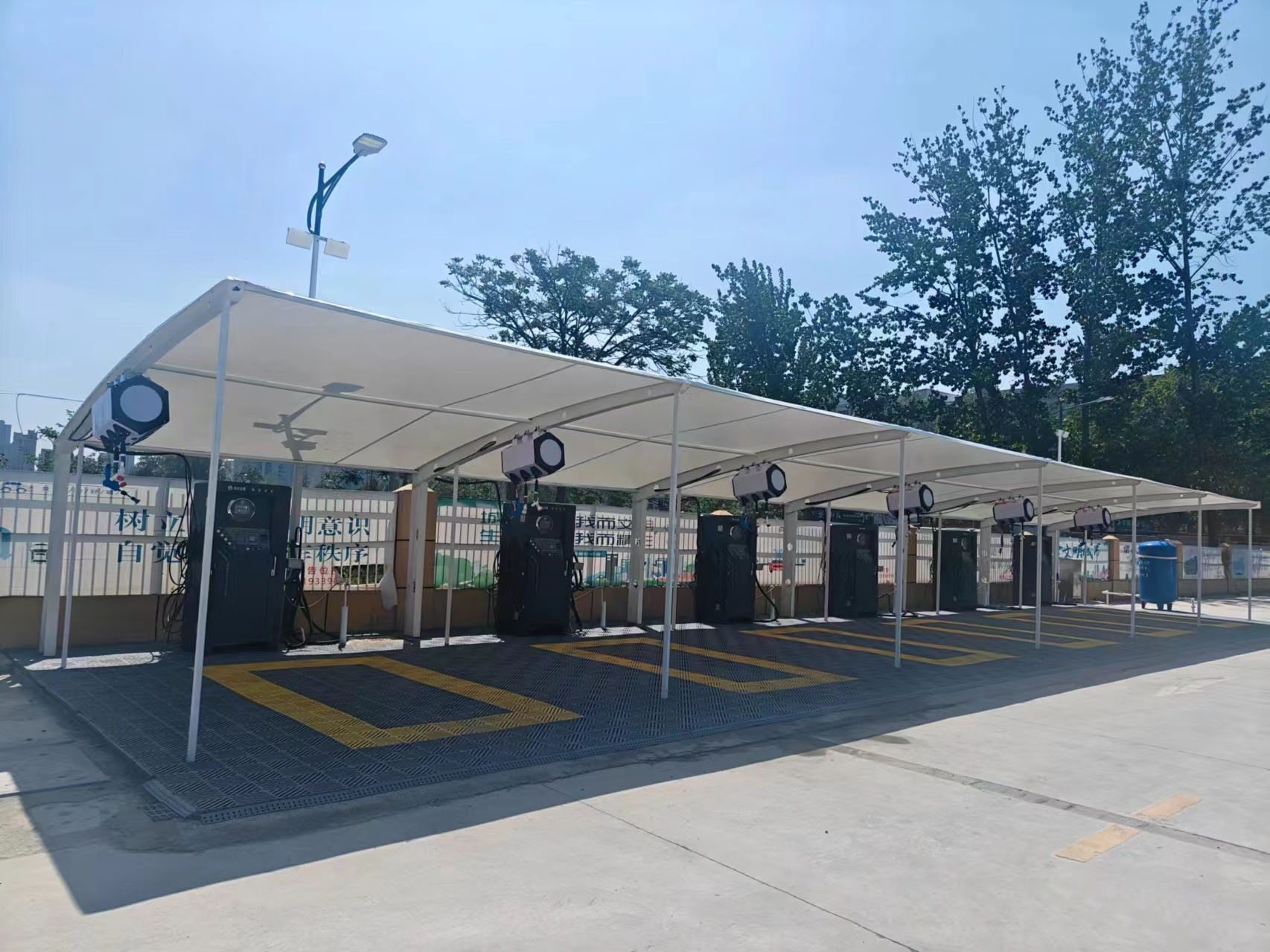
At the center of every self-service car wash are the bays where customers actively clean their vehicles. Equipping these bays constitutes a significant portion of the initial investment.
1. High-Pressure Pumping and Control Systems
The foundation of any effective self-service wash is a robust, reliable high-pressure pump system. These are commercial-grade units designed for continuous operation and handling various detergents.
-
Pumps and Motors: Costs vary significantly based on horsepower, gallons per minute (GPM) output, and durability. Industrial-grade, continuous-duty pumps can range from AUD $1,500 to $4,000+ per bay. Multi-stage systems (often centrally located for multiple bays) tend to be more efficient for larger setups but involve higher initial capital.
-
Arch/Boom Systems: These are the overhead mechanisms that support the high-pressure wand and hose, allowing customers to move freely around their vehicles. They require durable materials (stainless steel is common) and reliable rotation. Costs typically range from AUD $800 to $2,500 per bay.
-
Wand Guns and Hoses: High-pressure guns with proper safety features and chemical-resistant hoses are essential for customer experience and longevity. Expect AUD $300 to $800 per bay for quality components.
-
Multi-Function Selector Units (Vending): These panels allow customers to choose various wash options like pre-soak, soap, rinse, wax, foam brush, tire cleaner, and spot-free rinse. Modern units are robust and electronically controlled. They typically range from AUD $1,000 to $3,000 per bay, depending on the number of selections and payment integration.
2. Chemical Delivery Systems
Delivering cleaning agents efficiently and effectively is crucial.
-
Chemical Tanks and Mixers: Storing and diluting concentrated chemicals requires durable, chemical-resistant tanks and proportioning systems. A basic setup might cost AUD $500 to $1,500 per chemical, but larger, automated mixing stations can be more.
-
Plumbing and Injection Systems: The piping infrastructure to deliver various chemicals and hot water to each bay, along with accurate chemical injectors, contributes to this cost.
Maximising Revenue and Customer Experience: Ancillary Equipment
Beyond the core wash bay, several supplementary items are crucial for enhancing customer convenience, generating additional revenue, and elevating the overall perception of your facility.
1. Vacuum Stations
These are indispensable, often generating significant supplementary income.
-
Dry Vacuums: Standard coin or card-operated units with industrial motors range from AUD $3,000 to $8,000 per unit.
-
Combination Vacuum/Shampoo/Fragrance Machines: Offering added services like carpet shampooing or interior air fresheners increases perceived value and revenue potential. These more sophisticated units can cost AUD $5,000 to $12,000+ per unit.
2. Spot-Free Rinse Systems (Reverse Osmosis – RO)
A popular premium option, an RO system purifies water, ensuring a spotless, streak-free finish when it dries. This enhances customer satisfaction and often justifies a slightly higher price point.
-
RO Unit: Costs depend on gallons per day (GPD) capacity, with units suitable for multiple bays ranging from AUD $10,000 to $40,000.
-
Storage Tanks: Dedicated tanks for storing purified water are also required.
3. Water Heaters
Providing hot water, especially for winter washes or premium cleaning options, improves cleaning efficacy and customer comfort.
-
Commercial Water Heaters: High-capacity natural gas or electric water heaters are significant investments, typically ranging from AUD $4,000 to $15,000.
4. Payment Systems and Bill Changers
The method by which customers pay is integral to operational efficiency.
-
Coin Mechanisms: While traditional, they require coin handling and security. Basic mechanisms for bays are included in selector unit costs, but a central coin changer can cost AUD $3,000 to $8,000.
-
Credit/Debit Card Readers: Increasingly essential for modern businesses, individual bay card readers or integrated central systems are critical. Expect AUD $500 to $1,500 per bay/central unit, plus transaction fees.
-
Mobile App Integration: Offering app-based payments or loyalty programs is a growing trend, requiring software integration and potentially dedicated hardware.
-
Bill Breakers/Change Machines: For customer convenience. AUD $3,000 to $8,000 per unit.
-
Vending Machines: Selling car care products, air fresheners, or towels provides additional passive income. AUD $2,000 to $5,000 per unit.
5. Foam Brushes
Many self-serve car wash bays offer a foaming brush option for scrubbing stubborn grime.
-
Foam Brush System: Includes the foam generator, chemical reservoir, and dedicated brushes. Typically adds AUD $500 to $1,500 per bay.
6. Lighting and Security
For 24/7 operation and safety, proper lighting and security systems are crucial.
-
LED Lighting: Energy-efficient, durable lighting for bays, vacuums, and the perimeter: AUD $500 to $2,000+ per bay/area.
-
CCTV Surveillance: For security and monitoring: AUD $2,000 to $10,000+ for a comprehensive system.
The Hidden Landscape: Site Infrastructure, Installation & Associated Costs
The quoted price of self-service equipment often excludes significant civil works and utility hookups, which can constitute a substantial portion of the total project budget, especially in Australia.
1. Site Preparation and Civil Works
Before any equipment is installed, the site must be ready.
-
Earthworks and Grading: Levelling the ground, excavation for foundations.
-
Concrete Slabs and Foundations: Heavy-duty concrete pads for bays, vacuum stations, and the central equipment room. This is a significant cost.
-
Drainage Systems & Grit Traps/Oil Separators: Essential for environmental compliance to capture wash water contaminants. Local council regulations in Australia often mandate robust, certified grit traps and oil-water separators. These can range from AUD $10,000 to $50,000+ depending on size and complexity.
-
Utilities Trenching: Digging trenches for water, electricity, gas (if applicable), and wastewater lines.
-
Bay Canopies/Structure: If you’re not utilising existing structures, constructing the steel or aluminum canopies for each wash bay and an equipment room can be a substantial cost, easily ranging from AUD $15,000 to $40,000+ per bay.
2. Plumbing and Electrical Infrastructure
Hooking up the entire system to mains.
-
Water Lines: Incoming mains, softened water lines, RO lines.
-
Electrical Wiring: From the main grid to each piece of equipment, ensuring proper amperage and safety. Industrial-grade electrical installations are complex and costly.
-
Gas Lines: If using gas-powered water heaters.
3. Permits and Regulatory Compliance
A non-negotiable part of the investment in Australia.
-
Planning Permits: Local council approval for the development.
-
Building Permits: For any structures.
-
Environmental Permits: Wastewater discharge, chemical storage, often requiring engineers’ reports and environmental impact statements.
-
Plumbing and Electrical Certifications: Mandatory safety and compliance checks.
-
Fees and Charges: Council contributions, application fees. These collective costs can range from AUD $10,000 to $50,000+ depending on the locality and complexity of the project.
4. Installation Labor
Specialised labour is required for mounting booms, pumps, wiring electrical systems, and plumbing the entire wash process. This typically ranges from 15% to 30% of the equipment cost.
What Drives the Cost? Key Influencing Factors
Several variables play a pivotal role in shaping the final investment figure for self-service car wash equipment.
-
Quality and Durability: High-grade, stainless steel components, industrial-strength pumps, and robust control systems will always command a higher price. This premium, however, often translates into lower long-term maintenance costs and increased uptime, leading to better ROI. Economy options may save upfront but could lead to frequent repairs and replacements.
-
Number of Bays: The more wash bays you install, the higher the overall equipment cost, though some economies of scale can apply to central pump or RO systems.
-
Supplier and Brand Reputation: Established manufacturers with a track record for reliability, local support, and readily available spare parts often price their equipment higher. Investing in such brands usually comes with peace of mind and better long-term operational viability.
-
Feature Set: A basic soap/rinse bay is cheaper than one offering pre-soak, foam brush, wheel cleaner, triple-foam wax, and spot-free rinse. Each additional function adds to the control system, plumbing, and chemical delivery complexity.
-
New vs. Used Equipment: While used equipment can offer significant savings (30-60% off new prices), it comes with inherent risks of unknown maintenance history, lack of warranty, and potential for immediate repair needs. It also often lacks modern payment and control systems.
-
Location and Accessibility: Freight costs to transport heavy equipment, especially to regional areas, can be substantial. Local labor rates for installation also vary.
-
Integration Level: How seamlessly do payment systems integrate with the wash cycles? Are loyalty programs supported? Higher integration usually means higher cost.
Financial Sustainability: Operating Costs and ROI
Beyond the initial CapEx, it’s crucial to factor in ongoing operating expenses (OpEx):
-
Utilities: Water (especially if not reclaimed), electricity for pumps and heaters, and natural gas (if applicable) are significant recurring costs.
-
Chemicals: The detergents, waxes, and specialty products needed. Sourcing economically in bulk is essential.
-
Maintenance: Regular preventative maintenance, consumables like filter replacements for RO systems, and unforeseen repairs.
-
Insurance: Commercial liability and property insurance.
-
Marketing: Local advertising and signage.
The ultimate return on investment (ROI) hinges on optimising customer traffic, wash volume, pricing strategies, and controlling these operating costs effectively. While the initial equipment cost for a self-service car wash can range dramatically (from AUD $40,000 per bay for a basic setup to over $70,000+ per bay for premium, multi-function equipment, excluding civil works), a detailed financial model factoring in both CapEx and OpEx is crucial for long-term success.
Conclusion: A Calculated Investment for Independent Control
The investment in self-service car wash equipment represents a strategic entry point into the automotive cleaning industry, appealing to those seeking an operational model with more independent control and lower labour dependency. While the primary wash equipment itself forms the core of the cost, a truly comprehensive understanding of the total investment must extend to crucial ancillary systems, often underestimated site infrastructure, regulatory compliance, and installation expertise.
By meticulously researching supplier offerings, comparing feature sets against your target market’s demands, and forecasting both initial capital and ongoing operational costs, you can construct a robust financial framework. Equipping a self-service car wash is more than just purchasing machinery; it’s about building a durable, efficient, and profitable asset that caters to the enduring consumer need for accessible and effective vehicle care. The clarity you gain from this detailed cost analysis will be your most valuable tool in navigating this exciting entrepreneurial journey.
Frequently Asked Questions (FAQs) for Self-Service Car Wash Equipment Cost
-
What is the average starting cost to fully equip one self-service car wash bay?
The average cost to fully equip one self-service car wash bay, including high-pressure systems, chemical applicators, and payment options (but excluding significant civil works or canopy structures), can range from AUD $40,000 to $70,000+ per bay. This range depends on the quality, features, and number of wash options offered. -
Are spot-free rinse systems (Reverse Osmosis) a necessary investment for self-service car washes?
While not strictly mandatory, an RO system for spot-free rinse is highly recommended. It significantly enhances customer satisfaction by eliminating water spots, justifies premium pricing, and can improve customer retention. The cost for an RO unit ranges from AUD $10,000 to $40,000+ depending on capacity. -
What are the biggest “hidden” costs when planning a self-service car wash, beyond just the equipment?
The most significant “hidden” costs are often related to site preparation and infrastructure. These include extensive civil works (concrete pads, drainage, specialized grit traps for environmental compliance), major electrical and plumbing hookups, and a range of local planning, building, and environmental permits and fees. Building canopies over bays is also a substantial cost. -
How do payment systems influence the total cost of self-service car wash equipment?
Payment systems can significantly influence cost. While basic coin mechanisms are relatively inexpensive, integrating modern credit/debit card readers, mobile app payment options, or comprehensive central payment kiosks adds substantial expense. Each bay often requires a separate card reader for customer convenience, adding to the per-bay cost. -
Is it cheaper to buy used self-service car wash equipment? What are the risks?
Yes, buying used equipment can offer significant upfront savings, potentially 30-60% off new prices. However, it carries inherent risks: lack of warranty, unknown maintenance history, potential for immediate repairs, higher running costs due to older technology (e.g., less energy-efficient), and the absence of modern features like advanced payment systems. -
What ongoing operational costs should be factored into the budget, beyond the initial equipment purchase?
Key ongoing operational costs include utilities (water, electricity, gas), chemical supplies (detergents, waxes), routine maintenance and spare parts, commercial insurance, and marketing efforts to attract and retain customers. These monthly expenses are critical for determining the overall profitability and ROI of the venture.