


The idea of entrepreneurship often conjures images of groundbreaking innovations or disruptive tech. Yet, sometimes, the most robust business opportunities lie within established service sectors, reinvented for modern convenience and efficiency. Among these, the automatic car wash business stands out as a consistently attractive proposition for investors and entrepreneurs alike. With increasing demand for quick, reliable services and advancements in automation, a deep dive into the profitability of an automatic car wash service reveals a compelling landscape for investment. This comprehensive analysis will explore the multifaceted elements that define success in this sector, from intricate financial metrics to strategic operational planning, and shed light on what it truly takes to establish a thriving car wash enterprise.
The Enduring Allure of the Car Wash Industry: A Snapshot
The automotive aftercare market, including car washes, represents a significant segment of consumer spending. In today’s fast-paced world, vehicle owners increasingly prioritize convenience and efficiency. The time-consuming chore of hand-washing a car has given way to a preference for automated solutions that offer speed, consistent quality, and a hands-off experience. This shift underpins the growing popularity and financial viability of automatic car wash services, often referred to as express exterior car washes, which primarily focus on vehicle exteriors using automated equipment. The market’s resilience, even amidst economic fluctuations, further underscores its potential, as car ownership remains high and cleanliness continues to be a point of pride and necessity for many. Industry growth is propelled by technological innovations that improve wash quality, reduce environmental impact, and enhance the customer experience, making it a sector ripe for strategic investment.
Deciphering Profitability: Key Financial Metrics for Automatic Car Washes
When evaluating whether an automatic car wash service is a profitable business venture, understanding specific financial metrics is paramount. Beyond simply looking at total revenue, entrepreneurs must focus on car wash business profitability, car wash revenue streams, and critically, the car wash profit margin.
Industry benchmarks typically suggest that the average profit margin for an automatic car wash can range anywhere from 20% to 30%, and in some highly efficient models, even higher. This figure represents the percentage of revenue that remains after deducting all operating costs. Several factors contribute to this healthy margin, not least the inherent operational efficiencies of the automated model. Unlike traditional full-service car washes that require a significant labor force for manual cleaning, an express automatic car wash relies heavily on machinery, reducing the largest variable cost – wages.
Revenue streams for an automatic car wash are diversified and designed to maximize customer value and recurring income. The foundational revenue comes from various wash packages, typically tiered (e.g., basic, deluxe, premium) with ascending prices and features such as wax, tire shine, and undercarriage cleaning. Crucially, the introduction of unlimited wash memberships or subscription models has been a game-changer. These provide predictable, recurring revenue, boost customer loyalty, and encourage more frequent visits, even when weather conditions are less than ideal. Ancillary services, though less central for a purely automatic model, can also contribute, such as vacuum stations, vending machines for detailing products, or even dog wash facilities in some expansive locations. Effectively bundling these services and implementing dynamic pricing strategies, which adjust based on demand, can significantly uplift the average revenue per customer and, consequently, the overall profit margin.
Initial Investment: Understanding the Start-up Costs
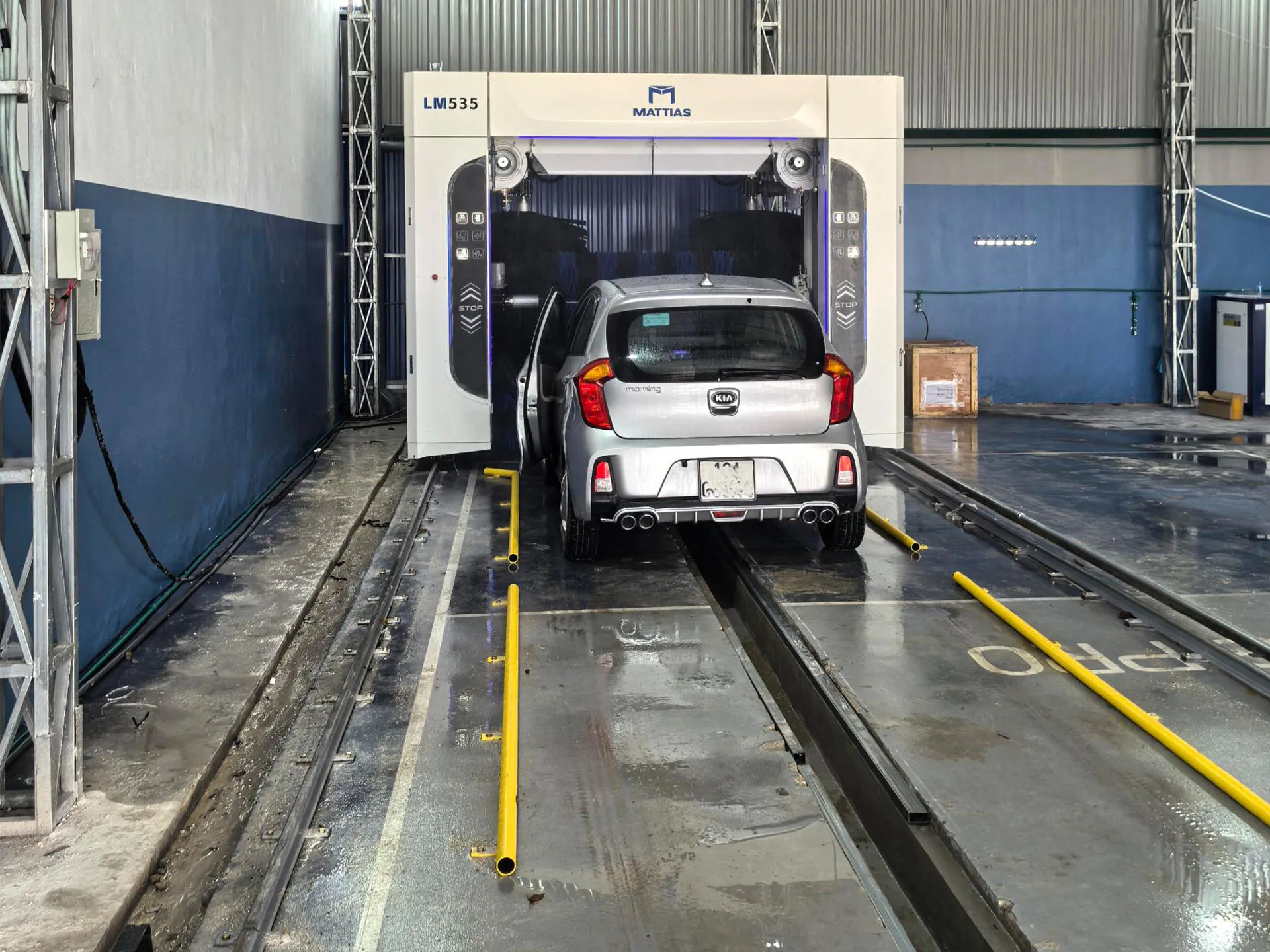
While the operational overheads for an automatic car wash are generally lower than full-service counterparts, the start-up costs for car wash business are not insubstantial, largely due to the capital-intensive nature of equipment and infrastructure. Initial expenses for establishing a fixed-site automatic car wash facility include:
-
Land Acquisition or Lease: Location is paramount. Prime spots with high traffic visibility, easy access, and favorable zoning come at a premium, representing a significant upfront investment or ongoing lease commitment.
-
Construction and Site Preparation: Developing the land, constructing the wash tunnel, control room, office space, and installing proper drainage and utility connections are substantial costs.
-
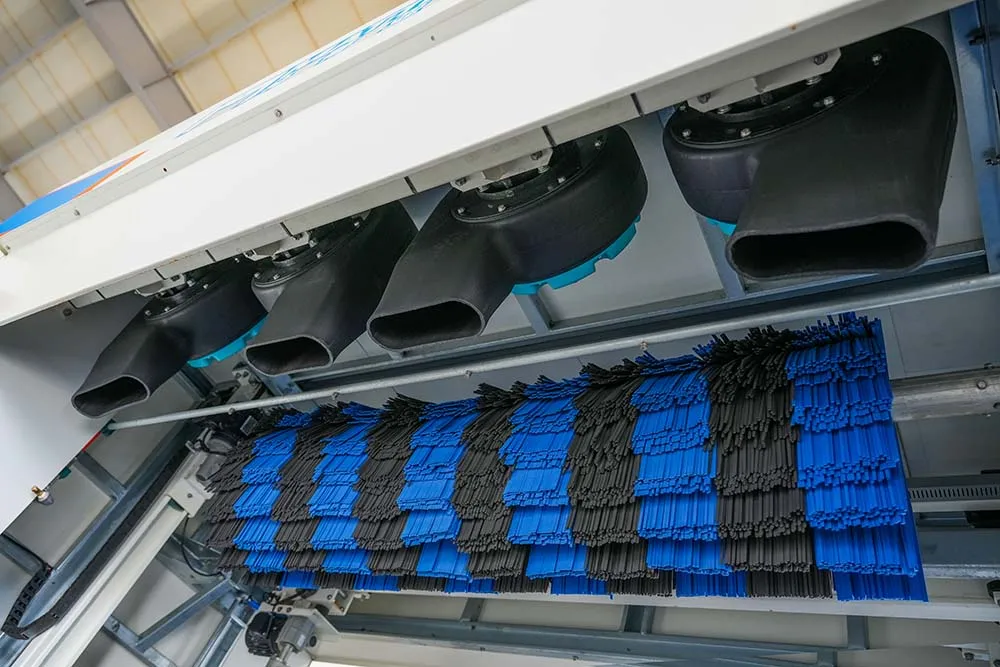
High-Quality Washing Equipment: This is the heart of the business. Costs encompass the tunnel car wash system (conveyors, arches, brushes/touchless jets), dryers, payment kiosks, water reclamation systems (increasingly vital for sustainability and operational cost reduction), vacuum islands, and sophisticated control systems. Investing in durable, efficient, and technologically advanced equipment can reduce long-term maintenance costs and enhance customer satisfaction.
-
Permits and Licensing: Navigating local, state, and environmental regulations for construction, water usage, and waste disposal requires time and often comes with associated fees.
-
Initial Inventory: Stocking chemicals, soaps, waxes, and minor spare parts.
-
Marketing and Branding: Initial outlay for establishing a strong brand identity, local advertising, website development, and launching promotional offers to attract initial customers.
-
Utilities Hook-up: Costs associated with connecting to water, electricity, and sewer services.
-
Insurance: Business insurance, liability insurance, and property insurance are essential from day one.
While these costs can total anywhere from several hundred thousand to well over a million dollars for a state-of-the-art facility, the long-term operational efficiency and revenue potential often justify this investment. Strategic financial planning, including securing adequate funding through loans or investor capital, is critical to navigating these initial expenses effectively.
Operational Efficiencies: The Engine of Sustained Profitability
Beyond the initial investment, the day-to-day operation of an automatic car wash hinges on a finely tuned balance of managing costs and maximizing output. Operational efficiency is where the real leverage of the automatic model comes into play, distinguishing it from other types of car washes.
-
Utility Costs: Water and electricity are primary ongoing expenses. Modern automatic car washes invest in advanced water reclamation systems, which can recycle and reuse a significant percentage of water, drastically reducing utility bills and aligning with eco-conscious consumer preferences. Energy-efficient dryers and LED lighting also contribute to lower electricity consumption.
-
Chemicals and Supplies: Bulk purchasing of high-quality, biodegradable chemicals is crucial for cost control and maintaining a consistent wash experience. Investing in superior cleaning agents also justifies premium wash packages and supports customer loyalty.
-
Maintenance and Repairs: Automated equipment requires regular maintenance to prevent costly breakdowns and ensure uninterrupted service. A proactive maintenance schedule and having essential spare parts on hand are vital. While equipment can be durable, wear and tear from constant use are inevitable, and budgeting for repairs is a necessity.
-
Labor Costs: This is where automatic car washes gain a significant advantage. A typical express exterior car wash can operate with minimal staff — often just a few attendants for guiding vehicles, basic customer service, and light cleaning/maintenance. This dramatically reduces the burden of payroll, benefits, and labor management common in more labor-intensive service businesses.
-
Marketing and Technology: Ongoing marketing efforts are essential to maintain customer flow, including digital advertising, local SEO, social media presence, and email campaigns for loyalty programs. Investment in reliable point-of-sale systems, membership management software, and remote monitoring capabilities further enhances operational control and data insights.
By meticulously managing these operational levers, automatic car wash owners can maintain strong profit margins and adapt to market dynamics effectively.
Maximizing Profitability: Strategic Approaches for Success
Achieving and sustaining high profitability in the automatic car wash business requires more than just efficient operations; it demands a strategic, customer-centric approach:
-
Strategic Location Analysis: The mantra “location, location, location” holds undeniable truth. Proximity to dense residential areas, major traffic arteries, retail centers, and workplaces ensures a steady stream of potential customers. Visibility and easy ingress/egress are also critical.
-
Dynamic Pricing and Service Bundling: Implementing dynamic pricing based on peak hours, days of the week, or seasonal demand can optimize revenue. Offering attractive wash packages that combine different services at progressively higher price points encourages upsells.
-
Subscription and Loyalty Programs: Unlimited wash memberships are powerful tools. They secure predictable recurring revenue, foster customer loyalty, and differentiate the business. Loyalty programs, rewarding frequent visits, further strengthen customer retention.
-
Robust Online Presence and Digital Marketing: A professional website, strong local SEO (ensuring the business appears in local “car wash near me” searches), active social media engagement, and online booking options enhance visibility and convenience for modern consumers.
-
Focus on Customer Experience: Even in an automated environment, excellent customer service is vital. Friendly, helpful attendants (where applicable), clear signage, a clean and well-maintained facility, and efficient equipment ensure a positive experience, encouraging repeat business and positive word-of-mouth.
-
Eco-Friendly Practices: Promoting the use of water reclamation systems and biodegradable chemicals appeals to environmentally conscious consumers, potentially broadening the customer base and enhancing brand image.
-
Data-Driven Decision Making: Utilizing payment system data and traffic counters to analyze peak times, popular wash packages, and customer demographics allows for informed adjustments to pricing, staffing, and marketing strategies.
Navigating Financial Risks and Estimating Return on Investment (ROI)
While promising, automatic car wash ventures are not without financial risks. Prudent planning must account for:
-
Economic Fluctuations: During economic downturns, discretionary spending on services like car washes may decrease, impacting revenue.
-
Seasonal Variations and Weather: Car wash demand is inherently linked to weather patterns. Extended periods of rain, snow, or extreme cold can significantly reduce customer visits. Businesses in regions with pronounced seasons must develop strategies to mitigate these effects, such as indoor washes or off-season marketing promotions.
-
Market Competition: A thorough car wash market competition analysis is crucial. High profitability attracts new entrants, and increased competition can exert downward pressure on prices and market share. Differentiation through superior technology, exceptional service, or unique offerings becomes key.
-
Equipment Breakdowns: Malfunctions can lead to downtime, lost revenue, and significant repair costs. A well-structured maintenance plan and readily available technical support are indispensable.
Regarding how long to profit from car wash business, it typically takes about two to three years to recover initial investments and reach stable profitability. This timeline is heavily influenced by the accuracy of the business model, effectiveness of marketing, initial capital expenditure, and local market conditions. Aggressive customer acquisition strategies and efficient cost management can accelerate this timeline. A detailed financial projection, including cash flow analysis and ROI calculations, is critical for realistic goal setting and securing financing.
The Future Landscape: Innovations in Automatic Car Washing
The automatic car wash industry is not static; it continually evolves with technological advancements. Future trends include:
-
Smart Car Wash Technology: Integration of AI and IoT for predictive maintenance, personalized wash cycles based on vehicle type or dirt level, and advanced sensory systems for optimal cleaning.
-
Enhanced Payment Systems: Seamless mobile payment integration, app-based loyalty programs, and even license plate recognition for expedited member access.
-
Sustainability Focus: Continued innovation in water recycling, eco-friendly chemicals, and energy-efficient machinery to meet environmental regulations and consumer demand.
-
Personalization: Offering customized wash experiences tailored to individual customer preferences.
Conclusion: A Promising Venture with Strategic Imperatives
In conclusion, the potential for profitability within the automatic car wash service sector is indeed high, making it an attractive business venture for discerning entrepreneurs and investors. The model thrives on convenience, operational efficiency, and scalable revenue streams, particularly through membership models. However, success is not accidental; it hinges on meticulous strategic planning, a comprehensive understanding of the local market and competitive landscape, robust financial management, and an unwavering commitment to operational excellence and customer satisfaction. With a well-executed plan that embraces modern technologies and sustainable practices, an automatic car wash service holds promising potential for significant long-term profitability and a solid return on investment in the dynamic modern business landscape.
Frequently Asked Questions (FAQs) about Automatic Car Wash Profitability
-
What is the typical profit margin for an automatic car wash business?
The average profit margin for an automatic car wash typically ranges from 20% to 30%, though highly efficient operations can achieve higher. This margin is influenced by factors like location, operational efficiency, pricing strategies, and the business model (e.g., subscription services). -
How much does it cost to start an automatic car wash?
The initial investment for a fixed-site automatic car wash can be substantial, often ranging from several hundred thousand to over a million dollars. These costs primarily cover land acquisition or lease, construction, advanced washing equipment (tunnels, dryers, payment systems), permits, and initial marketing. -
How long does it usually take for an automatic car wash to become profitable?
Generally, it takes approximately two to three years for an automatic car wash business to recover its initial investment and reach a stable level of profitability. This timeline can vary significantly based on capital expenditure, market conditions, and the effectiveness of business and marketing strategies. -
What are the primary revenue streams for an automatic car wash?
Primary revenue streams include various tiered wash packages (basic, premium, deluxe), add-on services (waxing, tire shine, undercarriage wash), and crucially, unlimited wash membership programs which provide predictable, recurring income and foster customer loyalty. -
What are the biggest challenges or risks in operating an automatic car wash?
Key challenges and risks include high upfront capital investment, competition from other car wash models, economic fluctuations affecting discretionary spending, seasonal variations in demand due to weather, and the potential for costly equipment breakdowns. Effective risk mitigation and contingency planning are essential. -
How can an automatic car wash maximize its profitability?
Profitability can be maximized through strategic location choice, dynamic pricing strategies, offering attractive unlimited wash memberships, investing in high-quality and eco-friendly equipment, maintaining a strong online presence and local marketing, and focusing on excellent customer experience even in an automated setting.