










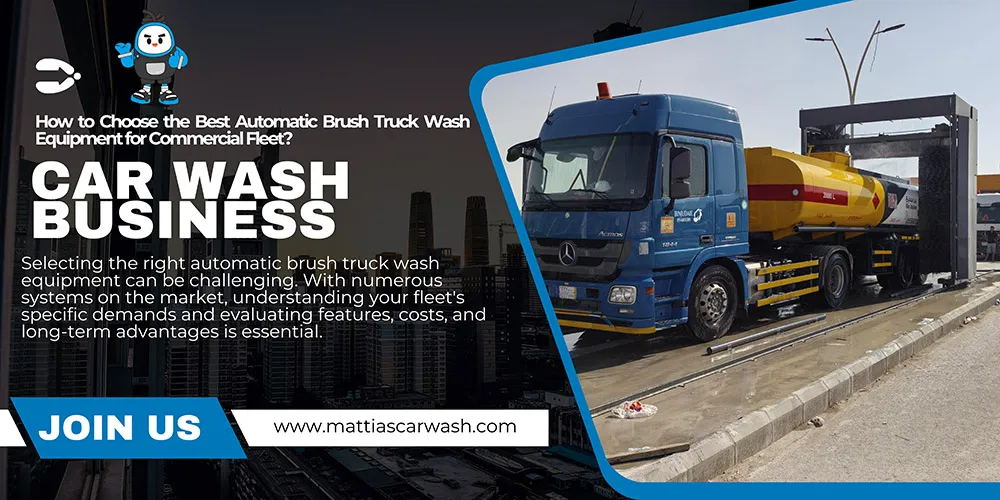

For commercial fleet managers and truck operators, maintaining clean vehicles goes far beyond appearances. Regular truck washing protects your investment, prevents corrosion, preserves paint integrity, and upholds your company’s professional reputation. But selecting the right automatic brush truck wash equipment can be challenging. With numerous systems on the market, understanding your fleet’s specific demands and evaluating features, costs, and long-term advantages is essential.
This comprehensive guide will help you evaluate your needs and select the optimal solution for your trucking operation.
Why Consistent Washing Is Critical for Your Commercial Fleet
Dirty trucks aren’t merely unsightly; accumulated dirt, road salt, and debris can cause serious paint damage and accelerate corrosion. Mike Johnson, Fleet Operations Director at Premier Logistics, notes, “Consistent washing doesn’t just maintain our professional appearance—it protects our equipment investment and maximizes vehicle lifespan.”
For trucking companies, clean vehicles represent more than aesthetics. They demonstrate your organization’s dedication to excellence and reliability. Moreover, trucks carrying excessive dirt or contaminants may face regulatory compliance issues, particularly when crossing state lines or entering certain facilities.
Types of Automatic Truck Wash Systems
Brush vs. Touchless Technologies
When evaluating truck wash systems, the primary decision involves choosing between brush-based and touchless technology. Here’s an overview of each approach:
Brush Systems (including Drive-Through Brush Wash systems)
How it works: Rotating brushes physically contact the truck surface, delivering deep cleaning action. Advantages: Superior cleaning efficiency, faster wash cycles, and excellent removal of stubborn contaminants. Best suited for: Heavy-duty trucks with robust exterior coatings.
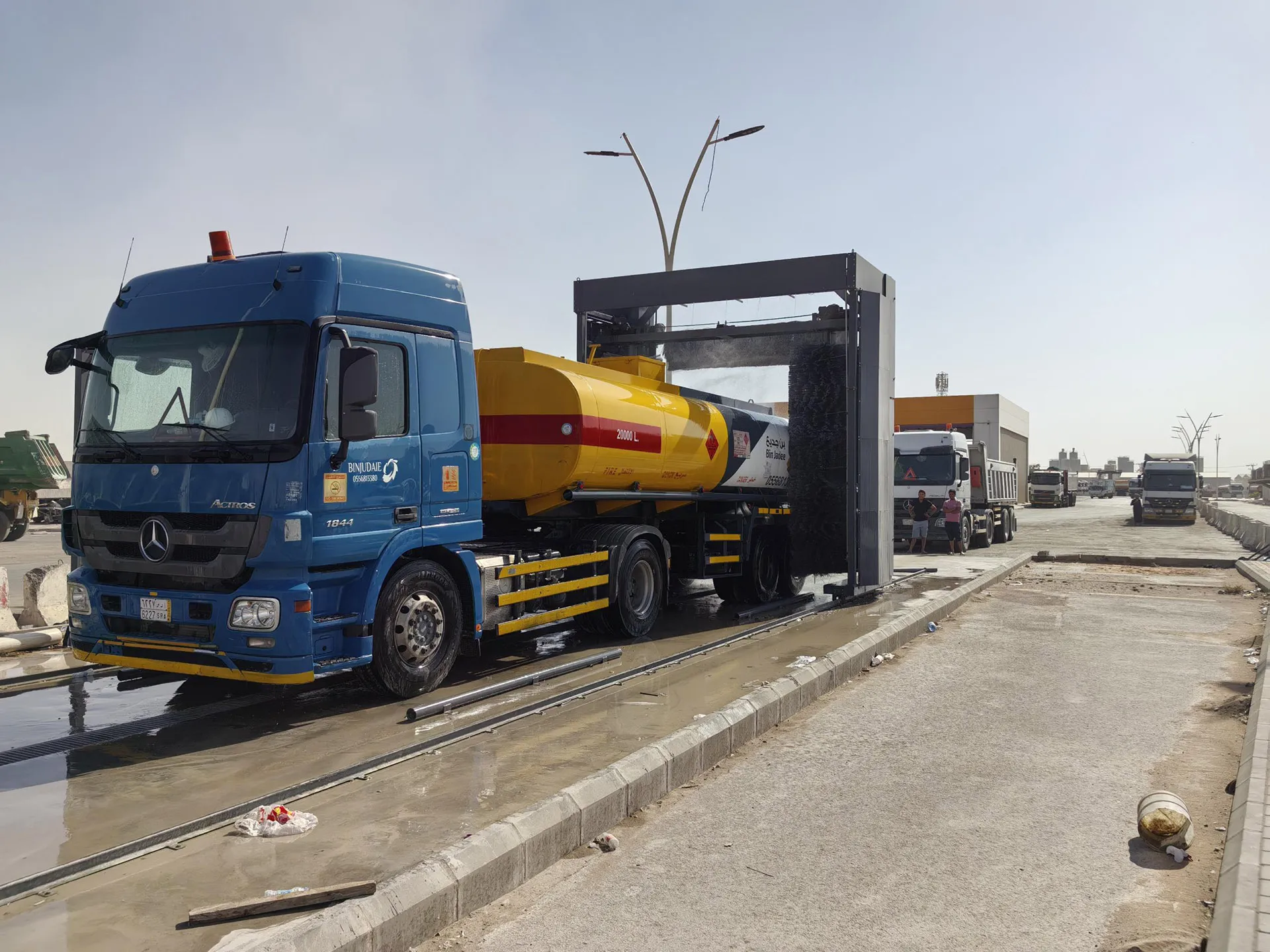
Advanced models, such as Heavy-Duty Gantry Brush Wash Equipment, utilize sophisticated positioning technology to adapt to various truck configurations for comprehensive cleaning coverage.
How it works: Employs high-pressure water streams and specialized detergents without physical contact. Advantages: Eliminates scratch risk and accommodates custom graphics or sensitive finishes. Limitations: Less effective against heavy buildup compared to brush systems.
While both systems serve specific purposes, most commercial fleet managers prefer automatic brush wash systems for their superior cleaning performance and operational efficiency.
Key Features to Consider
After determining your preferred system type, examine specific features that will influence your daily operations.
- Equipment Dimensions: The wash system must accommodate your largest vehicles. Evaluate clearance height, lane width, and overall length requirements to ensure universal compatibility across your fleet.
- Cleaning Capacity & Speed: What’s your daily truck volume? High-capacity systems can process multiple vehicles consecutively, minimizing downtime and labor requirements.
- Water Management: Prioritize systems featuring water reclamation technology. Advanced water management reduces operational expenses while supporting environmental sustainability goals.
- Brush Construction: Brush material selection impacts both cleaning effectiveness and equipment longevity.
Foam brushes: Provide gentle yet thorough cleaning while protecting painted surfaces.
Synthetic bristles: Offer aggressive cleaning power but may increase wear on delicate finishes.
- Adaptive Cleaning Technology: Revolutionary features like Heavy-Duty Gantry Brush Wash Equipment automatically adjust to truck contours, ensuring consistent cleaning results regardless of vehicle configuration.
- Chemical System Flexibility: Choose systems offering adjustable detergent concentrations to handle varying contamination levels, from light dust to heavy mud accumulation.
Assessing Your Operational Requirements
Proper system selection starts with analyzing your company’s unique circumstances.
Fleet Composition: Larger fleets typically benefit from high-throughput systems with rapid cycle times. Facility Limitations: Consider whether your space accommodates a full gantry installation or requires a compact drive-through configuration. Financial Parameters: Beyond initial investment, factor in long-term savings in labor, utilities, and chemical consumption.
Implementation and Ongoing Support
Installing an automatic truck wash system represents a substantial commitment, so understanding the process is crucial:
- Installation Schedule: Most installations require several weeks, depending on system complexity and facility modifications.
- Operator Training: Personnel must learn efficient system operation and basic maintenance procedures.
- Preventive Maintenance: Establish regular inspection and service schedules to maximize equipment life and prevent costly breakdowns.
Additionally, select vendors providing comprehensive after-sales support to ensure ongoing assistance when needed.
Financial Returns and Cost Efficiency
While automatic truck wash systems require significant upfront investment, long-term benefits typically justify the expense. Consider these ROI factors:
Labor Reduction: Automated systems dramatically decrease manual washing requirements. Maintenance Prevention: Regular cleaning prevents exterior damage, reducing long-term repair expenses. Resource Conservation: Efficient systems with recycling capabilities minimize water consumption and costs.
Ultimately, quality equipment investment delivers substantial lifetime savings while maintaining peak fleet condition.
Real-World Success Examples
Consider these actual fleet operators who’ve realized the automatic brush wash system benefits:
Mountain Express Trucking in Colorado decreased wash times by 40% using a Heavy-Duty Gantry system, improving efficiency across their 200-truck fleet. Green Fleet Solutions implemented adaptive wash technology and reduced water consumption by 45%, saving over $20,000 annually.
These examples illustrate how modern systems enhance both efficiency and profitability.
Selecting Your Optimal Solution
When choosing automatic brush truck wash equipment, no universal solution exists. By analyzing your fleet size, facility constraints, and essential features like capacity and water efficiency, you can invest in a system matching your operational objectives.
The initial decision may seem overwhelming, but selecting wisely today ensures years of streamlined operations and cost reductions. If you’re prepared to enhance your fleet maintenance program, explore industry-leading options like Heavy-Duty Gantry Brush Wash Equipment.
Make the strategic investment to keep your commercial fleet clean, professional, and operating efficiently for the years ahead.