






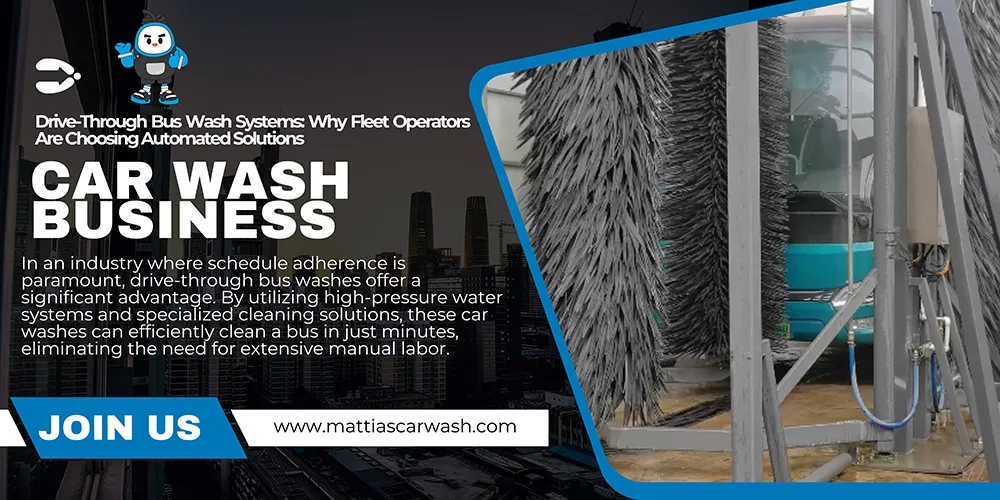

The public transportation industry is constantly evolving, and one of the latest advancements causing a stir is the rise of drive-through bus washes. These state-of-the-art facilities have captivated the attention of bus drivers and fleet operators alike, propelling them towards a cleaner, more efficient future. With their revolutionary approach to vehicle maintenance, let’s delve into why these drive-through bus washes are becoming the new standard.
In an industry where schedule adherence is paramount, drive-through bus washes offer a significant advantage. By utilizing high-pressure water systems and specialized cleaning solutions, these car washes can efficiently clean a bus in just minutes, eliminating the need for extensive manual labor. This not only reduces operational costs but also ensures a consistent and thorough cleaning process that maintains fleet standards across the board.
Additionally, drive-through bus washes play a critical role in maintaining the lifespan and appearance of public transit vehicles. Regular cleaning helps prevent corrosion, rust, and other damage caused by urban pollutants and environmental factors. This means bus operators can prolong the life of their vehicles, reduce maintenance costs, and maintain a professional and respectable image that passengers expect from their public transportation system.
As the demand for drive-through bus washes continues to surge, it’s clear that the industry is embracing this revolutionary technology. Bus drivers and fleet operators are racing towards the future, recognizing the convenience, efficiency, and cost-saving benefits of automated washing. It’s time to leave the old manual methods behind and embrace the future of bus fleet maintenance.
The challenges of traditional bus washing methods
Bus washing has long been a necessary but often tedious and time-consuming task for transit authorities and fleet operators. Traditional bus washing methods typically involve manual scrubbing, using hoses, and dedicating significant manpower to maintain fleet cleanliness. These traditional methods present several challenges that have driven the industry to seek more efficient solutions.
One of the primary challenges with traditional bus washing is the amount of time and labor required. Manually scrubbing a large public transit vehicle can take hours, cutting into the valuable time that bus operators need to focus on their core service operations. This not only reduces fleet availability but also increases labor costs, as additional staff may be required to handle the intensive washing duties required for these massive vehicles.
Another challenge with traditional bus washing is the inconsistency in the cleaning process. Depending on the skill and attention of the individual performing the washing, the level of cleanliness can vary greatly. This can lead to uneven results, with some areas of the bus remaining dirty or not being cleaned thoroughly enough. This inconsistency can negatively impact the overall appearance of the vehicle, which is crucial for maintaining public confidence and satisfaction in the transit system.
Additionally, traditional bus washing methods often rely on large volumes of water and harsh chemicals, which can be a significant expense for fleet operators. The need to dispose of contaminated wash water and the potential for environmental impact also add to the challenges of traditional bus washing. As the industry becomes more conscious of its environmental footprint, the demand for more sustainable and eco-friendly washing solutions has grown substantially.
The benefits of drive-through bus washes
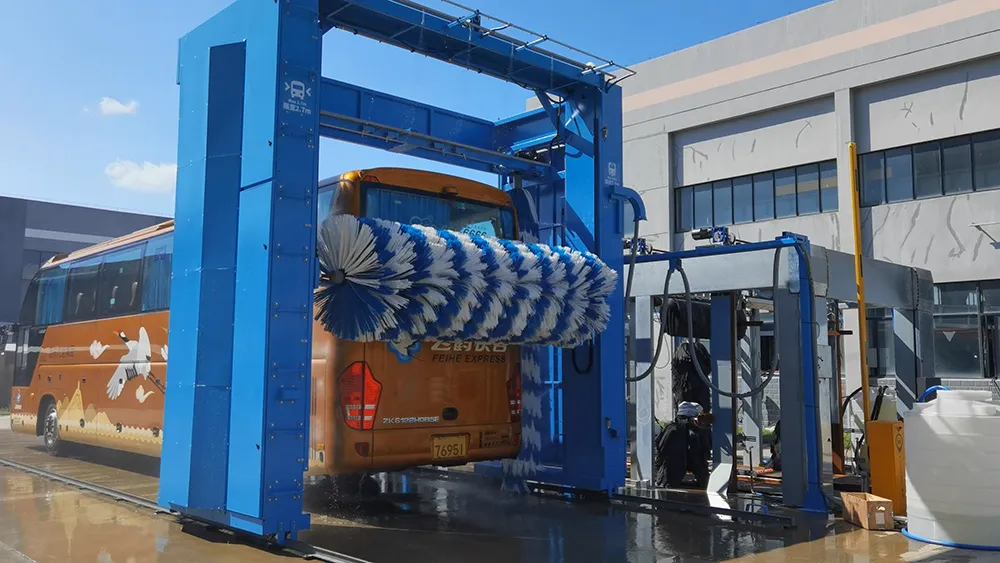
The emergence of drive-through bus washes has revolutionized the way the public transportation industry approaches vehicle cleaning. These state-of-the-art facilities offer a range of benefits that have made them increasingly attractive to bus drivers and fleet operators nationwide.
One of the primary advantages of drive-through bus washes is the significant time savings they provide. By utilizing high-pressure water jets and advanced cleaning technologies, these washes can efficiently clean a bus in just minutes, eliminating the need for manual scrubbing. This allows buses to return to service quickly, maximizing fleet availability and ensuring schedule reliability that passengers depend upon.
Another significant benefit of drive-through bus washes is the consistent and thorough cleaning they deliver. The automated systems ensure that every inch of the bus is thoroughly cleaned, leaving no area untouched. This consistent cleaning process helps maintain the bus’s appearance, which is crucial for maintaining public trust and meeting the high standards that transit riders expect from their public transportation system.
Furthermore, drive-through bus washes offer a more cost-effective solution compared to traditional washing methods. By reducing the labor required and optimizing water usage, these washes can significantly lower the overall costs associated with vehicle cleaning. This can translate to substantial savings for transit authorities, who can reallocate those funds to other critical aspects of their operations, such as route expansion or fleet modernization.
| Applicable Car Types |
Bus, Coach, and Large Passenger Vehicle |
|---|---|
| Installation Space | 10 x 7.6 x 5.5 m(L*W*H) |
| Max.Washable Car Dimensions | unlimited x 2.8 x 3.5-4.2 m(L*W*H) |
| Car Wash Mode | Standard wash |
| Washing Mode | Drive-through foam+brushing |
| Estimated Wash Time | 40-60 cars/h |
| Estimated Power Consumption | 0.21 kWh/car |
| Estimated Water Consumption | 120 l/car |
| Estimated Wash Liquid Consumption | 50 ml/car |
| Rated Power (including air/dryer/water pump) | 9.2 kW ( without dyrer) |
| Rated Voltage | 3-ph AC380V 50Hz |
| Air Source Requirement | 0.6~0.8 Mpa |
The rise in demand for drive-through bus washes
As the benefits of drive-through bus washes become increasingly apparent, the demand for these innovative facilities has been steadily rising within the public transportation industry. Several factors have contributed to this growing trend that is reshaping fleet maintenance strategies.
One of the primary drivers of the increased demand is the recognition of the time-saving and efficiency advantages that automated washes offer. In an industry where maintaining strict schedules is essential, the ability to quickly and thoroughly clean a bus without extensive manual labor has become a significant selling point. Bus operators and transit authorities are increasingly prioritizing the convenience and operational gains that these washes provide.
Another factor contributing to the rise in demand is the growing focus on maintaining the appearance and lifespan of public transit vehicles. Regular cleaning helps prevent corrosion, rust, and other types of damage caused by urban pollution and environmental factors. By utilizing drive-through bus washes, fleet operators can ensure their vehicles remain in top condition, reducing maintenance costs and extending their useful life while maintaining the professional image that builds public confidence.
The growing emphasis on environmental sustainability has also played a role in the increased demand for drive-through bus washes. These facilities often use eco-friendly detergents and advanced water reclamation systems, making them a more environmentally responsible choice compared to traditional washing methods. As the industry becomes more conscious of its environmental impact, the adoption of automated washes has become a strategic decision for many progressive transit authorities.
How drive-through bus washes work
Drive-through bus washes are designed to provide a streamlined and efficient cleaning process without the need for extensive manual intervention. These state-of-the-art facilities utilize a combination of advanced technologies to ensure a thorough and consistent wash for large public transit vehicles.
At the heart of a drive-through bus wash is a series of high-pressure water jets that are strategically positioned to target every surface of the bus. These powerful jets, often operating at pressures exceeding 1,000 PSI, are capable of removing even the most stubborn dirt and grime from the vehicle’s exterior. The water jets are precisely calibrated to cover the entire surface of the bus, ensuring that no area is left untouched, from the front windshield to the rear panels.
In addition to the water jets, drive-through bus washes employ a range of specialized cleaning solutions and detergents. These eco-friendly formulations are designed to effectively break down and lift away dirt, grease, and urban pollutants without causing any damage to the bus’s paint or finish. The cleaning solutions are typically applied through a series of foam applicators or specialized nozzles, further enhancing the cleaning process and ensuring optimal results.
The automated nature of drive-through bus washes also allows for a consistent and repeatable cleaning process. The buses are guided through the wash bay by a series of sensors and control systems, ensuring that the cleaning sequence is executed with precision and accuracy. This consistency helps to maintain the high standards of cleanliness that fleet operators and the riding public demand from their public transportation system.
The cost-effectiveness of drive-through bus washes
One of the key advantages of drive-through bus washes is their cost-effectiveness, making them an attractive option for transit authorities and fleet operators alike. These innovative facilities offer a range of cost-saving benefits that can have a significant impact on operational budgets and long-term financial planning.
The primary cost-saving factor of drive-through bus washes is the reduction in labor costs. Traditional bus washing methods often require a team of personnel to manually scrub and clean the vehicles, which can be both time-consuming and labor-intensive. In contrast, automated washes utilize sophisticated systems that can clean a bus efficiently with minimal human intervention. This reduction in labor costs can translate to substantial savings for transit authorities, allowing them to reallocate those funds to other critical areas of their operations, such as driver training or infrastructure improvements.
Another cost-saving aspect of drive-through bus washes is the optimization of water and chemical consumption. These facilities are designed to use resources more efficiently, often incorporating water reclamation systems and precise chemical dosing that reduces waste. This not only reduces the overall resource usage but also minimizes the costs associated with water procurement and waste disposal. In regions where water conservation is a priority, this resource-efficient approach can be particularly advantageous for public agencies.
Furthermore, the consistent and thorough cleaning provided by drive-through bus washes can lead to long-term cost savings. By maintaining the appearance and condition of fleet vehicles, these washes help prevent premature wear and tear, reducing the need for costly repairs and extending the lifespan of the buses. This translates to lower maintenance and replacement costs for fleet operators, ultimately contributing to their overall operational efficiency and budget sustainability.
Environmental advantages of drive-through bus washes
As the public transportation industry becomes increasingly conscious of its environmental impact, the rise of drive-through bus washes has brought forth a range of eco-friendly benefits that are attracting the attention of both fleet operators and environmental advocates.
One of the primary environmental advantages of drive-through bus washes is their water conservation efforts. These facilities are designed to minimize water consumption through the use of high-pressure water jets, advanced reclamation systems, and eco-friendly detergents. By reducing the amount of water required for each wash, automated systems help to alleviate the strain on local water resources, particularly in regions where water scarcity is a pressing concern for municipal authorities.
Furthermore, the use of eco-friendly cleaning solutions in drive-through bus washes ensures that the wastewater generated is less harmful to the environment. Traditional bus washing methods often rely on harsh chemicals and detergents that can hurt local ecosystems and water bodies. Automated washes, on the other hand, employ biodegradable and environmentally friendly formulations that are less damaging to the surrounding environment and meet stringent environmental regulations.
Another environmental advantage of drive-through bus washes is their energy efficiency. These facilities are designed with energy-saving technologies, such as LED lighting and efficient water heating systems, which help to reduce their overall energy consumption. This translates to a lower carbon footprint and aligns with the industry’s growing commitment to sustainability and environmental responsibility, particularly important for public agencies accountable to environmentally conscious taxpayers.
The future of drive-through bus washes
As the public transportation industry continues to evolve, the rise of drive-through bus washes is poised to shape the future of vehicle cleaning and maintenance. These innovative facilities are not only addressing the current challenges faced by fleet operators and transit authorities but also laying the groundwork for even more advanced solutions in the years to come.
One of the key trends shaping the future of drive-through bus washes is the integration of advanced technologies. As the industry continues to embrace digital transformation, these facilities are expected to incorporate cutting-edge sensors, artificial intelligence, and data analytics to further optimize the cleaning process. This could lead to even more efficient and personalized washing experiences, tailored to the unique needs of each bus and its operational requirements.
Another area of focus for the future of drive-through bus washes is the continued emphasis on environmental sustainability. As the industry becomes increasingly conscious of its carbon footprint, these facilities will likely continue to invest in eco-friendly technologies and practices, such as closed-loop water recycling, renewable energy sources, and the use of biodegradable cleaning solutions. This commitment to sustainability will not only benefit the environment but also appeal to transit authorities who are seeking more responsible and ethical operational practices.
Furthermore, the integration of drive-through bus washes into the broader ecosystem of fleet management and transit operations is expected to grow. As the industry embraces the concept of connected vehicles and smart infrastructure, these washing facilities could become seamlessly integrated with fleet management systems, scheduling software, and other operational tools. This integration could lead to even greater efficiencies, improved fleet visibility, and enhanced decision-making capabilities for transit operators.
How bus drivers and fleet operators can benefit from drive-through bus washes
As the public transportation industry continues to embrace the rise of drive-through bus washes, both bus drivers and fleet operators are poised to reap a multitude of benefits from this innovative technology that is transforming vehicle maintenance practices.
For bus drivers, the primary advantage of drive-through bus washes is the significant time savings they offer. By eliminating the need for manual scrubbing and reducing the overall washing time, these facilities allow drivers to complete their pre-service preparations more efficiently, ensuring on-time departures and schedule adherence. This translates to reduced stress, improved job satisfaction, and the ability to maintain the punctual service that passengers rely upon for their daily transportation needs.
In addition to the time savings, bus drivers can also benefit from the consistent and thorough cleaning provided by drive-through bus washes. These facilities ensure that every inch of the vehicle is cleaned to the highest standards, helping to maintain the bus’s appearance and professional image. This can be particularly important for drivers who take pride in their vehicles and work in systems where the appearance of the bus is a reflection of the transit agency’s commitment to quality service.
For fleet operators and transit authorities, the benefits of drive-through bus washes extend beyond just the time and labor savings. These facilities offer a cost-effective solution that can have a significant impact on operational budgets. By reducing the overall costs associated with vehicle cleaning, including water usage and labor expenses, fleet operators can reallocate those funds to other critical areas of their operations, such as route improvements, fleet expansion, or enhanced passenger amenities.
Conclusion: Embracing the future of bus washing
The rise of drive-through bus washes has ushered in a new era of vehicle cleaning and maintenance for the public transportation industry. These innovative facilities have captivated the attention of bus drivers and fleet operators alike, as they offer a range of benefits that address the challenges of traditional washing methods while meeting the evolving needs of modern transit systems.
From the significant time savings and consistent cleaning results to the cost-effectiveness and environmental advantages, drive-through bus washes have become the new standard in the industry. As the demand for these facilities continues to grow, it is clear that bus drivers and fleet operators are racing towards the future, embracing the convenience, efficiency, and sustainability that these state-of-the-art washing solutions provide.
By embracing the future of bus washing, the industry is poised to experience a transformative shift. Improved operational efficiency, reduced costs, and a more sustainable approach to vehicle maintenance will all contribute to the overall success and competitiveness of public transportation systems. As the industry continues to evolve, the adoption of drive-through bus washes will undoubtedly play a crucial role in shaping the future of public transit vehicle cleaning and maintenance.
The rise of drive-through bus washes is not just a passing trend, but a testament to the industry’s commitment to innovation and progress. By embracing this technology, bus drivers and fleet operators are positioning themselves for success in an increasingly competitive and dynamic transportation landscape. The future of bus washing is here, and it’s time to leave the old manual methods behind and embrace the clean, efficient, and sustainable solutions that drive-through bus washes have to offer.