


The gleaming promise of an automatic car wash business—consistent revenue, scalable operations, and a relatively hands-off model—often entices entrepreneurs. However, beneath the shine, a complex interplay of operational hurdles, economic pressures, and regulatory demands can challenge even the most meticulous planning. Establishing and sustaining a profitable automatic car wash requires more than just innovative equipment; it demands a deep understanding of core operational expenses, strategic human resource management, unwavering commitment to service quality, and an adaptable approach to external market forces.
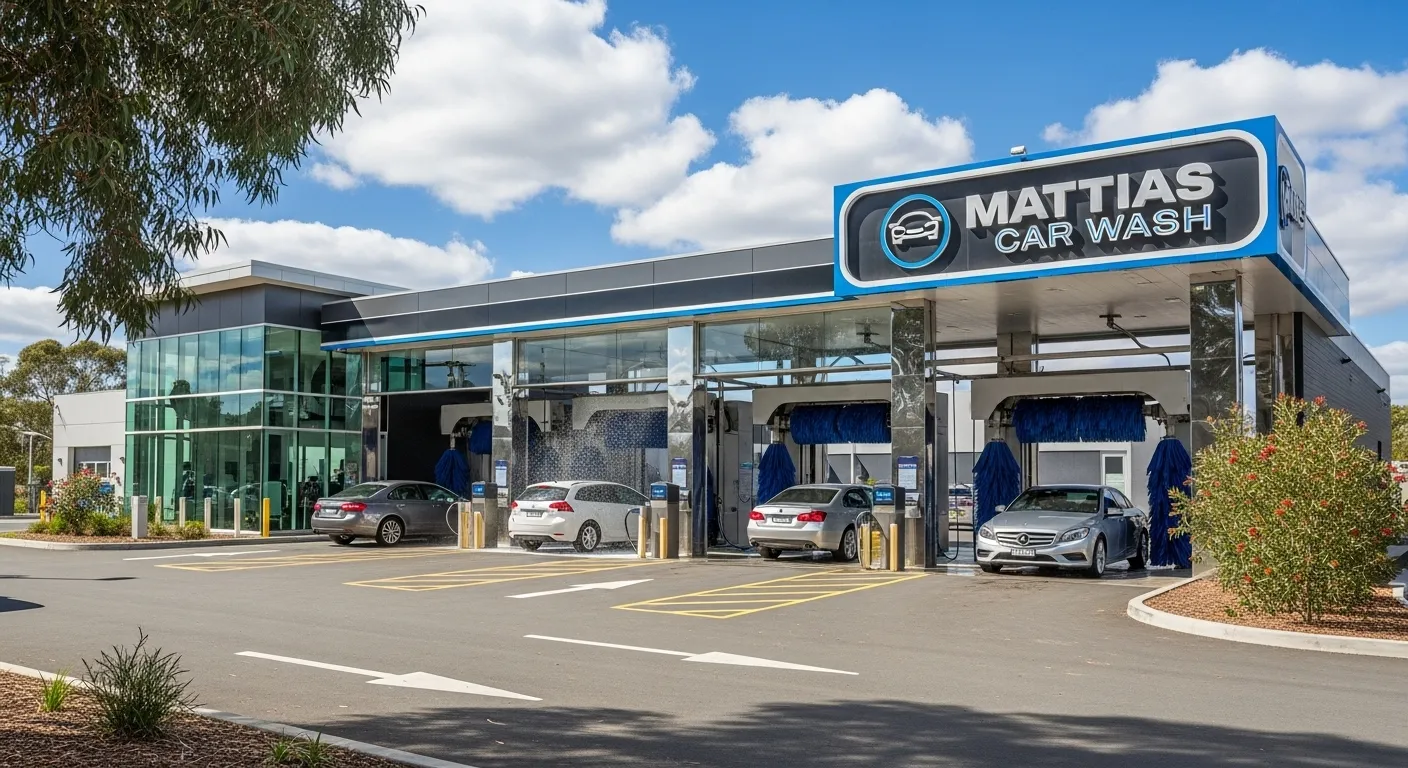
Success in the eco-friendly car wash sector, for instance, means meticulously managing water usage guidelines and energy consumption. Understanding the nuances of operational expenses is paramount for building a resilient business model that thrives amidst a dynamic competitive landscape. This comprehensive blog post will delve into the multifaceted challenges faced by automatic car wash operators, offering insights and strategic considerations to not only address but also overcome these obstacles for long-term profitability and sustainable growth.
The Financial Floodgates: Managing Operational Costs
One of the primary battlegrounds for automatic car wash owners lies in controlling escalating operational costs. Unlike many service industries, car washes are inherently resource-intensive, making the management of utilities and consumables a continuous balancing act.
Water Usage Guidelines and Conservation: Water is arguably the lifeblood of a car wash, and its consumption is under increasing scrutiny due to environmental concerns and rising utility prices. Operators must navigate stringent water usage guidelines, which often involve obtaining specific permits and adhering to discharge regulations. Inefficient water management directly impacts the bottom line and public perception. Challenges include understanding local and state wastewater regulations, preventing water pollution from runoff, and ensuring compliance with environmental permits. Investing in advanced water reclamation and recycling systems is no longer a luxury but a necessity, dramatically reducing fresh water intake and waste discharge. Regular maintenance of these systems, including checking for leaks and maintaining proper calibration of equipment, is crucial for efficiency.
Electricity Consumption: Modern automatic car washes rely heavily on electricity to power an array of pumps, motors, dryers, and other sophisticated equipment. Energy efficiency is a significant challenge, with energy consumption contributing to both operating expenses and the carbon footprint. High-powered dryers, for instance, are substantial energy hogs. Addressing this involves implementing energy-efficient equipment, optimizing operational schedules to avoid peak utility rates, and exploring renewable energy sources like solar panels. Regular inspections of electrical components are also essential for safety and efficiency.
Biodegradable Car Wash Products: A commitment to eco-friendliness translates to using biodegradable cleaning agents, waxes, and other consumables. While beneficial for the environment and brand image, these products can sometimes be more expensive than conventional alternatives. The challenge lies in sourcing high-quality, effective, and environmentally safe products that align with both performance expectations and budget constraints. Proper handling, storage, and dilution ratios of these chemicals are critical for both effectiveness and compliance. Poor-quality chemicals can also damage equipment or vehicles, leading to reputational harm and costly repairs.
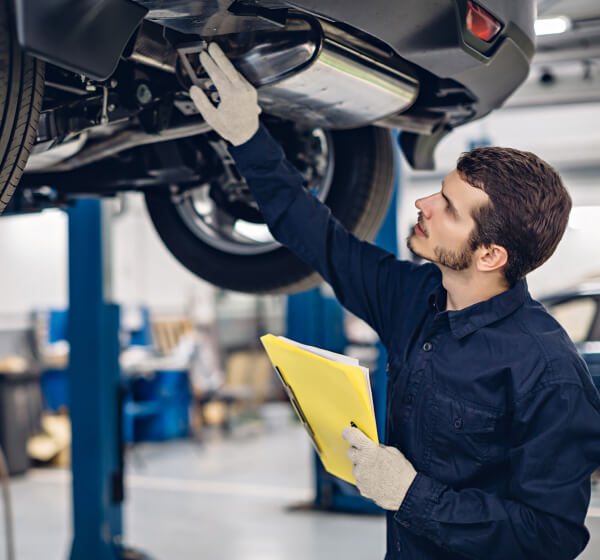
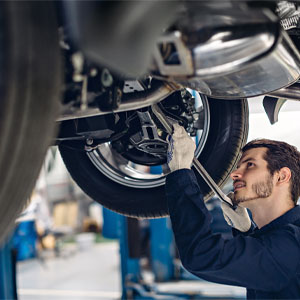
Equipment Maintenance and Downtime: The machinery in an automatic car wash is subjected to constant wear and tear. Pumps, brushes, nozzles, conveyors, and sensors all require regular, preventative maintenance to ensure optimal performance and prevent costly breakdowns. A single malfunction can lead to downtime, lost revenue, and customer frustration. Challenges include scheduling maintenance without disrupting operations, stocking necessary spare parts, and having access to skilled technicians for repairs. Ignoring maintenance can result in a gradual deterioration of the system and increased repair costs over time.
The Human Element: Staffing Challenges
While “Automatic” implies minimal human intervention, staffing remains a critical challenge for car wash businesses, particularly in areas like hiring, training, and retaining skilled personnel.
Hiring and Training Skilled Personnel: The success of an automatic car wash isn’t solely dependent on machines; competent staff are vital for oversight, customer interaction, basic maintenance, and addressing issues the machines cannot. Finding individuals who are not only capable but also customer-service oriented, particularly in self-service or express car wash models where attendants often upsell services or assist with minor issues, can be difficult. Training programs must cover equipment operation, safety protocols, chemical handling, and effective customer engagement.
Retaining Employees Amidst Turnover: The car wash industry, like many service sectors, can experience high employee turnover. This constant churn leads to increased recruitment and training costs, impacts service consistency, and strains remaining staff. Challenges include offering competitive wages and benefits, fostering a positive work environment, and creating opportunities for growth. Promoting from within and investing in employee development can significantly improve retention. A dedicated team committed to providing excellent service directly enhances customer experience and efficiency.
The Customer’s Verdict: Ensuring Consistent Service Quality
Customer satisfaction and repeat business are the cornerstones of any successful service operation. For an automatic car wash, ensuring consistent service quality across every vehicle is a perpetual challenge.
Maintaining a Spotless and Damage-Free Finish: Customers expect a thoroughly clean and dry car without streaks, residue, or—most importantly—damage. Challenges arise from factors like clogged nozzles, incorrect chemical dilutions, worn brushes, or hard water spots. While automated systems offer consistent results by minimizing human error, mechanical components can still malfunction, potentially causing scratches or other surface damage. Regular calibration and quality checks are essential. Touchless car washes aim to reduce physical contact, thereby lowering scratch risk, but might not always remove heavy grime as effectively.
Managing Customer Expectations and Feedback: Discrepancies between perceived and actual cleanliness, or even minor issues like wet spots, can lead to negative reviews and reduced customer loyalty. Implementing effective feedback mechanisms—such as surveys or readily accessible complaint resolution processes—is crucial. Promptly addressing customer concerns demonstrates a commitment to quality and can transform a negative experience into a positive one.
Navigating the Tides: External Factors and Adaptability
Automatic car washes operate within a broader ecosystem of external factors, from the unpredictable whims of weather to the immutable force of regulations and the evolving landscape of eco-friendly trends.
Adapting to Weather Fluctuations: Weather has a direct and often dramatic impact on car wash demand. Rainy, snowy, or extremely cold days significantly reduce customer traffic, while clear, warm days bring a surge. This seasonality presents a challenge for revenue predictability and resource allocation, including staffing. Diversifying services, offering membership programs, or implementing targeted marketing campaigns during slow periods can help mitigate these fluctuations.
Embracing Eco-Friendly Car Wash Trends: With increasing environmental awareness, customers are gravitating towards businesses that demonstrate ecological responsibility. Adopting eco-friendly practices, beyond just biodegradable chemicals, includes advanced water recycling, energy-efficient operations, and responsible waste management. Businesses that openly promote their sustainable practices can enhance their reputation and attract environmentally conscious customers. Staying updated with certifications and best practices ensures not only compliance but also a competitive edge.
Navigating Car Wash Regulations, Environmental Permits, and Zoning Laws: The regulatory environment for car washes can be complex, encompassing local, state, and even federal guidelines. These often include restrictions on wastewater discharge, chemical disposal, noise levels, and land use. Obtaining and maintaining necessary environmental permits, complying with local zoning laws, and understanding the nuances of water quality control board regulations are non-negotiable for lawful operation. Ignorance of these regulations can lead to hefty fines, operational shutdowns, and severe reputational damage. Proactive engagement with regulatory bodies and a clear understanding of compliance requirements are critical for a resilient business.
Charting a Course for Success: Strategic Solutions
Overcoming these significant operational challenges requires a strategic, multi-pronged approach:
-
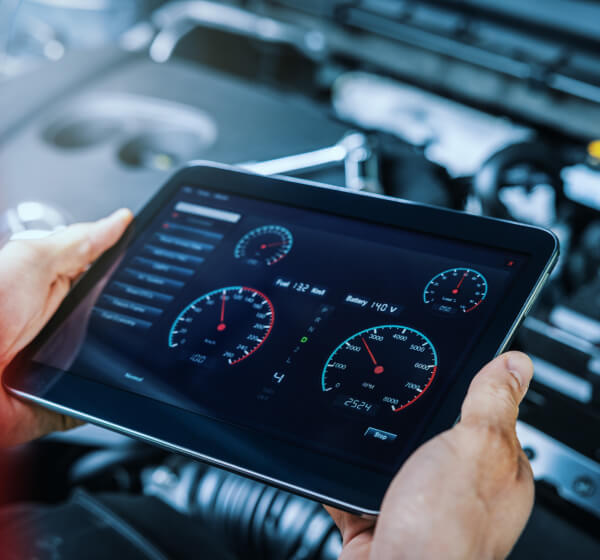
Integrate Advanced Car Wash Equipment: Investing in state-of-the-art equipment that prioritizes water and energy efficiency, minimizes chemical usage, and offers superior cleaning quality can significantly reduce operational costs and enhance customer satisfaction. Modern equipment often comes with sophisticated diagnostic capabilities, simplifying maintenance.
-
Robust Car Wash Business Plan: A detailed business plan is crucial. It should not only project financial outcomes but also comprehensively address operational strategies for cost management, staffing plans, customer service protocols, and detailed risk assessment for external factors.
-
Prioritize Staff Training and Retention: Comprehensive training programs that cover all aspects of operation, safety, and customer service are vital. Creating a positive work environment, offering competitive compensation, and providing opportunities for advancement can improve employee morale and reduce turnover.
-
Proactive Maintenance Schedule: Implement a rigorous preventative maintenance schedule for all equipment to minimize downtime, extend machinery lifespan, and ensure consistent service quality. Regular inspections, lubrication, and immediate repairs are key.
-
Customer-Centric Approach: Gather and act on customer feedback regularly. Implement loyalty programs, special offers, and subscription models to foster repeat business and enhance customer lifetime value. Acknowledge and resolve issues swiftly and effectively.
-
Stay Updated on Regulations and Trends: Continuously monitor changes in environmental regulations, permits, and zoning laws. Proactively adopt sustainable practices and innovative technologies to stay ahead of the curve and maintain a competitive advantage in an increasingly conscious market.
By meticulously managing operational costs, nurturing a skilled workforce, ensuring unwavering service quality, and remaining agile in the face of external pressures, automatic car wash services can navigate the inherent complexities of the industry. Mattias Car Wash Solutions, and similar forward-thinking businesses, demonstrate that by integrating advanced car wash equipment and a robust car wash business plan, steady revenue and long-term profitability are achievable, even when confronting the most significant challenges. Resilience and innovation are, indeed, the true detergents of success in this competitive sector.
Frequently Asked Questions (FAQs) for Automatic Car Wash Service Owners
-
What are the most common hidden costs when operating an automatic car wash?
Beyond apparent utility bills, hidden costs can include unexpected equipment repair expenses, higher-than-anticipated water and chemical disposal fees, the cost of employee turnover and retraining, and potential fines for non-compliance with environmental regulations. -
How can automatic car washes reduce their environmental impact and stay compliant with regulations?
They can implement advanced water recycling systems, use biodegradable cleaning solutions, invest in energy-efficient equipment (like LED lighting and variable-speed motors), manage wastewater discharge properly (e.g., connecting to sewage systems or using on-site treatment), and adhere to local, state, and federal environmental permits and zoning laws. -
What strategies are effective for hiring and retaining quality staff in an automatic car wash business?
Effective strategies include offering competitive wages and benefits, providing comprehensive training on equipment and customer service, fostering a positive work culture, clearly outlining growth opportunities, and potentially using external staffing solutions to manage fluctuating needs. -
How do automatic car wash operators ensure consistent cleaning quality to satisfy customers and avoid vehicle damage?
Consistency is achieved through regular preventative maintenance of all equipment (brushes, nozzles, conveyors), proper calibration of chemical dilution ratios and water pressure, consistent checks for clogged components, and adopting touchless wash technologies where feasible to minimize physical contact. Collecting and responding to customer feedback is also vital. -
How can an automatic car wash business mitigate the impact of adverse weather conditions on revenue?
Mitigation strategies include offering membership or subscription models to ensure steady revenue, diversifying services (e.g., detailing during slow periods), implementing targeted marketing campaigns during good weather or lulls, and having clear operational plans for different weather scenarios. -
What role does technology play in overcoming operational challenges in the automatic car wash industry?
Technology plays a crucial role by providing advanced water reclamation and energy-efficient equipment, precise chemical dosing systems, automated diagnostic tools for maintenance, integrated payment and loyalty program software, and sensor-based systems for optimal cleaning and damage prevention.