


In our increasingly fast-paced world, the convenience of an automatic car wash presents an attractive solution for maintaining vehicle aesthetics. Offering a quick and often affordable alternative to a laborious hand wash, these systems promise a gleaming finish with minimal effort from the driver. However, beneath the veneer of efficiency lies a complex interaction of machinery, chemicals, and pressure, prompting a crucial question for vehicle owners: Can the very act of convenience inadvertently compromise the integrity of their automobile?
While automatic car washes are designed to be efficient, a discerning understanding of their operational mechanics, potential risks, and best practices is essential for protecting your investment. This comprehensive guide will delve into the nuances of automatic car wash systems, highlighting potential damage scenarios, offering crucial preventative measures, and equipping you with the knowledge to make an informed decision for your vehicle’s care.
Deciphering the Systems: Brush vs. Touchless Automatic Car Washes
Before entrusting your vehicle to an automated system, a fundamental understanding of the two primary types of automatic car washes is paramount:
-
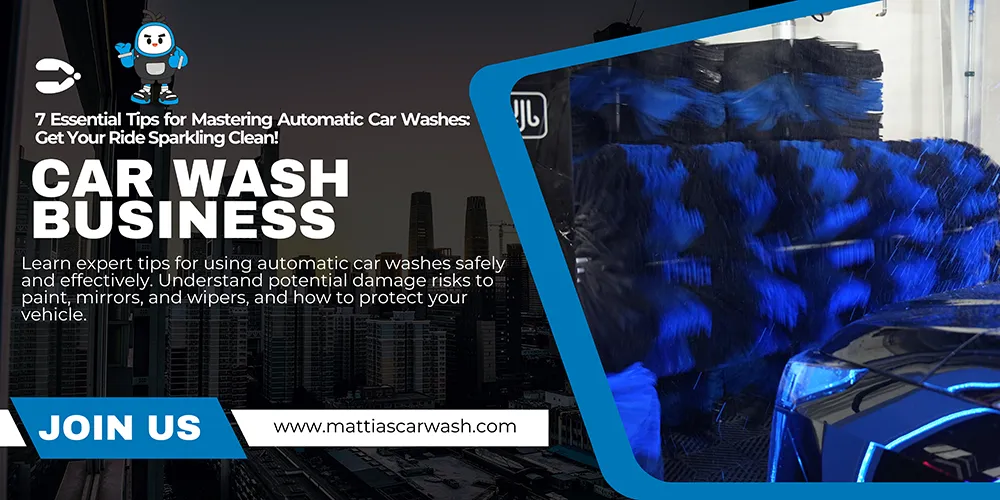
Friction (Brush) Car Washes: These systems utilize soft cloth brushes, foam fingers, or polyethylene strips that physically make contact with your vehicle’s surface. As your car moves through the bay (or remains stationary while the system moves around it), these brushes scrub away dirt and grime, often combined with water and cleaning solutions. While historically effective at deep cleaning, the friction from these materials, especially if poorly maintained or heavily used, can be a source of concern.
-
Touchless Car Washes: As the name suggests, touchless car wash systems aim to clean your vehicle without any physical contact from brushes or cloth. They rely heavily on high-pressure water jets and strong detergents to remove dirt. Often laser-guided for precision, these systems minimize the risk of mechanical damage, making them a generally safer option for preserving paint finishes. However, the trade-off is often a less aggressive cleaning action, meaning tougher grime or road film may not be completely removed. The aggressive detergents also raise questions about their long-term effect on clear coats and wax protection.
Understanding this distinction is the first step in assessing the suitability of a particular automatic car wash for your vehicle.
Unveiling the Risks: Potential Damages from Automatic Car Washes
While designed for efficiency, automatic car washes—particularly friction-based systems—harbor several potential risks to a vehicle’s exterior and sometimes even its functional components.
Car Paint Scratches and Damage
One of the most widely recognized concerns with automatic car washes, particularly those employing physical brushes, is the potential for paint damage. This issue stems from several factors:
-
Abrasive Brushes: Over time, the brushes in a friction car wash can accumulate grit and dirt from previous vehicles. When these contaminated brushes make contact with your car’s paintwork, they can act like sandpaper, introducing micro-scratches, swirl marks, and even deeper abrasions. These imperfections may not be immediately obvious but can accumulate over multiple washes, dulling the paint’s luster and compromising the clear coat.
-
Worn Materials: Brushes that are old, hardened, or improperly maintained lose their softness and become more aggressive, increasing the risk of damage.
-
Chemical Residue: While less about scratches, harsh or improperly diluted chemicals used in some systems can strip away wax protection, leave water spots, or, in extreme cases, damage the clear coat over prolonged use.
While brush systems often deliver a more thorough clean, the risk of paint degradation makes touchless alternatives generally preferable for paint preservation, even if it means a less pristine finish for heavily soiled vehicles.
Alignment Issues on Conveyor Systems
Many automatic tunnel car washes utilize a conveyor belt or guide rail system that pulls your vehicle through the wash cycle. Misaligning your car when driving it onto this system can instigate a series of problems:
-
Tire and Wheel Damage: Incorrectly positioned wheels can rub against the guide rails, potentially causing scrapes or damage to the sidewalls of tires or the finish of your rims. In rare but serious cases, a significant misalignment could lead to bent suspension components if a wheel catches incorrectly.
-
Steering Misalignment: Repeated exposure to misalignment or abrupt forces on the conveyor can potentially impact the vehicle’s alignment over time, leading to premature tire wear or a need for costly professional alignment services.
-
Car Wash Equipment Issues: If your vehicle isn’t correctly placed, it can also stress or damage the car wash’s conveyor mechanism, leading to operational delays or breakdowns.
Ensuring your vehicle is perfectly aligned and slowly guided onto the conveyor is a critical, yet often overlooked, pre-wash step.
Broken or Damaged Side Mirrors
The projecting nature of side mirrors makes them particularly vulnerable in an automatic car wash, especially in tunnel systems where various cleaning apparatuses move around or along the vehicle. Forgetting to fold your side mirrors before entry significantly increases their risk of being struck and damaged by brushes, drying mechanisms, or even structural elements within the wash bay. Modern vehicles with auto-folding mirrors still require confirmation that they have retracted properly before entry. The cost of replacing a sophisticated side mirror, often integrated with heating, blind-spot monitoring, or cameras, can be substantial.
Bent or Broken Windshield Wipers
Similar to side mirrors, windshield wipers are susceptible to damage if they are active or protrude from the windshield surface during an automatic wash. The forceful movement of brushes or high-pressure water jets can easily bend or break wiper arms and tear rubber blades. Although most drivers would intuitively turn off wipers, an accidental activation (perhaps due to light rain) or forgetting they were set to an intermittent mode can lead to this type of damage. Always ensure wipers are in the “off” position and not set to an automatic sensor mode.
Damage to Rims and Wheels
Beyond the potential for misalignment issues on the conveyor, the cleaning mechanisms themselves can pose a threat to wheels and rims. The robust brushes, designed to dislodge stubborn brake dust and road grime, can be strong enough to dislodge or damage plastic wheel covers, and scratch or chip painted or clear-coated alloy rims. This risk is amplified for softer alloy wheels or those with intricate designs that may have tighter tolerances. Owners of custom or aftermarket wheels should be particularly cautious.
Windshield Damage or Cracks
While direct damage to a perfectly intact windshield from an automatic car wash is rare, the dynamic environment of intense pressure, water jets, temperature fluctuations, and sometimes even localized impacts (e.g., from drying air nozzles) can exacerbate pre-existing vulnerabilities. A small chip, ding, or hairline crack, barely noticeable prior to the wash, can propagate rapidly under these conditions, turning into a more significant, highly visible crack that necessitates costly replacement. Inspecting your windshield for such precursor damage before entering an automatic wash is therefore a crucial preventative measure.
Limitations in Interior Car Cleaning
It’s important to manage expectations regarding the scope of automatic car wash services. While exterior cleaning is their primary function, automatic systems inherently do not provide interior detailing. For a thorough interior cleaning—which involves vacuuming, dusting, wiping down surfaces, and deep cleaning upholstery or carpets—you must seek out specialized detailing services, often offered by professional detailers. An automatic wash will not address the grime, debris, or odors accumulated within the cabin of your vehicle.
Your Due Diligence: What to Know Before and After the Wash
Exercising vigilance before and after using an automatic car wash can significantly mitigate the risk of damage.
Before Using an Automatic Car Wash: Pre-Wash Checks
-
Assess Vehicle Condition: Perform a quick visual inspection of your vehicle’s exterior. Note any pre-existing damage, loose trim, chipped paint, or small cracks in the windshield. This establishes a baseline.
-
Fold Side Mirrors: Manually fold in your side mirrors, even if your vehicle has an automatic folding function. This is a simple, highly effective preventative step.
-
Turn Off Wipers: Ensure your windshield wipers are completely off and not in an automatic or intermittent setting.
-
Remove Antennas/Roof Racks: If possible, remove any detachable roof racks, bike carriers, or flexible antennas that could be caught or damaged by the machinery. Rigid, non-removable antennas usually fare well, but flexibility is key.
-
Close Windows/Sunroof: Double-check that all windows, moonroofs, and sunroofs are completely closed to prevent water ingress.
-
Secure Loose Items: Remove or securely fasten any magnetic signs, temporary vehicle add-ons, or objects attached to the vehicle exterior that could be dislodged.
-
Follow Instructions: Pay close attention to any verbal instructions, signage, or illuminated signals from the car wash attendants or automated system, particularly regarding entry and alignment. Drive slowly and deliberately onto the conveyor or into the bay.
After the Automatic Car Wash: Immediate Inspection and Action
-
Thorough Post-Wash Inspection: As soon as your vehicle exits the wash bay, and ideally before driving away from the premises, conduct a detailed inspection of your entire vehicle. Look closely at the paintwork for new scratches, swirl marks, or chips. Examine mirrors, wipers, antennas, wheels, and trim. Don’t rush this step.
-
Document Any Damage: If you discover any new damage, take clear, date-stamped photographs or video immediately. These visuals are critical evidence.
-
Inform Management Promptly: Immediately bring the damage to the attention of the car wash manager or attendant. Do not leave the site without reporting it.
-
Understand Liability:
-
Car Wash Liability: An automatic car wash may be deemed liable for damage if it can be proven that the damage resulted from faulty equipment, improper maintenance, or the failure to follow established safety standards.
-
Driver Liability: Conversely, if the damage occurred because you, the driver, failed to follow clear instructions (e.g., forgetting to fold mirrors or turn off wipers), liability may fall to you.
-
-
Insurance Coverage: In some instances, your personal comprehensive or collision insurance coverage may cover car wash damage. However, whether automatic car wash damage is covered depends entirely on your specific policy and the documented circumstances. It’s crucial to consult your insurance provider for clarification. Be aware that most car wash establishments will almost certainly deny claims if damage is reported days later due to the impossibility of proving where and when the damage occurred.
Weighing the Options: Hand Washing vs. Automatic
For most motorists, the primary decision often boils down to balancing convenience against risk and results:
-
Hand Washing by a Professional Detailer: This remains the gold standard for car care. A professional detailer employs specialized tools, gentle cleaning agents, and meticulous techniques, often tailoring the wash to your vehicle’s specific needs. The proof is invariably in the superior results: a pristine, streak-free finish, with significantly reduced risk of paint damage. While it demands a higher cost and longer wait time, the protection and aesthetic preservation it offers are unmatched.
-
Hand Washing by Yourself: While cost-effective, a DIY hand wash still requires proper technique, quality products, and attention to detail to avoid inadvertently causing scratches.
-
Automatic Car Wash: The unparalleled convenience and speed of automatic washes make them a popular choice for routine dirt removal. However, for vehicles with delicate finishes, custom components, or simply those whose owners prioritize absolute paint integrity, the risks associated with brush systems can be a deterrent. Touchless options present a compromise, offering a safer approach to exterior cleaning but with limitations in thoroughly tackling stubborn grime.
Conclusion: Making an Informed Choice for Your Vehicle
While the lure of a quick, automated car wash is undeniable, making an informed decision about vehicle care goes beyond mere convenience. Understanding the distinct operational methodologies of brush versus touchless systems, acknowledging the array of potential damage points, and adhering to strict pre- and post-wash protocols are essential for minimizing risks. For owners who place a premium on pristine paintwork and maximum vehicle longevity, a professional hand wash remains the optimal choice. However, when selecting an automatic service, prioritizing touchless options and consistently conducting thorough inspections can help safeguard your investment. Ultimately, responsible car ownership involves making a conscious decision that balances efficiency with the imperative of protecting your vehicle’s enduring appeal and value.
Frequently Asked Questions (FAQs) for Using Automatic Car Washes
-
Is an automatic touchless car wash always safer than a brush (friction) car wash?
Generally, yes. Touchless car washes eliminate direct physical contact with brushes, significantly reducing the risk of micro-scratches, swirl marks, or other abrasions to your vehicle’s paintwork. They rely on high-pressure water and strong detergents instead of friction. However, this means they may not clean as thoroughly as a friction wash for heavily soiled vehicles, and the harsh chemicals used could, over time, affect wax or sealant protection. -
What types of damage are most common in automatic car washes, and how can I prevent them?
Common damage includes paint scratches/swirls (from friction brushes), broken side mirrors, bent windshield wipers, and damage to wheel covers or rims. To prevent these, always fold in your side mirrors, ensure wipers are off, remove any loose antennas/attachments, drive onto the conveyor slowly and carefully, and visually inspect your vehicle for loose trim before entry. -
Will my car insurance cover damage caused by an automatic car wash?
Possibly. Whether automatic car wash damage is covered depends on your specific comprehensive or collision insurance policy and the circumstances of the incident. It’s best to consult your insurance provider directly. However, claims can be challenging if not reported immediately, as it’s difficult to prove where and when the damage occurred. -
What should I do if I notice damage to my car after an automatic car wash?
If you discover any damage, immediately document it with clear photos or video, ideally before moving your vehicle from the car wash premises. Then, promptly inform the car wash manager or attendant about the damage. Do not leave the site without reporting it, as delayed reporting makes it highly improbable to claim responsibility from the car wash. -
How can I protect my vehicle’s paint from potential damage when using an automatic car wash?
Prioritize touchless car washes to minimize physical abrasion. If using a friction wash, look for facilities that advertise regular brush maintenance and use soft cloth materials. Maintaining a high-quality wax or ceramic coating on your vehicle’s paint provides an additional layer of protection against minor abrasions and harsh chemicals. Regular inspections are also crucial. -
Are automatic car washes effective for cleaning my car’s interior?
No, automatic car washes are designed exclusively for exterior cleaning. They do not offer interior cleaning services such as vacuuming, dusting, wiping surfaces, or deep cleaning upholstery. For a thorough interior clean, you would need to visit a professional detailing service or perform a hand wash and interior detailing yourself.