










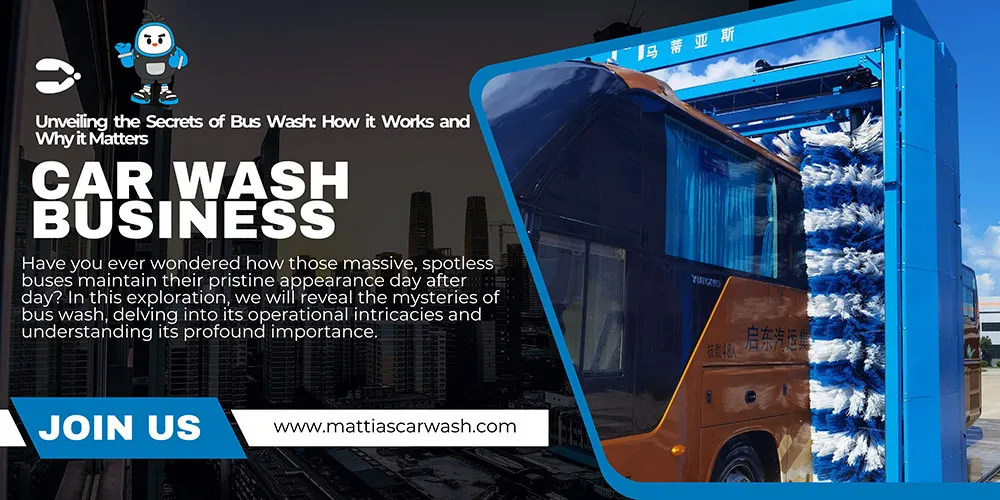

In the rhythm of our metropolitan existence, we rarely pause to consider the sophisticated mechanisms that ensure our urban transit systems operate seamlessly. One such mechanism is the frequently underestimated yet essential practice of bus wash. Have you ever wondered how those massive, spotless buses maintain their pristine appearance day after day? In this exploration, we will reveal the mysteries of bus wash, delving into its operational intricacies and understanding its profound importance.
Maintaining pristine buses transcends mere visual appeal; it serves as a cornerstone in preserving the operational integrity and extended lifespan of these vehicles. Systematic bus washes eliminate accumulated debris, environmental pollutants, and corrosive materials, safeguarding the bus’s exterior surfaces and critical mechanical systems. Furthermore, an immaculate bus cultivates a favorable perception of public transit, elevating passenger confidence and drawing additional commuters to sustainable transportation options.
But what exactly unfolds during the bus wash procedure? From initial rinse cycles to intensive pressure cleaning and streak-free drying protocols, every phase is meticulously designed to eliminate contaminants and achieve an unblemished result. Through eco-conscious methodologies and cutting-edge technological innovations, contemporary bus wash systems deliver both operational excellence and environmental responsibility.
Come with us as we explore the realm of bus wash, decoding its complexities and recognizing why this apparently routine operation carries tremendous importance in maintaining our urban transportation networks.
The Critical Role of Bus Wash
Maintaining pristine buses transcends mere visual appeal; it serves as a cornerstone in preserving the operational integrity and extended lifespan of these vehicles. Systematic bus washes eliminate accumulated debris, environmental pollutants, and corrosive materials, safeguarding the bus’s exterior surfaces and critical mechanical systems. Furthermore, an immaculate bus cultivates a favorable perception of public transit, elevating passenger confidence and drawing additional commuters to sustainable transportation options.
Bus washes extend beyond surface cleaning to encompass the creation of hygienic and comfortable passenger environments. Sanitized buses significantly reduce the presence of harmful microorganisms and allergens, fostering healthier and more pleasant travel experiences. Additionally, meticulously maintained buses with pristine appearances establish credibility and dependability among the public, which remains fundamental for thriving public transportation networks.
Categories of Bus Wash Systems
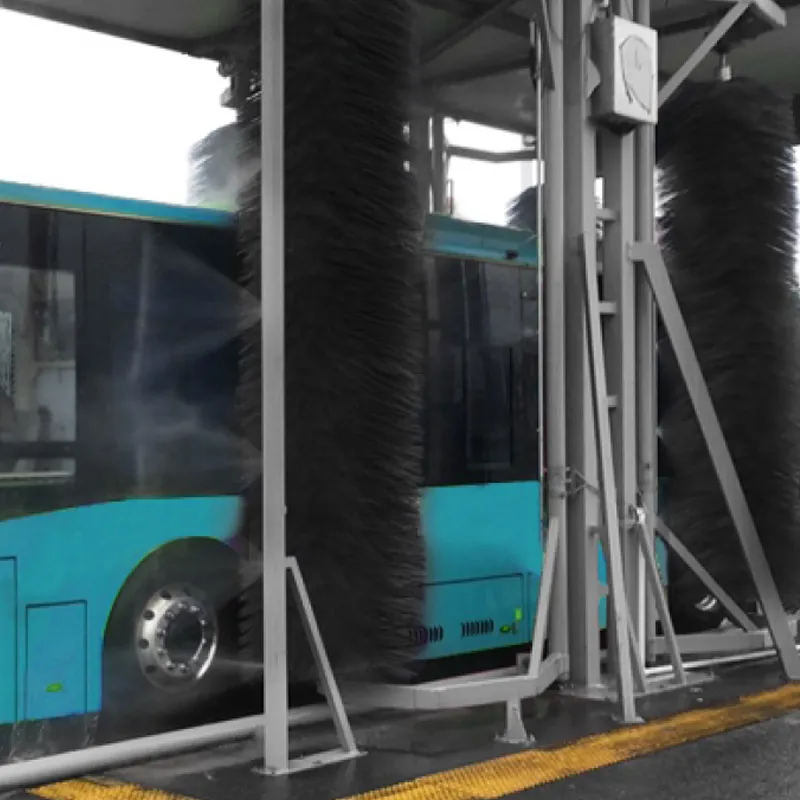
Today’s market offers diverse bus wash systems, each presenting unique benefits and capabilities. Touchless bus systems utilize high-velocity water streams and specialized detergents to eliminate contamination without physical contact with the vehicle. Friction-based systems, conversely, implement rotating brushes and gentle materials to thoroughly scrub the bus’s surfaces.
Automatic bus wash systems are gaining widespread adoption due to their operational efficiency and user convenience. These systems leverage sophisticated technology and precision sensors to dynamically customize the cleaning process according to each bus’s dimensions and configuration. Manual bus wash systems, while less prevalent currently, involve hand-cleaning procedures and demand considerably more time and labor investment.
Understanding Bus Wash System Operations
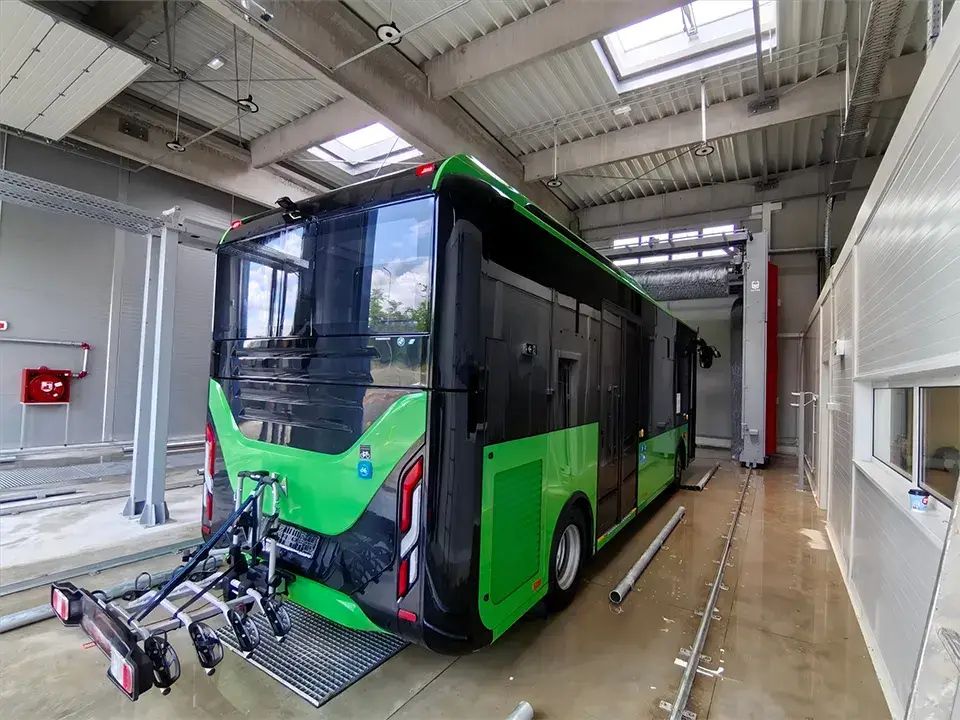
The bus wash procedure encompasses multiple phases, each strategically designed to effectively eliminate contamination and achieve flawless results. The process typically commences with a preliminary rinse, during which water is distributed across the bus to dislodge and remove surface debris and particles. This initial step proves essential in preparing the exterior for comprehensive cleaning.
Following the preliminary rinse, the bus advances into the primary washing zone, where high-pressure water systems or mechanical brushes perform thorough exterior cleaning. These systems are engineered to access every section of the bus, including rooftop areas and undercarriage components, ensuring complete coverage. Specialized detergents and cleaning formulations are frequently employed to assist in removing persistent dirt and staining.
Upon completion of thorough cleaning, a spot-free rinse procedure is conducted to eliminate any remaining residue and guarantee a streak-free appearance. This phase proves crucial in achieving a polished and professional finish. Finally, the bus proceeds to the drying stage, where powerful air circulation systems or specialized dryers remove excess moisture, leaving the bus completely dry and prepared for subsequent service.
Advantages of Consistent Bus Wash
Consistent bus washes provide extensive benefits for both the vehicles and the comprehensive public transportation infrastructure. Primarily, they assist in prolonging bus operational life by preventing corrosion and deterioration caused by accumulated dirt, grime, and harmful substances. Through regular elimination of these elements, the bus’s exterior and essential components receive protection, resulting in reduced maintenance requirements and expensive repairs.
Additionally, consistent bus washes contribute to the overall sanitation and hygiene standards of public transportation systems. Clean buses establish pleasant and comfortable environments for passengers, improving their travel experience and satisfaction levels. This, consequently, motivates increased public transportation usage, reducing traffic congestion and environmental pollution on roadways.
Moreover, maintaining a clean bus fleet enhances public perception of the transportation infrastructure. It demonstrates professionalism, reliability, and meticulous attention to detail. Passengers develop greater trust and confidence in transportation systems that prioritize cleanliness and proper maintenance.
Environmental Considerations of Bus Wash
In our current environmentally aware society, evaluating the ecological implications of any process, including bus wash operations, remains crucial. Fortunately, modern bus wash systems have achieved remarkable progress regarding sustainability and environmental compatibility. Many systems now integrate water recycling and filtration technologies, reducing water consumption and minimizing waste production.
Furthermore, bus wash operators increasingly embrace biodegradable and environmentally friendly detergents and cleaning solutions. These products are developed to effectively remove dirt and grime while minimizing environmental harm. By implementing these eco-conscious practices, bus wash systems contribute to a cleaner and more sustainable future.
Optimal Practices for Bus Wash Maintenance
To ensure maximum performance and longevity of bus wash systems, consistent maintenance remains essential. Operators should follow manufacturer guidelines and recommendations regarding cleaning schedules, filter replacements, and equipment inspections. Regular cleaning and maintenance not only extend the bus wash system’s lifespan but also help maintain its efficiency and effectiveness.
Training and educating bus wash operators on proper techniques and procedures is equally important. This includes understanding various settings and options available on the bus wash system, as well as troubleshooting common issues. By investing in appropriate training and maintenance, bus wash operators can ensure consistent and high-quality cleaning for every vehicle.
Selecting the Appropriate Bus Wash System
When choosing a bus wash system, important considerations include fleet size, bus types being cleaned, and available space. Touchless systems are perfect for delicate surfaces and vehicles with complex designs, while friction systems provide more thorough cleaning for heavily soiled buses. Automatic systems are recommended for large fleets with high wash volumes, as they offer efficiency and convenience.
Additionally, selecting a bus wash system that aligns with sustainability objectives remains crucial. Look for systems that incorporate water recycling and filtration technologies, along with eco-friendly cleaning solutions. Consider the long-term costs and benefits of each system, including maintenance requirements and energy consumption.
Bus Wash Services and Providers
For those preferring to outsource their bus wash requirements, numerous specialized services and providers are available. These expert companies offer professional bus cleaning services, utilizing their expertise and advanced equipment to ensure thorough and efficient cleaning. Outsourcing bus wash can be cost-effective, particularly for smaller fleets or organizations without dedicated on-site facilities.
When selecting a bus wash service or provider, consider their experience, reputation, and range of services offered. Look for providers with proven track records of delivering high-quality results and maintaining excellent customer satisfaction. Consider reading reviews and seeking recommendations from other bus operators to make informed decisions.
Conclusion
In conclusion, the process of bus washing may appear routine, but it carries tremendous significance in maintaining our urban transportation networks. Bus wash not only preserves the functionality and longevity of buses but also promotes a positive image for public transportation. It contributes to passenger satisfaction, attracts new riders, and reduces the environmental impact of transportation systems.
By understanding the secrets of bus wash, including the various system types available, the processes involved, and the benefits it provides, we can appreciate the importance of this frequently overlooked task. Whether outsourcing to professional services or investing in on-site bus wash systems, prioritizing regular cleaning and maintenance remains essential for reliable and efficient public transportation systems.
So the next time you observe a gleaming bus on the street, remember the secrets behind its cleanliness and the vital role of bus wash in keeping our cities moving smoothly forward.