


The allure of the car wash industry is strong, promising robust returns as demand for convenient and efficient vehicle cleaning continues to grow. However, transitioning from a promising concept to a thriving operational business is a path fraught with potential missteps. Construction of a new car wash represents a substantial investment of time, capital, and effort. Based on invaluable insights from industry experts, entrepreneurs must be acutely aware of common pitfalls that can derail a project before it even gets off the ground or significantly impede its long-term success. Avoiding these critical errors is not merely about saving money; it’s about establishing a resilient foundation for sustainable profitability.
Here, we delineate the top mistakes frequently encountered during new car wash construction, offering strategic guidance on how to navigate and circumvent them effectively.
1. Underestimating Comprehensive Costs
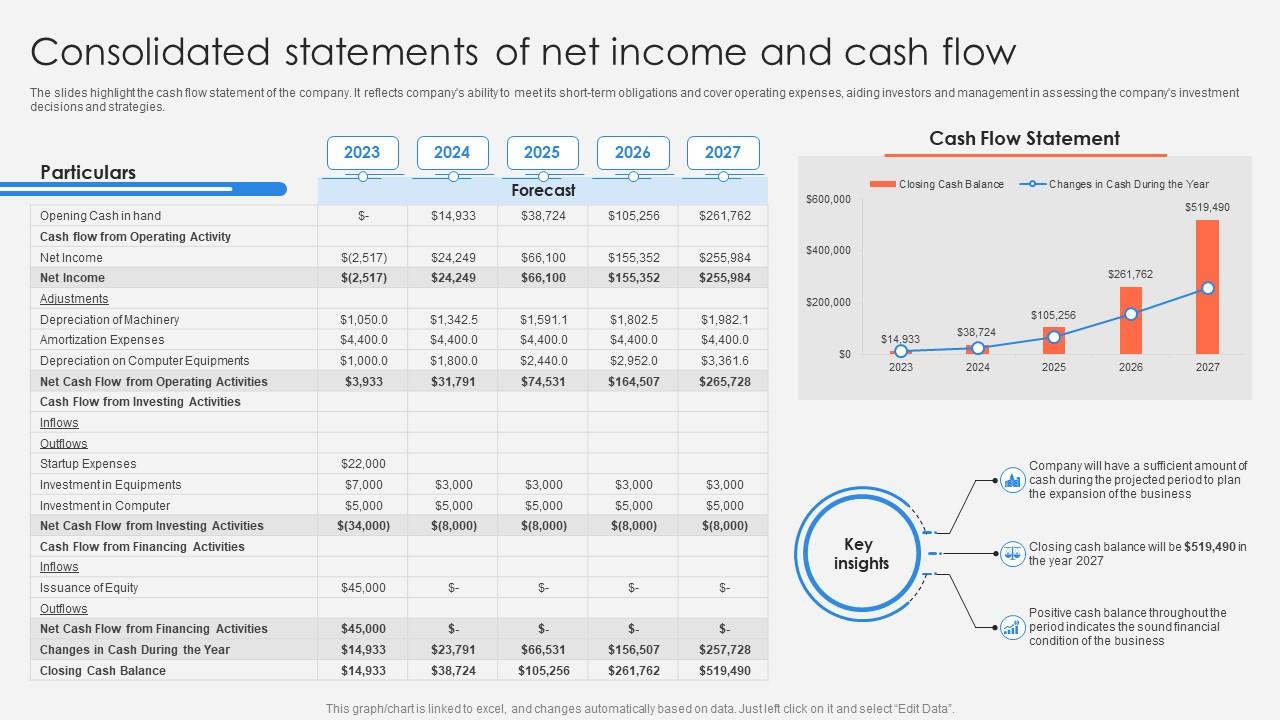
One of the most insidious errors for aspiring car wash owners is failing to develop a truly exhaustive financial model that accounts for all potential expenses. The initial appeal of seemingly straightforward land and equipment costs often overshadows a multitude of less obvious, yet substantial, expenditures. Overlooking these hidden or peripheral costs can swiftly push a project over budget, creating severe financial strain and, in worst-case scenarios, leading to project abandonment.
Why this is a mistake: A superficial budget invariably leads to underfunding. When unexpected costs arise (and they invariably do), lacking sufficient reserves forces difficult choices: cutting corners, taking on more debt at unfavorable terms, or halting progress entirely.
How to avoid it:
-
Detailed Feasibility Study: Before any commitment, conduct an exhaustive feasibility study. This should include granular breakdowns of every potential cost.
-
Permitting and Zoning Fees: These vary wildly by jurisdiction (local, county, state). Research specific fees for building permits, environmental impact assessments, signage permits, occupancy permits, and various licenses required to operate. These are not trivial and can amount to tens of thousands of dollars, or even hundreds of thousands for complex projects in highly regulated areas.
-
Utility Connection Costs: Connecting water, sewer, electricity, natural gas, and sometimes internet can be significantly more expensive for a commercial build, especially if the site is undeveloped or far from existing infrastructure. Factor in hook-up fees, trenching, conduit installation, and any mandated utility upgrades. Estimates suggest significant costs, with electrical and plumbing work alone often costing $90,000 to $150,000.
-
Extensive Site Work: Raw land is rarely ready for construction. Budget for land clearing, grading, soil testing, excavation, drainage systems, stormwater retention ponds (often mandated by environmental regulations), paving driveways and parking lots, landscaping, and exterior lighting. These can represent a massive portion of the budget.
-
Environmental Assessments and Compliance: Many regions require environmental impact reports, especially concerning water usage, runoff, and chemical disposal. Compliance measures can include specific drainage designs, water recycling systems, and waste treatment infrastructure, adding layers of cost.
-
Professional Fees: Beyond construction, remember the experts who bring the vision to life. This includes architectural fees, civil engineering fees, legal counsel for land acquisition and contracts, environmental consultants, and car wash specific design consultants. These fees are a necessary investment to ensure the project meets regulatory standards and operates efficiently.
-
Contingency Budget: Industry best practice recommends allocating 10-20% of the total project cost as a contingency. This reserve acts as a crucial buffer for unforeseen circumstances, material cost fluctuations, or construction delays that inevitably arise.
2. Choosing the Wrong Location
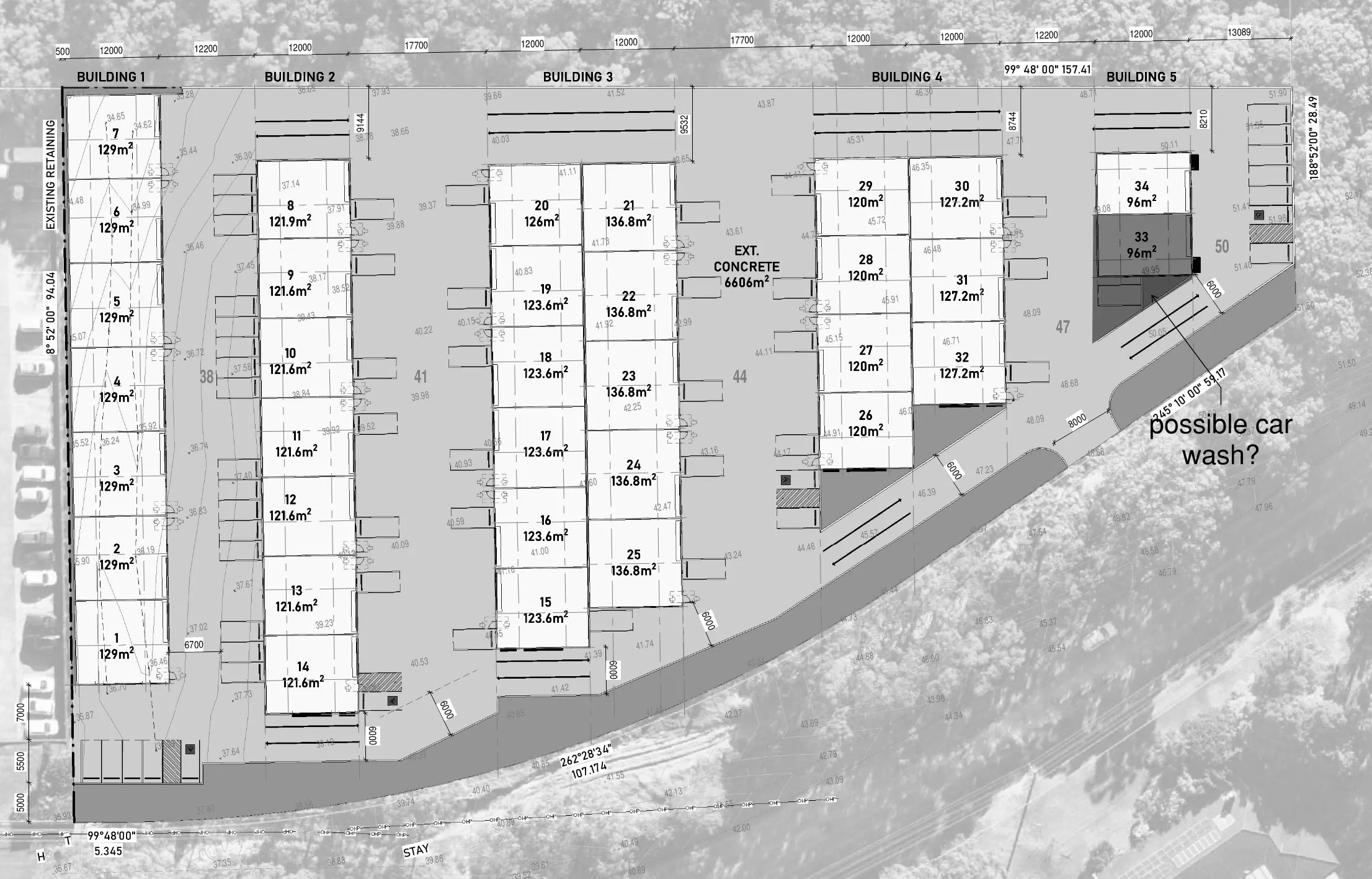
Location, location, location. While this mantra is echoed across all retail businesses, its resonance in the car wash sector is particularly profound. The temptation to acquire affordable land often clouds judgment regarding its suitability. A suboptimal location can be a fatal flaw, regardless of how superior your equipment or service might be.
Why this is a mistake: A car wash relies heavily on drive-by traffic and convenience. A site that is difficult to spot, hard to access, or inconvenient for the target demographic will struggle to attract and retain the volume of customers necessary for profitability.
How to avoid it:
-
Visibility and Accessibility: The ideal location offers high visibility from busy roadways, prominent signage potential, and critically, easy ingress and egress. Customers should be able to turn in and out safely and efficiently, without complex maneuvers or fighting traffic. Traffic patterns and road design play a huge role here.
-
Traffic Volume and Quality: It’s not just about raw car count; it’s about the right car count. Analyze traffic data for peak times, weekend vs. weekday patterns, and crucially, the demographics of drivers passing by. Are they your target customers (e.g., commuters, families, commercial fleets)? Consider proximity to dense residential areas, office parks, shopping centers, and gas stations where cars naturally congregate. Land costs alone can range from $500,000 to $2,000,000 or more, depending on these crucial factors.
-
Competitive Landscape: Understand the existing car wash ecosystem. Are there strong competitors nearby? What types of washes do they offer? What are their pricing strategies and customer service levels? Identify gaps in the market or opportunities to differentiate. Don’t build directly next to a superior, established competitor unless you have a truly compelling differentiator.
-
Local Zoning and Regulations: Prioritize thorough research into local zoning ordinances. Ensure the chosen plot is zoned for a car wash operation and understand any specific requirements regarding noise, operating hours, water usage, chemical storage, and signage. Zoning non-compliance can halt a project entirely or force expensive modifications.
-
Future Development Plans: Investigate municipal or private development plans for the surrounding area. Upcoming road changes, new housing developments, or commercial complexes could significantly impact future traffic patterns – for better or worse.
-
Professional Site Selection Analysis: Engage a consultant specializing in car wash site selection. They utilize sophisticated data analysis, demographic profiling, and traffic studies to identify the highest potential locations, balancing acquisition costs with projected revenue.
3. Cutting Corners on Equipment Quality
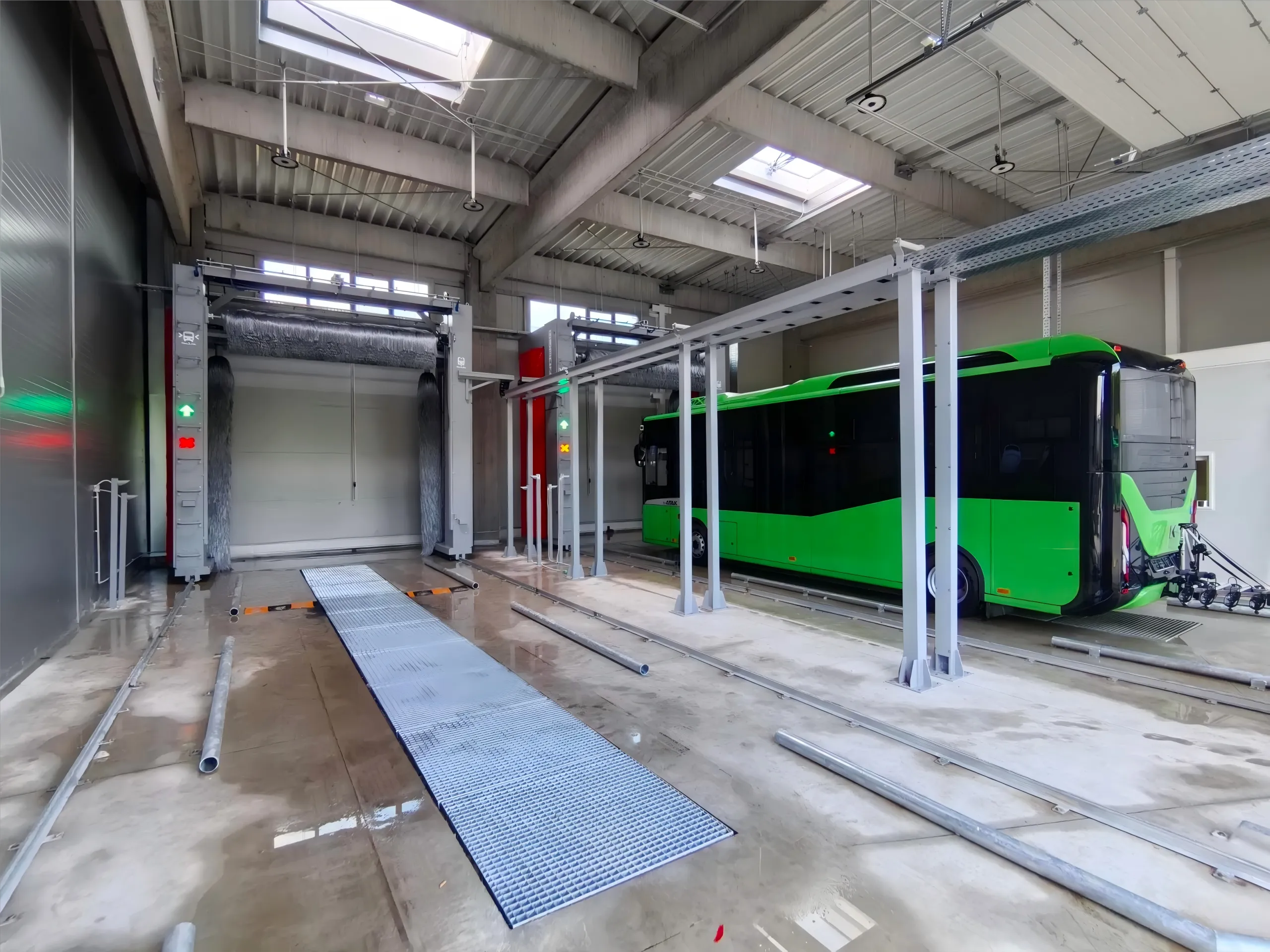
In the desire to manage initial capital outlays, some entrepreneurs unfortunately opt for the cheapest equipment options or neglect vital supporting infrastructure. While tempting to save money upfront, this strategy invariably leads to higher operational costs, frequent breakdowns, increased downtime, and a poor customer experience, ultimately eroding profitability and brand reputation.
Why this is a mistake: Inferior equipment translates to an inferior wash, constant maintenance issues, higher utility consumption, and diminished customer satisfaction. Customers want a consistently clean, reliable, and swift service. If your equipment frequently malfunctions or delivers substandard results, they will quickly take their business elsewhere.
How to avoid it:
-
Invest in Quality Car Wash Systems: Whether it’s a touchless automatic car wash, soft-touch tunnel car wash, or self-serve bays car wash, prioritize robust, reliable machinery from reputable manufacturers. High-quality systems use less water, chemicals, and energy per wash, offering significant long-term savings on operating costs.
-
Automatic Car Wash: State-of-the-art equipment ensures a thorough, quick, and high-quality cleaning, leading to high efficiency and customer appeal.
-
Full-Service Hand Car Wash: While labor-intensive, investing in quality tools (pressure washers, vacuums, detailing supplies) maintains high standards of detailed and personalized cleaning.
-
-
Drying Systems: Effective drying is paramount for customer satisfaction. Poor drying often leads to customer complaints. Invest in powerful, energy-efficient blowers to ensure a spot-free finish.
-
Water Treatment and Reclamation: Essential for both environmental stewardship and cost-efficiency. High-quality water recycling systems significantly reduce water consumption, lower utility bills, and ensure compliance with environmental regulations. This equipment can reduce freshwater consumption by up to 80%.
-
Vacuum Systems and Amenities: These seemingly small additions greatly enhance the customer experience. Invest in strong, well-maintained vacuum systems and other amenities like mat cleaners or air fresheners.
-
Payment Systems: Ensure your payment kiosks and systems are modern, secure, user-friendly, and capable of handling various payment methods, including credit cards, mobile payments, and loyalty programs.
-
Dedicated Maintenance Bays/Facilities: Neglecting to budget for a proper area where routine maintenance and minor repairs can be performed on equipment is a significant oversight. This space ensures technicians can work efficiently, reducing downtime and prolonging equipment lifespan.
-
Manufacturer Reputation and Service Agreements: Partner with equipment suppliers known for reliability, excellent customer support, comprehensive warranties, and readily available spare parts. Invest in a solid maintenance service agreement to minimize unexpected breakdowns and extend the life of your machinery.
-
Safety Systems: Install necessary safety systems and technology to ensure smooth operations and enhance customer satisfaction and security.
4. Insufficient Working Capital
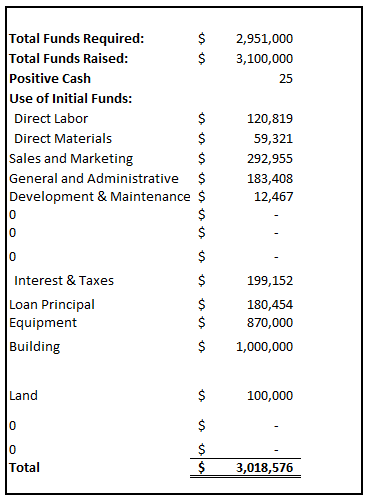
A robust business plan isn’t just about startup costs; it’s critically about ensuring adequate liquidity for the operational runway, especially during the pre-opening and early ramp-up phases. Many new businesses, including car washes, falter not due to lack of a good idea, but due to insufficient working capital to bridge the gap between opening day and achieving consistent profitability.
Why this is a mistake: A new business needs time to build a customer base and reach economies of scale. Without enough working capital, even minor delays, seasonal slowdowns, or unexpected operational costs can quickly deplete cash reserves, leading to missed payments, inability to cover operating expenses, or premature closure.
How to avoid it:
-
Comprehensive Cash Flow Projections: Develop a detailed financial model that projects cash inflows and outflows for at least the first 12-24 months of operation. Be conservative with revenue estimates and liberal with expense forecasts.
-
Pre-Opening Expenses: Account for all costs before the first car is washed. This includes final utility hook-ups, initial marketing and advertising campaigns, staff recruitment and training (labor is a significant ongoing cost), initial chemical and supply purchases, and business insurance premiums.
-
Operational Burn Rate: Calculate your average monthly operating expenses (utilities, labor, chemicals, supplies, debt service, maintenance). Ensure you have at least 6-12 months of these expenses in reserve to cover periods before the business hits consistent profitability. This also buffers against seasonal fluctuations where revenue might drop.
-
Marketing and Promotion Budget: Allocate dedicated funds for ongoing advertising and promotional efforts to attract new customers and build brand awareness from day one. This includes online advertising, signage, loyalty programs, and local partnerships.
-
Contingency for Operations: Beyond the construction contingency, have a separate reserve for operational contingencies—unexpected repairs, an aggressive competitor entering the market, or a sudden spike in utility costs.
-
Securing Appropriate Financing: While equity is ideal, ensure any debt financing includes sufficient working capital lines of credit or initial reserves to support the business during its nascent stages.
5. Lack of Experienced Guidance and Expertise
Embarking on a new car wash construction project without leveraging the wisdom of industry veterans and specialized professionals is perhaps the most direct route to costly errors, delays, and sub-optimal outcomes. The temptation to manage everything oneself, driven by a desire to save on consultancy fees, often leads to far greater expenses in the long run.
Why this is a mistake: Car wash construction and operation are niche fields with unique challenges related to water management, chemical handling, electrical demands, traffic flow, and environmental compliance. A lack of specialized knowledge often results in inefficient designs, equipment choices that are not suited to the local climate or customer base, regulatory non-compliance, construction errors, and ultimately, a less profitable or even failing business.
How to avoid it:
-
Car Wash Consultants: These professionals possess deep industry knowledge. They can advise on site selection, equipment choices, financial modeling, operational best practices, and marketing strategies specific to car washes. Their insights can be invaluable in avoiding common pitfalls and optimizing efficiency.
-
Specialized Architects and Engineers: Work with architects who have specific experience designing car washes. They understand optimal traffic flow, equipment integration, drainage requirements, and building materials resistant to water and chemicals. Civil engineers will be critical for site work, drainage, and utility planning.
-
Experienced Contractors: Choose a general contractor with a proven track record in commercial construction, and ideally, specific experience with car wash facilities. They understand the unique plumbing, electrical, and concrete requirements, as well as the need for materials that withstand constant moisture and chemical exposure.
-
Legal Counsel: Engage a lawyer specializing in real estate, business formation, and environmental law. They are crucial for navigating land acquisition agreements, zoning approvals, permits, contracts with suppliers and contractors, and ensuring compliance with all local and federal regulations.
-
Financial Advisors/Accountants: A knowledgeable accountant can help develop a robust business plan, create accurate financial projections, assist with securing financing, and establish efficient bookkeeping and tax strategies.
-
Learning from Others: While professional help is paramount, don’t shy away from visiting successful car washes, speaking with owners, and attending industry trade shows to gather information and build a network.
Conclusion: Paving the Way for Car Wash Success
Building a new car wash is a significant undertaking with the potential for substantial financial reward. However, its profitability is intrinsically linked to meticulous planning and astute execution. The difference between a thriving enterprise and a struggling venture often lies in proactively identifying and mitigating the common pitfalls discussed: accurately forecasting costs, selecting an optimal location, investing wisely in quality equipment, securing adequate working capital, and most crucially, assembling a team of experienced professionals. By embracing thorough research, collaboration with experts, and a financially disciplined approach, entrepreneurs can lay a robust groundwork for a highly efficient, customer-satisfying, and ultimately, profoundly profitable car wash business.
Frequently Asked Questions (FAQs)
1. What is the single most critical factor to ensure a car wash project stays within budget?
The single most critical factor is a comprehensive, meticulously detailed budget that includes a substantial contingency fund (10-20%) for unforeseen expenses, from hidden utility costs to construction delays and permit fees.
2. How crucial is site traffic for a car wash, beyond just high vehicle counts?
Site traffic is extremely crucial; it’s not just about quantity but quality. The traffic must consist of your target demographic who are likely to utilize your service, and the site must offer excellent visibility and easy ingress/egress to maximize conversions from passing vehicles.
3. Why should I invest more in high-quality car wash equipment if cheaper alternatives are available?
Investing in high-quality equipment minimizes operational downtime, reduces long-term maintenance costs, lowers utility consumption (water, energy, chemicals), and consistently delivers a superior customer experience, which are all vital for repeat business and profitability.
4. How much working capital is typically recommended for a new car wash?
It is generally recommended to have sufficient working capital to cover 6-12 months of operational expenses (utilities, labor, chemicals, maintenance, debt service) after construction costs, to navigate the pre-opening phase, ramp-up period, and seasonal fluctuations.
5. What types of consultants are most important for a first-time car wash builder?
For first-time builders, it’s essential to partner with car wash specific consultants, specialized architects and engineers, experienced contractors, legal counsel specializing in business and environmental law, and a robust financial advisor.
6. What risks are associated with not allocating enough budget for permits and regulatory compliance?
Insufficient budgeting for permits and compliance risks significant project delays, unexpected fines, forced (and expensive) design modifications, and in extreme cases, the inability to operate legally, all of which can severely impact project viability and profitability.