











Maintaining your automated wash system should be regarded as a critical operational pillar, deserving the same meticulous attention and strategic resource allocation as other core business aspects, such as logistics, human resources, or financial management. Just as a poorly managed operational schedule can lead to inefficiencies, resource drains, and significant efforts to restore equilibrium, a neglected automatic truck wash system can slowly deteriorate over time. This gradual decline not only compromises the system’s performance but invariably escalates the ultimate cost of necessary repairs and replacements. Proactive care is not an option; it is an absolute necessity for ensuring long-term operational viability and financial prudence.
Whether oversight originates from your dedicated internal maintenance team, consistent engagement from your supplier’s account manager, or an integrated approach leveraging both resources, scheduled and consistent equipment maintenance is the most effective safeguard against unexpected failures and costly downtime. It preserves the system’s operational integrity, safeguards your significant capital investment, and ensures your fleet consistently presents a professional image.
While it is genuinely not possible for any intricate mechanical or digital system to be entirely maintenance-free, you can definitely limit the extent and intensity of required upkeep through judicious upfront selection of your fleet washing solution. This fundamental principle often boils down to one core concept: minimizing the number of moving parts within the system design. Each moving component introduces potential points of wear, friction, and eventual failure, thereby directly increasing maintenance demands.
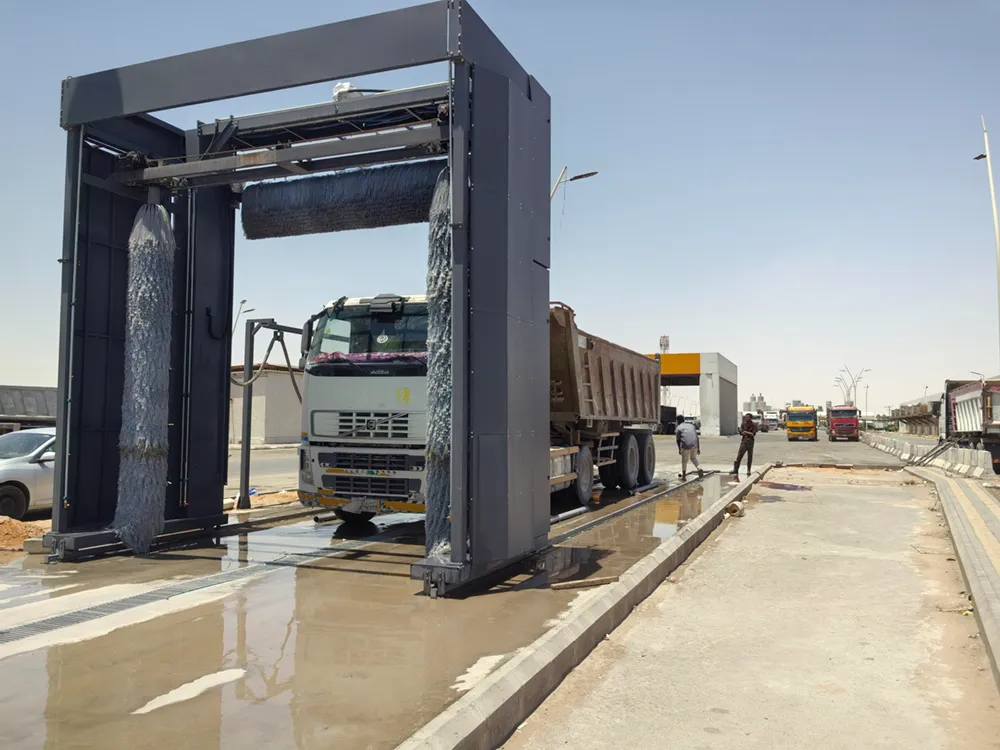
It is precisely for this reason that drive-thru touchless truck wash systems typically necessitate substantially less maintenance compared to their counterparts featuring brushes or complex gantry-style movements. Fewer mechanical components translate directly into fewer opportunities for breakdowns and reduced wear and tear on consumable parts.
However, even if your wash system incorporates brushes or employs a gantry mechanism, the entire burden of maintenance does not fall solely upon your shoulders. Reputable system manufacturers frequently undertake various checks as part of their standard service packages, especially if they offer dedicated account management as an integral component of their long-term partnership commitment. This support framework is designed to underpin your sustained success and optimize the system’s operational lifespan.
Fortunately for you, we have meticulously narrowed down the most critical aspects of maintaining your automated wash system, providing the essential knowledge to avoid exorbitant annual repair costs and unexpected operational interruptions.
Conduct Regular Maintenance Inspections: Your Foundation for Proactive Care
A disciplined approach to regular inspections forms the bedrock of an effective preventative maintenance strategy for any automated wash system. Ideally, a comprehensive inspection of the system should be completed at least once per week. However, as a minimum standard, you should aim for at least one thorough inspection per month. This systematic vigilance is not merely a formality; it is a critical practice that empowers early detection of minor issues, thereby preventing their escalation into far more complex, expensive, and time-consuming problems. Skipping these regular checks is akin to ignoring early warning lights on a vehicle – small issues can rapidly compound into catastrophic failures.
There are primarily two main categories of wash system inspections you should conduct regularly to ensure optimal performance and longevity:
-
Drive-thru Inspections
-
Walk-thru Inspections
Drive-thru Inspections: The Quick Operational Overview
The drive-thru inspection represents the quickest and most immediate assessment of your wash system’s operational flow. This can be effectively conducted from within a vehicle as it traverses the wash bay, or by carefully observing a vehicle during a complete wash cycle. The primary objective is to visually confirm the correct functionality of major components and overall process timing. It allows for an assessment of real-time washing efficacy under operational conditions. Some of the critical elements you should attentively observe during a drive-thru inspection include:
-
Clogged Nozzles: Pay close attention to any areas on the vehicle that appear to be inadequately sprayed or completely missed. Clogged nozzles lead to uneven chemical application or insufficient rinsing, impacting cleanliness and potentially wasting valuable detergents. The spray pattern should be consistent and forceful.
-
Nozzle Spraying Patterns: Each nozzle should emit a distinct, well-defined spray pattern (e.g., fan, jet, conical). Inconsistent or fractured patterns indicate blockages, wear, or misalignment. A uniform spray ensures thorough coverage.
-
Correct Spinner Rotation: For systems equipped with spinning nozzles (common in touchless washes), verify that all spinners are rotating freely and at their intended speed. Slow or erratic rotation indicates bearing issues or pressure loss, reducing cleaning power.
-
Timing of the Equipment: Observe if the various stages of the wash cycle—pre-soak, main wash, rinse, wax application, drying—activate and deactivate precisely when expected and for the correct duration. Delays or premature shut-offs can lead to incomplete washes or wasted resources.
-
Pace Light Sequencing: If your system utilizes pace lights (e.g., stop/go indicators), ensure they are signaling correctly to guide vehicles through the wash at the optimal speed. Incorrect sequencing can confuse drivers and potentially lead to misaligned washes or minor collisions.
Walk-thru Inspection: The Detailed Component Scrutiny
The walk-thru inspection provides a much deeper, more granular assessment of individual system components and vital operational parameters. This more detailed inspection is commonly performed on a weekly or bi-weekly basis, requiring more direct interaction with the machinery. During this inspection, your focus shifts to the specific mechanical and chemical aspects that sustain the system’s overall performance. Critical items to evaluate include:
-
Soap Dilution Ratios: Regularly check the detergent injection systems to ensure that soaps and chemicals are being diluted at the manufacturer-recommended ratios. Incorrect dilution can lead to poor cleaning, excessive chemical consumption, or even damage to vehicle finishes. Use titration kits or specialized measuring tools for accuracy.
-
PSI and GPM for the Rinse Pump: Verify the pressure (PSI – pounds per square inch) and flow rate (GPM – gallons per minute) of the rinse pump against manufacturer specifications. Low PSI/GPM can indicate pump wear, clogged filters, or leaks, resulting in inefficient rinsing. Proper pressure ensures effective dirt removal.
-
Air Pressure to Equipment: Inspect the air pressure gauges on pneumatic components to ensure they are within the optimal range. Inadequate air pressure can cause brushes to lose effectiveness, actuators to move slowly, or drying equipment to underperform. Look for leaks in air lines, often indicated by an audible hiss.
-
Checking for Soap or Water Leaks: Conduct a visual inspection of all pipes, hoses, connections, and pump seals for any signs of leakage. Even minor drips can waste significant resources over time and indicate potential weaknesses that could lead to larger failures. Leaks can also pose slip hazards in the wash bay.
-
Check the Salt Level in the Water Softener Brine Tank: If your system uses a water softener, ensure the brine tank contains sufficient salt. A low salt level compromises the softener’s ability to prevent hard water deposits (which can clog nozzles and leave spots on vehicles), leading to inefficient washing and premature equipment wear.
-
Check the Water Heater Temperature: Verify that the water heater is maintaining the correct temperature, particularly if your system relies on hot water for optimal chemical efficacy and faster drying. Incorrect temperatures can diminish cleaning power and increase energy costs.
-
Wash Counts: Log the daily, weekly, or monthly wash counts. This data is invaluable for tracking usage patterns, forecasting chemical needs, scheduling preventative maintenance based on throughput, and performing ROI analysis. It also helps detect any discrepancies or unauthorized use.
-
Soap Levels: Regularly check the bulk chemical storage tanks. Running out of a specific detergent mid-cycle can lead to incomplete washes and dissatisfied customers. Consistent monitoring allows for timely reordering and ensures uninterrupted service.
Be Proactive About Resolving Maintenance Issues: Anticipating and Mitigating Costs
The lifecycle of any industrial equipment inevitably involves maintenance expenses, some of which are attributable to normal wear and tear, while others are entirely preventable. Similar to your personal vehicle, addressing minor issues promptly can dramatically reduce the likelihood of experiencing catastrophic and expensive failures down the line. A proactive stance not only extends the lifespan of your wash system but also protects your operational budget.
When selecting the automated truck wash system that best aligns with your fleet’s specific needs, it is crucial to recognize that certain design features inherently carry higher long-term maintenance costs. Understanding these distinctions up front can significantly influence your purchase decision and your subsequent maintenance planning.
Here are some of the features that typically demand more frequent maintenance and will consequently incur higher yearly operating costs to ensure their proper functioning:
-
Gantry-style Washes: A gantry-style wash, where the entire washing apparatus moves back and forth over a stationary vehicle, involves a considerably greater number of moving parts compared to a static drive-thru system. This complexity—including motors, wheels, tracks, electrical cabling on movable carriages, and precise synchronization mechanisms—translates directly into more potential points of wear, requiring more frequent inspection, lubrication, and adjustment. Consequently, gantry systems will generally cost more to maintain annually than drive-thru systems. The additional friction and stress on moving components in a corrosive, wet environment accelerate wear.
-
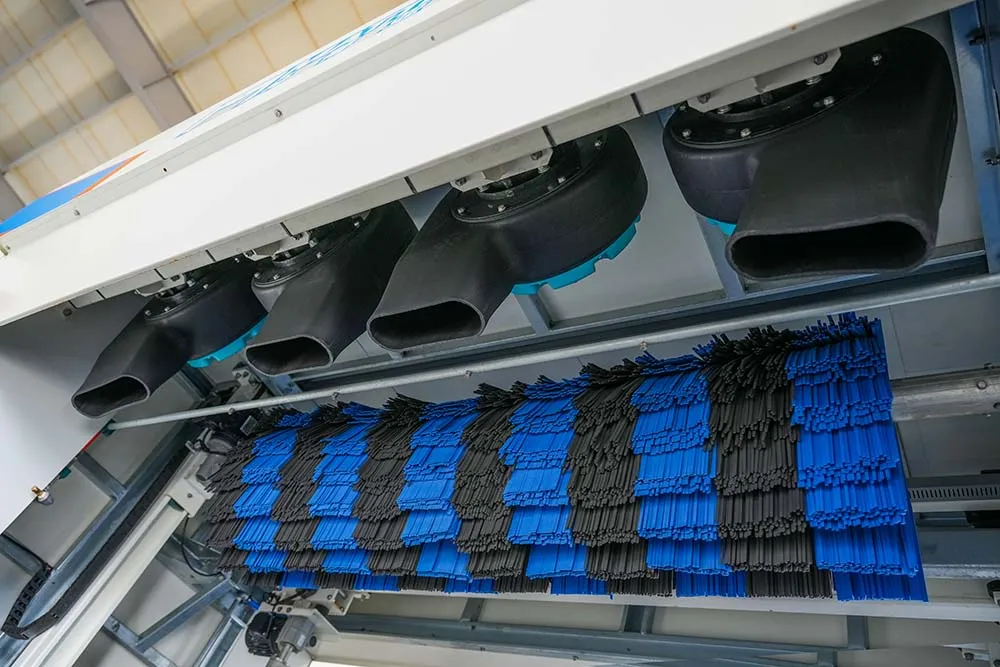
Standard Wash Systems with Brushes: While highly effective at cleaning, most systems incorporating physical brushes inherently require regular greasing and adjustments to ensure optimal contact with vehicles without causing damage, and to prevent undue strain on motors. As a brush module ages and accrues wash cycles, the bristles will naturally shorten, eventually reaching a point where they lose their cleaning efficacy and necessitate replacement. This is a consumable part. Furthermore, if the system employs a chain-drive mechanism for brush rotation or gantry movement, the chain will naturally stretch over time, requiring regular tension adjustments to prevent slippage, premature wear on sprockets, or even catastrophic failure. Brush maintenance is a core recurring cost.
-
Water Reclamation Systems: Investing in a water reclamation system is a responsible and increasingly necessary step for environmental stewardship and operational cost reduction, but it introduces its own set of maintenance requirements. These systems typically utilize a series of settling tanks, filtration media (e.g., coalescing plates, media filters), and often biological treatment components that allow for solid contaminants (dirt, sand, grease, oils) to fall out of suspension. As these tanks accumulate sediment and debris, their ability to efficiently filter and clean water diminishes significantly. If left uncleaned, the system becomes less effective, potentially leading to increased freshwater consumption, odor issues, or discharge violations. Depending on the volume of vehicles and the level of dirt they carry, these settling tanks will need to be emptied and cleaned frequently, often ranging from a monthly to a quarterly basis. This physical cleaning is labor-intensive but critical for system performance.
While there are many responsibilities your wash system manufacturer or dedicated service partner should assume, there remains a critical scope of ongoing preventative measures you can implement internally to protect your automated wash system. The ability to quickly identify and appropriately address minor issues is your most potent defense against escalating problems and the majority of major repair expenses.
What you can take care of yourself, quickly and efficiently:
-
Greasing Motors: Motors and other moving components with grease fittings require regular lubrication. This reduces friction, prevents wear, extends bearing life, and minimizes heat buildup. Consult your system manual for recommended grease types and application frequency.
-
Cleaning Clogged Nozzles: Promptly clearing any clogged nozzles is a highly effective preventative action. Leaving them clogged can allow heavy-duty detergents to crystallize and solidify within the manifolds and entire detergent arch, potentially blocking a complete section of the system. This quick, five-minute task can prevent hours of laborious, manual cleaning of intricate piping systems.
-
Adding Salt to the Water Softener System: Regularly monitoring and replenishing the salt level in your water softener’s brine tank ensures continuous soft water delivery, preventing scale buildup in pipes and nozzles, and improving cleaning efficiency while protecting vehicle finishes.
-
Replacing Check Valves on the Detergent System: Check valves are crucial for preventing chemical backflow and ensuring accurate dilution. Over time, these small components can wear or become sticky. Replacing faulty check valves immediately prevents improper chemical delivery and wasted product.
-
Installing New Seals on Detergent Dilution Pumps: Detergent dilution pumps rely on seals to maintain pressure and prevent leaks. Worn seals can lead to incorrect chemical concentrations and costly detergent waste. Inspecting and replacing these seals as part of routine maintenance is simple and highly effective.
-
Cleaning Filters for Detergent Systems: Many detergent systems include inline filters to prevent particles from entering the pumps and nozzles. These filters can become clogged with sediment or crystallized detergent. Regular cleaning or replacement of these filters ensures unobstructed flow and consistent performance.
How to Maintain Your Wash Bay Walls and Supporting Equipment
The physical environment of the wash bay itself—specifically the walls and supporting equipment—endures an incredibly harsh operational climate, constantly exposed to a corrosive cocktail of dirt, grease, exhaust fumes, road salt, and concentrated detergent residue. Neglecting this infrastructure not only detracts from the professional appearance of your operation but can also compromise the integrity and safety of the bay.
The wash bay walls, often constructed from materials like fiberglass, stainless steel, or specialized coated concrete, will inevitably accumulate layers of grime and residue throughout the year. Typically, these walls should be thoroughly cleaned on an annual basis using an aggressive, low-pH wash tunnel cleaner. These cleaners are specifically formulated to break down stubborn mineral deposits, soap scum, and greasy films without damaging the wall surfaces. Regular cleaning prevents permanent staining, prolongs the life of the wall materials, and significantly enhances the bay’s visual appeal.
Beyond the walls, the supporting wash bay equipment, while ideally designed to withstand these corrosive effects, still requires targeted preventative measures and strategic material choices. Even with the highest-grade equipment, certain components are prone to wear and environmental degradation if not adequately protected or maintained.
-
Overhead Door Motors: An overhead door motor, when situated directly within a wash bay, is subjected to extreme moisture and chemical exposure. Even the most robust, industrial-grade motors will typically only achieve a service life of around five years under these conditions. We consistently recommend that overhead door motors be jack shafted into an adjacent equipment room. This strategy places the motor outside the corrosive wash bay environment, shielding it from direct exposure to water and chemicals, and will easily more than double its life expectancy, extending it to a decade or more.
-
Electrical Conduit: In the unforgiving wash bay environment, the choice of electrical conduit material is paramount for safety and longevity. At Mattias Automotic Car Wash Systems, we unequivocally recommend that all electrical conduits be PVC (Polyvinyl Chloride). Unlike metallic conduits, which are highly susceptible to rust and corrosion when exposed to continuous moisture, salts, and detergents, PVC conduits are inherently non-corrosive and offer superior protection for electrical wiring, thereby drastically prolonging the lifespan of your electrical infrastructure and mitigating safety risks.
-
Electrical Boxes: All electrical boxes installed within or near the wash bay must possess a NEMA 4 rating (or NEMA 4X for stainless steel). This rating signifies that the enclosure is constructed for indoor or outdoor use and provides a degree of protection against ingress of water (splashing water, hose-directed water, and even temporary submersion), dust, dirt, and external formation of ice. Choosing lower-rated boxes significantly increases the risk of water intrusion, which can lead to short circuits, equipment failure, and severe electrical hazards.
-
Fasteners and Unistrut: In a highly corrosive environment, standard steel fasteners and unistrut (a common support system for conduits and equipment) will rapidly corrode, compromising structural integrity and potentially leading to component failures or dangerous collapses. Stainless steel is often the only acceptable and best option to prolong life for these critical components. While a higher initial investment, the extended lifespan and enhanced safety offered by stainless steel significantly outweigh the short-term savings of using inferior materials.
Why it’s Important to Keep Spare Parts: Minimizing Downtime and Ensuring Continuity
The strategic decision to maintain an inventory of essential spare parts on hand may seem intuitively obvious, yet its true value is often underestimated until an unforeseen breakdown occurs. The criticality of spare parts hinges directly on the tolerance for downtime within your specific operation. Different types of fleets possess vastly different requirements regarding uninterrupted service.
For instance, a commercial truck wash facility designed to service a general over-the-road fleet might be able to tolerate an operational disruption of a couple of days without undue stress on the company’s delivery schedules or significant financial repercussions. While inconvenient, drivers can reroute to alternative wash facilities or postpone washing.
However, consider a highly specialized biosecurity truck wash system—often vital for operations like poultry farms, livestock transporters, or pharmaceutical logistics—where the primary function is to prevent the spread of virulent viruses or contaminants from farm to farm or facility to facility. Such an operation simply does not have the luxury of being down for more than a few hours, or at most, a day. A prolonged outage could have catastrophic financial and health consequences, leading to widespread contamination, quarantines, and severe economic losses. In such critical applications, an immediate repair capability is non-negotiable.
Therefore, a wash operation with a stringent low-downtime requirement will necessarily need to maintain a much more extensive inventory of crucial spare parts on hand to enable rapid identification and rectification of any issue, thereby minimizing disruption. This is not an overhead expense; it’s an insurance policy for business continuity.
Common Spare Parts to Consider Keeping in Inventory:
-
Nozzles: These are consumables and critical for effective spray patterns. Clogging or damage is common, and immediate replacement is vital for cleaning efficacy.
-
Nozzle Fittings: Connect nozzles to plumbing. Breakage or leaks at these points can disrupt the spray and waste water/chemicals.
-
Valves: Solenoid valves, manual ball valves, and check valves control fluid flow. Malfunctions can cause improper chemical application, water wastage, or system shutdown.
-
Hoses: Pressure hoses, chemical lines, and water supply lines are prone to wear, kinking, or bursting due to constant pressure, chemicals, and physical stress. Having replacements is crucial.
-
Solenoids: Electrical components that control valve actuation. They can burn out or become mechanically jammed, impacting the precise timing of chemicals and water.
-
Air Cylinders (Actuators): Used in systems with movable components (e.g., side brushes, drying arches). Failures lead to mechanical elements failing to position correctly.
-
Small electrical components: Fuses, relays, contactors, and sensors can be prone to failure due to moisture and electrical loads. These often stop systems from operating completely.
What to Look for in an Automated Wash System Partner: A Blueprint for Long-Term Value
When evaluating potential automated truck wash systems for purchase, especially with an eye towards minimizing maintenance and maximizing longevity, the fundamental principle truly simplifies to one core concept: limiting the number of moving parts. This design philosophy directly translates into fewer wear points, fewer opportunities for mechanical failure, and therefore, lower ongoing maintenance demands. A system with inherent simplicity in its mechanics is generally easier to diagnose, service, and keep operational. Depending on your fleet’s operational imperatives, you may also want to prioritize a wash system that is resilient enough to continue functioning effectively even if an isolated component fails, allowing a specific section to be temporarily deactivated without shutting down the entire wash process. This ensures continuity during minor repairs.
Beyond the initial system design, a crucial factor in securing low-maintenance operations is the quality and scope of your partnership with the system supplier. Partnering with a supplier who manufactures both the wash equipment and the specialized detergents/chemicals offers a distinct advantage. This integrated approach ensures that one single entity is accountable for the entire wash process performance. When the equipment, chemicals, and service are all provided by a single company, there is no finger-pointing between vendors if the wash isn’t performing correctly; instead, one company holds the comprehensive liability and incentive to ensure optimal results. This streamlined accountability simplifies troubleshooting and ensures a cohesive solution.
Leading truck wash equipment suppliers, like Mattias Automotic Car Wash Systems, exemplify this commitment by assigning every single automatic car wash system a dedicated account manager. This account manager goes beyond initial sales; they conduct regular preventative maintenance inspections, provide essential operational training for your staff, monitor chemical consumption and order levels, and maintain regular communication to ensure your system runs smoothly and efficiently. This dedicated resource offers invaluable insights, predictive maintenance scheduling, and immediate support for issues. Crucially, a truly exceptional partner will even offer to repair, maintain, and optimize your existing system – regardless of whether they manufactured it themselves – demonstrating their depth of expertise and commitment to customer success above all else. This willingness to support diverse equipment underscores their position as a true industry expert, rather than merely a proprietary vendor.
At the end of the day, success in maintaining your automated wash system—and by extension, the immaculate appearance and operational readiness of your fleet—comes down to a concerted and disciplined effort. If you diligently inspect your system regularly (at least weekly, ideally), maintain a judicious inventory of critical spare parts handy based on your operational downtime tolerance, and empower your internal team (or designated partner personnel) to competently handle the routine, quick fixes detailed above, you will undoubtedly experience a significant decrease in system downtime and a substantial increase in the overall lifespan and reliability of your automated wash system. This strategic approach transforms potential liabilities into reliable assets.
Frequently Asked Questions (FAQs) About Automatic Truck Wash System Maintenance
1. How does regularly maintaining my automated wash system truly impact my bottom line?
Regular maintenance significantly impacts your bottom line in several key ways. Firstly, it minimizes expensive emergency repairs and prevents small, manageable issues from escalating into major system failures, which often carry higher labor and parts costs. Secondly, consistent upkeep extends the operational lifespan of your equipment, delaying the need for costly replacements and maximizing your return on investment. Thirdly, well-maintained systems operate more efficiently, optimizing water, chemical, and energy consumption, leading to lower utility bills and chemical expenses. Finally, by preventing unexpected downtime, it ensures your fleet remains clean, compliant, and operational, avoiding missed deliveries, damaged brand reputation, and lost revenue opportunities.
2. What are the key differences in maintenance requirements between a touchless drive-thru and a brush-based gantry car wash system?
The primary difference lies in the number and type of moving parts. A touchless drive-thru car wash system generally has fewer complex mechanical movements, relying more on strategically placed nozzles and chemical applications. Maintenance typically focuses on nozzle integrity, pump performance, chemical dilution, and water quality. Brush-based gantry car wash systems, however, involve significant mechanical complexity. The gantry structure itself moves, brushes spin, and components like actuators, chains, gears, and intricate sensor systems are involved. Maintenance for these systems includes regular greasing and adjustment of brushes and mechanical drives, inspecting and replacing worn brush bristles, and maintaining track alignment for smooth gantry movement. The continuous physical contact of brushes also contributes to higher wear on both brushes and vehicle surfaces if not properly maintained.
3. How often should my water reclamation system be cleaned, and what are the consequences of neglecting it?
The cleaning frequency for your water reclamation system is highly dependent on your fleet’s volume, the type of dirt/grime it accumulates, and the design of your specific reclamation system (e.g., settling tanks, media filtration, biological treatment). Generally, settling tanks may need to be emptied and cleaned anywhere from monthly to quarterly. Neglecting this maintenance can lead to several severe consequences:
-
Reduced Filtration Efficiency: Accumulated sediment and sludge impede the system’s ability to clean water, leading to dirty wash water and poorer cleaning results.
-
Increased Odor: Stagnant water and decaying organic matter can produce foul odors, making your wash bay an unpleasant environment.
-
System Clogs and Damage: Sediment buildup can clog pipes, pumps, and nozzles in the wash system, leading to equipment failure and costly repairs.
-
Environmental Non-Compliance: A poorly functioning reclamation system may fail to treat wastewater adequately, potentially leading to violations of environmental discharge regulations.
-
Increased Freshwater Consumption: If the reclaimed water quality drops, you might have to supplement with more freshwater, negating the cost-saving benefits of the reclamation system.
4. Is it more cost-effective to handle wash system maintenance internally or outsource it to a specialist partner?
The most cost-effective approach often involves a hybrid model, utilizing the strengths of both internal teams and external specialists. Your internal team can competently handle routine, minor tasks like cleaning nozzles, greasing motors, monitoring chemical levels, and conducting daily/weekly inspections. These simple, quick fixes prevent costly escalations. However, for more complex repairs, in-depth diagnostics, specialized calibration, and periodic major overhauls (e.g., pump rebuilds, sensor recalibrations, advanced electrical work), outsourcing to a specialist partner (ideally your manufacturer or a certified service provider) is generally more cost-effective. They possess the specialized tools, in-depth knowledge of proprietary systems, and highly trained technicians that internal teams often lack, leading to quicker, more accurate repairs and less downtime. This prevents misdiagnosis or improper repairs that can cause further damage.
5. What role does water quality play in automated wash system maintenance?
Water quality is paramount to the efficiency and longevity of your automated wash system. Hard water, rich in minerals like calcium and magnesium, can lead to several problems:
-
Scale Buildup: Hard water deposits (limescale) can quickly clog nozzles, internal pipes, heating elements, and intricate parts of the equipment, severely impacting performance and requiring frequent descaling.
-
Poor Cleaning Results: Mineral residues can leave unsightly spots and streaks on vehicles after drying, regardless of chemical quality.
-
Chemical Inefficiency: Hard water can reduce the effectiveness of soaps and detergents, requiring higher chemical concentrations and increasing operational costs.
A water softener is crucial in areas with hard water, and ensuring its proper function and regular salt replenishment directly contributes to reducing overall system maintenance, improving wash quality, and extending equipment life. Additionally, advanced filtration for process water (beyond softening) can protect sensitive components from abrasive particles.
6. How frequently should brushes be replaced in a brush-based automated wash system?
The replacement frequency for brushes in a brush-based automated wash system is highly variable and depends on several factors, including:
-
Wash Volume: Higher vehicle throughput directly correlates with faster brush wear. A system washing hundreds of trucks daily will require brush replacement much sooner than one washing a few dozen weekly.
-
Brush Material and Type: Different brush materials (e.g., closed-cell foam, cloth, traditional bristles) have varying durabilities.
-
Brush Adjustment and Maintenance: Properly adjusted and regularly cleaned brushes will last longer than those allowed to run out of adjustment or accumulate excessive grime.
-
Vehicle Cleanliness: Extremely dirty vehicles create more abrasive conditions for brushes.
Typically, with standard operational volumes and proper maintenance, brushes may need to be replaced every 1 to 3 years. Regular inspection of brush length, integrity, and cleaning effectiveness is crucial. Your service partner should be able to provide guidelines based on your specific system and operational data.