










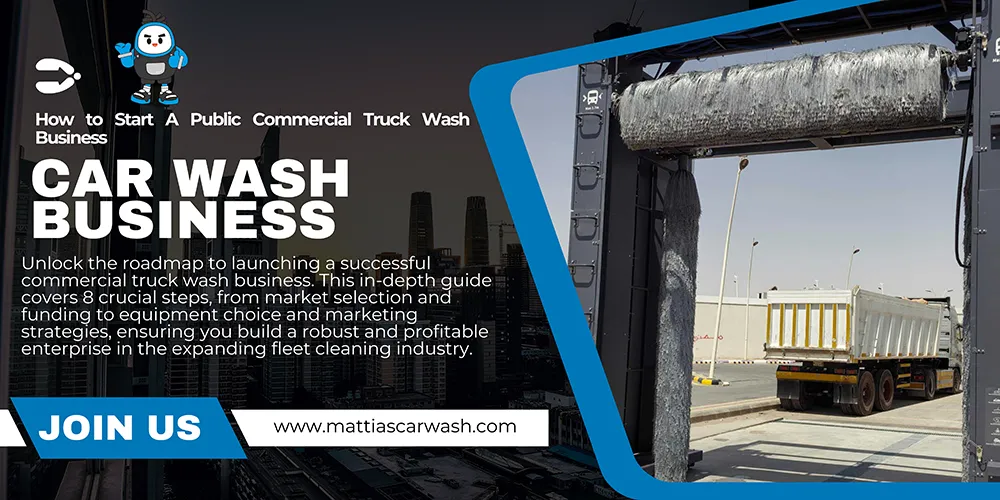

The heartbeat of global commerce depends on an extensive network of thousands of companies, collectively relying on millions of semi-trucks, delivery vans, and specialized vehicles to transport an endless array of products, goods, and raw materials. Every single one of these vehicles requires consistent cleaning. This necessity transcends mere aesthetics; professional washing profoundly enhances a company’s brand image, ensuring its mobile assets consistently project professionalism, and, perhaps even more crucially, it plays a pivotal role in reducing long-term maintenance costs by preventing the buildup of corrosive elements like dirt, grime, salt, and chemicals. In light of these immutable operational demands, embarking on the journey to establish your own commercial truck wash business presents a compelling and opportune venture.
The commercial vehicle washing industry is currently experiencing significant momentum. According to a Technavio report, the car and truck wash market is projected to grow by an impressive $5.82 billion between 2021 and 2025, at a compound annual growth rate (CAGR) of 2.92%. This robust expansion underscores the burgeoning demand, driven largely by the fact that the vast majority of organizations lack the internal infrastructure, resources, or specialized expertise to wash their vast fleets in-house, preferring instead to outsource their truck washing requirements to professional service providers. This growing trend positions a well-planned commercial truck wash business for substantial growth and profitability.
However, transitioning from an exciting concept to a thriving enterprise demands diligent planning and strategic execution. Every successful business is built upon a solid foundation, and a commercial truck wash operation is no exception. A comprehensive truck wash business plan is your essential navigational tool, meticulously mapping out every critical element required to operate a successful truck wash and proactively sidestepping common pitfalls that often challenge new small business owners.
How to Start a Commercial Truck Wash Business: Eight Essential Steps to Success
Embarking on the journey to establish a new commercial truck wash business involves a series of strategic considerations and actionable steps. We have delineated eight essential phases that you must thoughtfully navigate to lay a strong foundation for your venture and position it for enduring success:
-
Define Your Target Market: Identify precisely which types of vehicles and fleets you intend to serve.
-
Choose Your Business Model: Decide between a fixed-site commercial wash facility or a flexible mobile truck wash service.
-
Identify Your Competitive Advantages: Articulate what makes your business unique and superior to existing alternatives.
-
Determine Your Business’s Legal Structure: Establish the formal legal framework for your operation.
-
Secure Funding and Organize Finances: Develop a robust financial plan and acquire the necessary capital.
-
Establish Your Base of Operations: Select and develop the optimal physical location for your business.
-
Acquire Essential Truck Washing Equipment: Invest in the right tools and technology to deliver your services.
-
Develop a Robust Marketing Strategy: Create a plan to effectively reach and attract your target customers.
Let’s delve deeper into each of these pivotal steps.
1. Pinpointing Your Target Market: The Cornerstone of Your Business Strategy
The very first strategic imperative when conceptualizing your truck wash business is to meticulously define your target market. This initial decision is profoundly influential, acting as the magnetic North that guides virtually every subsequent business choice, from your optimal geographical location and the channels through which you conduct marketing, to the specific washing equipment you ultimately procure. A precise target market enables you to tailor your entire offering for maximum appeal and effectiveness.
Begin by posing insightful questions to delineate your potential clientele: Do you aspire to target extensive manufacturing or logistics corporations that operate substantial national fleets of 18-wheelers? Perhaps your niche is the individual owner-operator, requiring efficient and accessible services along particular, high-traffic routes. Alternatively, a location near burgeoning RV parks, sprawling agricultural areas, or large commercial vehicle storage facilities might inspire you to cater to RV enthusiasts, farming machinery, or delivery services. Consider the critical distinction: will your prospective clients demand an absolutely pristine, showroom-quality clean, or is a highly efficient, “good enough” wash that meets basic standards and quick turnaround times more aligned with their operational priorities?
Once you have identified your ideal target segments, a deeper analytical dive is warranted. Undertake comprehensive research to intimately understand their specific operational needs and behavioral patterns:
-
Vehicle Types and Fleet Size: What categories of vehicles do they operate (e.g., box trucks, tractor-trailers, municipal vehicles, specialized equipment)? What is the typical size of their fleet? This informs equipment scalability.
-
Operating Environments: Do their vehicles predominantly traverse muddy construction sites, saline-laden roads in winter conditions (requiring comprehensive salt removal and undercarriage washes), dusty agricultural routes, or clean urban settings? The nature of contaminants dictates the required wash intensity, chemical formulations, and even wash cycles.
-
Washing Frequency and Priorities: How often do they require washing (daily, weekly, monthly)? Is their primary concern speed, cost-effectiveness, environmental compliance, or adherence to strict biosecurity protocols?
-
Decision-Makers: Who makes the decision for fleet washing? Is it a fleet manager, owner-operator, or operations director? Understanding this informs your marketing approach.
By thoroughly understanding your target market, you can align your services, pricing, and messaging to their specific needs, thereby establishing a strong, symbiotic relationship that drives recurring business and builds a reputation as a trusted, indispensable partner.
2. Fixed-Site Commercial Wash vs. Mobile Truck Wash: Choosing Your Operational Footprint
Having articulated your precise target market, the next critical decision involves defining the fundamental operational model for your truck wash: will you establish a permanent, fixed-site commercial facility accessible to the public, or will you operate a dynamic mobile truck wash service that travels to your clientele? Each model presents distinct advantages, disadvantages, and scalability potentials.
Fixed-Site Commercial Truck Wash:
A fixed-site commercial truck wash, strategically located, offers significant potential for profitability and long-term growth. Its primary draw is the capacity for high-volume service and the establishment of a recognizable landmark. However, it requires a substantial upfront investment and meticulous planning. Key considerations include:
-
Location: Paramount for success. Proximity to major highways, industrial parks, trucking depots, logistics hubs, and border crossings can attract consistent traffic.
-
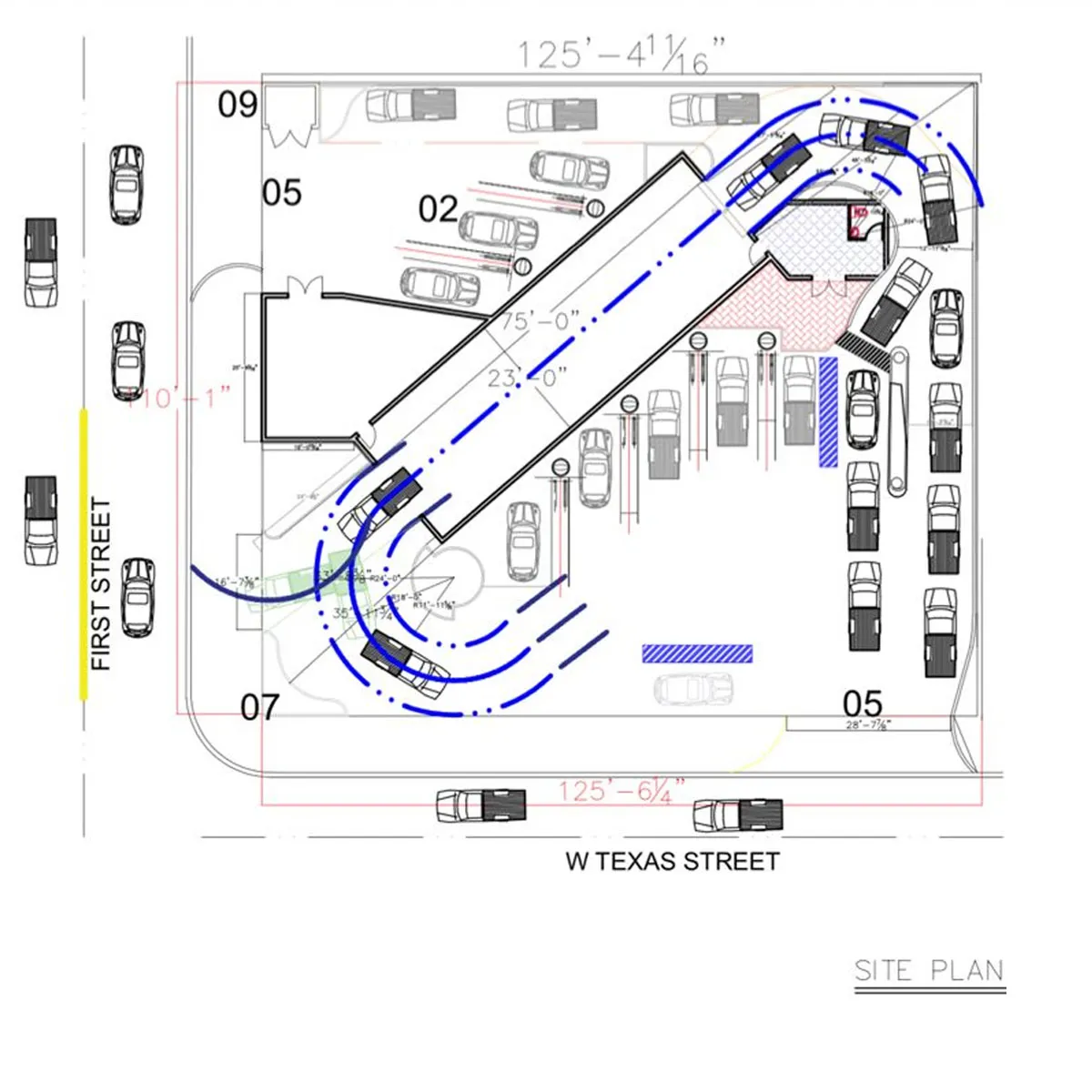
Space Requirements: You must secure a parcel of land generous enough to allow multiple large vehicles to navigate, queue, and maneuver comfortably, without impeding local traffic. Adequate staging areas for pre-wash and post-wash activities are crucial.
-
Wash Bay Configuration: You’ll need to decide between:
-
Manual Wash Bays: Offering personalized service with high-pressure wands, often preferred for custom cleaning or irregular vehicle shapes. This is labor-intensive.
-
Automated Wash Bays: Designed for speed, consistency, and reduced labor, capable of handling higher volumes. This model requires a larger initial investment but offers significant long-term operational efficiency and higher throughput potential. Automated systems also excel in environmental compliance with integrated water recycling and precise chemical dispensing.
-
Hybrid Solutions: Combining automated equipment with manual finishing or specialized manual bays for unique client needs.
-
-
Infrastructure: Access to robust utilities (ample water supply, adequate sewer capacity, reliable high-voltage electricity, and natural gas for water heating) is non-negotiable and can be a costly infrastructure buildout if not already present.
-
Environmental Compliance: Fixed sites typically face stricter environmental regulations regarding water discharge and chemical management, necessitating sophisticated water treatment and reclamation systems.
Mobile Truck Wash Business:
A mobile truck wash service offers a significantly lower barrier to entry, enabling you to launch with comparatively minimal capital investment. Your operational flexibility allows you to bring the service directly to your customers’ premises.
-
Low Start-Up Costs: You can commence operations with fundamental equipment, often a robust pressure washer, a water tank (if municipal access isn’t guaranteed), a wastewater containment system, and appropriate cleaning chemicals.
-
Flexibility and Customer Convenience: This model positions you as an “easy button” for clients, removing their need to transport vehicles to a wash site. It is particularly appealing to fleets seeking on-site convenience or those with specialized cleaning schedules.
-
Lower Growth Ceiling: While initial setup is easier, scalability can be limited by your equipment’s capacity and reliance on customer utilities (water, power), and the physical demands of mobile work. Expanding means adding more mobile units, each with its own logistical challenges.
-
Environmental Regulations for Mobile Washing: Though potentially less stringent than fixed sites, you will still need to comply with wastewater runoff regulations, requiring mobile containment and proper disposal methods to avoid environmental penalties.
-
Specialization: Mobile washing often excels at specific niches, like fleet detailing, equipment sterilization (e.g., for food-grade tankers), or scheduled preventative cleaning at depots.
Your choice here will fundamentally shape your budget, operational complexities, staffing requirements, and overall business scalability. Many successful entrepreneurs begin with a mobile service to build capital and a client base, then strategically transition or expand into fixed-site operations.
3. Listing Your Competitive Alternatives: Crafting Your Unique Value Proposition
This phase, though frequently undervalued by budding entrepreneurs, is arguably one of the most critical determinants of a truck wash business’s enduring success. Understanding your competitive landscape—not just direct rivals but all viable alternatives available to your ideal customer—empowers you to truly differentiate your offering and cultivate a distinct position in the market. It moves you beyond merely existing to actively thriving.
Here’s the often-overlooked secret: Do not limit your perception of competition solely to other truck wash businesses. Instead, ask yourself a more fundamental question: “What would my ideal customer do if my business did not exist?” The answers can be revealing. Perhaps they would delegate washing tasks to their in-house maintenance crews or truck drivers, utilizing their own equipment and limited time. Or they might resort to less effective, informal methods that consume valuable internal resources. Your challenge is to illuminate precisely why your dedicated, professional solution represents a significantly superior alternative to these inherent, often costly, self-serve or DIY approaches.
Now, conduct a detailed analysis of all identified alternatives, dissecting both their strengths and weaknesses from the perspective of your target customer:
-
Competitor Analysis (Direct & Indirect):
-
What services do existing fixed-site or mobile truck washes offer?
-
What are their pricing structures?
-
What are their operational hours and turnaround times?
-
What customer feedback or reputation do they hold (positive and negative)?
-
What about alternative options, such as driver hand-washing or existing on-site, rudimentary wash bays at depots? What are their real (often hidden) costs in terms of labor, water, environmental impact, and vehicle wear?
-
-
Identifying Gaps and Opportunities:
-
What aspects do your competitors excel at? Can you emulate or surpass them?
-
Where do they fall short? Are there consistent complaints about speed, quality, environmental practices, customer service, or accessibility? These represent potential market gaps you can fill.
-
Can you offer a superior “customer experience” that alternatives lack?
-
-
Developing Your Differentiation Strategy: This analytical exercise helps you pinpoint exactly what kind of business you want to be and how to distinguish yourself. It’s about finding your “unique selling proposition” (USP).
-
Are you faster, more thorough, more environmentally friendly, more specialized for certain vehicle types (e.g., hazmat, biosecurity), or do you offer unparalleled customer service?
-
Could you introduce subscription models, fleet discounts, or loyalty programs that offer greater value?
-
Finally, channel your focus internally and identify your inherent strengths and potential competitive advantages:
-
Expertise: Do you have experienced fleet wash technicians you could hire, offering unmatched knowledge in automated systems or chemical application?
-
Partnerships: Can you forge a strategic alliance with a reputable truck wash equipment manufacturer that also produces high-performance soaps and detergents? This “single-source” partnership, like with Mattiac Car Wash Systems, offers a distinct advantage: a unified accountability if the wash isn’t performing optimally, leading to a superior and more reliable product for your customers. You gain access to proprietary formulas and specialized technical support, ensuring consistent high quality.
-
Location: Is your site uniquely convenient or strategic for your target market?
-
Technology: Are you investing in cutting-edge automated systems or water recycling technologies that competitors lack?
By thoroughly understanding your landscape and internal capabilities, you can forge a clear, compelling differentiator that resonates with your target market, setting your truck wash business apart from the competition.
4. Defining the Legal Structure of Your Business: Building Your Formal Foundation
Once you have meticulously charted your business vision and analyzed the competitive environment, the next pivotal step is to establish the formal legal structure for your truck wash operation. This decision carries significant implications for liability protection, taxation, administrative burden, and future fundraising potential. It’s crucial to select a structure that best aligns with your long-term goals and risk tolerance. While general information is provided below, we strongly and unequivocally encourage seeking professional legal and accounting counsel before making this definitive choice, as state-specific regulations and individual circumstances can greatly vary.
Common Legal Structures include:
-
Sole Proprietorship: Simple to set up, minimal legal formalities, but offers no personal liability protection; your personal assets are at risk.
-
Partnership: Suitable for businesses with two or more owners. Similar to sole proprietorships regarding liability (in a General Partnership), but a Limited Partnership (LP) or Limited Liability Partnership (LLP) can offer some protection.
-
Limited Liability Company (LLC): This popular structure offers significant advantages, providing the personal liability protection of a corporation while retaining the pass-through taxation benefits (profits and losses are reported on your personal income tax, avoiding double taxation). It’s simpler to manage than a corporation.
-
Corporation (C-Corp or S-Corp):
-
C-Corporation (C-Corp): Offers the strongest liability protection for owners and provides robust pathways for fundraising (e.g., selling stock). However, profits are taxed twice (corporate level and then again when distributed to shareholders), and administrative requirements are more stringent.
-
S-Corporation (S-Corp): Similar liability protection to a C-Corp but avoids the double taxation issue by allowing profits and losses to be passed through directly to the owners’ personal income without being subject to corporate tax rates. There are limitations on the number and type of shareholders.
-
Your initial organizational decisions should also encompass the internal operational structure. Especially if you are just starting out, maintaining a lean and agile team is generally the most prudent approach. Many successful truck wash businesses initiate as mobile fleet washing services, leveraging the lower overhead and immediate revenue generation, gradually expanding their team and services as the business gains traction and financial stability. Visualize and create a clear organizational chart or a “decision tree” of all key roles you anticipate needing – from lead wash technicians and administrative support to specialized equipment maintenance personnel – and consider who you would hire or enlist for assistance as your truck wash business grows. Defining roles early, even if you fill them yourself initially, helps in scaling effectively.
5. Organizing Funding and Finances: The Financial Backbone of Your Venture
A robust financial plan is indispensable for the successful launch and sustainable growth of any commercial truck wash business. Before you even contemplate seeking external funding, whether through traditional bank loans or investment from venture capitalists, you must meticulously outline your comprehensive financial landscape. This involves a detailed accounting of both projected expenses and potential revenue streams.
Detailed Expense Projections:
Begin by creating an exhaustive list of all potential expenditures, categorized as initial start-up costs, fixed operating costs, and variable operational expenses.
-
Initial Start-up Costs:
-
Land Acquisition/Lease: The cost of purchasing or leasing your chosen base of operations will likely be the most significant upfront expense, particularly for a fixed-site facility.
-
Construction/Renovation: Costs associated with building the wash bay structure, office space, utility hook-ups, paving the lot, installing drainage, and landscaping.
-
Equipment Purchase: This includes the truck washing system itself (automated or manual pressure washers), water treatment systems (softeners, RO/DI systems), water heaters, drying equipment, chemical dispensing systems, and wastewater reclamation systems.
-
Permits and Licensing: Fees for various federal, state, and local business licenses, environmental permits, building permits, and zoning approvals.
-
Legal and Accounting Fees: Costs associated with setting up your legal structure, drafting contracts, and initial tax planning.
-
Initial Inventory: Purchasing a starter supply of soaps, chemicals, towels, safety gear, and spare parts.
-
Marketing and Branding: Costs for initial logo design, website development, signage, and launch campaigns.
-
-
Operating Expenses:
-
Payroll: Wages and benefits for any employees (wash technicians, administrative staff, account managers).
-
Utilities: Monthly costs for water, electricity (can be substantial for heated washes or powerful drying systems), natural gas, and sewage.
-
Chemical Supplies: Ongoing replenishment of detergents, waxes, pre-soaks, and specialty cleaners.
-
Insurance: Comprehensive business liability insurance, property insurance, and potentially environmental indemnity insurance.
-
Maintenance and Repairs: Routine upkeep of equipment, unexpected repairs, and periodic overhauls.
-
Rent/Mortgage: Monthly payments for your property.
-
Administrative Overheads: Office supplies, software subscriptions, and communication costs.
-
Loan Repayments: If you secure financing, factor in the monthly principal and interest.
-
Financial Projections:
Once your expenses are quantified, shift your focus to projecting your financial performance. This section is critical for convincing lenders or investors that your business is not only viable but also destined for stability and profitability.
-
Revenue Streams: Detail how your business will generate income. This includes per-wash charges, fleet contracts, subscription services, ancillary services (e.g., detailing, interior cleaning), and potential retail sales of cleaning products.
-
Break-Even Analysis: Calculate the point at which your total revenues equal your total costs.
-
Profit and Loss (P&L) Statements: Project monthly and annual P&L statements for at least 3-5 years, showing anticipated revenues, costs, and net profits.
-
Cash Flow Projections: Illustrate the movement of cash into and out of your business over time, ensuring you have enough liquidity to meet operational needs.
-
Balance Sheets: Project your assets, liabilities, and owner’s equity at specific points in time.
-
Contingency Planning: Always factor in a buffer (e.g., 6-12 months of operating expenses) for unexpected expenses or slower-than-anticipated revenue generation.
Securing Funding:
With a robust financial plan in hand, you can confidently approach funding sources:
-
Self-Funding/Personal Investment: Using personal savings or assets is common for initial capital.
-
Small Business Loans: Banks and credit unions offer various loan products specifically for small businesses, often requiring a detailed business plan and collateral.
-
SBA Loans: U.S. Small Business Administration (SBA) guaranteed loans can offer more favorable terms for qualified entrepreneurs.
-
Angel Investors or Venture Capital: For larger ventures with high growth potential, seeking equity investment from private investors may be an option, though this involves giving up a stake in your company.
-
Equipment Leasing: Consider leasing high-cost equipment to reduce upfront capital requirements.
Regardless of your chosen funding route, a meticulously prepared financial plan demonstrates your understanding of the business’s economic realities and enhances your credibility with potential financial partners.
6. Setting Up Your Base of Operations: The Strategic Site Selection
The physical location of your commercial truck wash business is more than just an address; it is a critical operational asset that can significantly influence your success. While finding the most affordable property might be tempting, optimizing for functionality, accessibility, and strategic market presence is paramount. Your chosen base of operations must meet a complex array of criteria:
-
Easily Accessible and Visible: Your site needs to be highly visible from major arteries and effortlessly accessible for large commercial vehicles. Consider direct turns off highways, wide entry/exit points, and minimal residential traffic that might pose navigational challenges for long-haul trucks. Proximity to exit ramps, service stations, and truck stops can be highly advantageous.
-
Robust Utility Infrastructure: This is a non-negotiable prerequisite. Your location must have ready access to substantial quantities of water, sufficient sewage capacity to handle significant wastewater volumes (even with reclamation systems), and high-capacity electrical power for heavy-duty wash equipment, dryers, and water heaters. The costs of bringing these utilities to a property that lacks them can be prohibitively expensive.
-
Ample Lot Space for Maneuverability and Queuing: Large commercial vehicles require significant turning radii and space. Your lot must be spacious enough to accommodate multiple trucks, enabling seamless navigation for entry, washing, and exit. Sufficient queuing space is essential to prevent vehicles from spilling onto public roads, causing congestion, and ensuring a smooth customer experience. Think about distinct zones for pre-wash staging, the wash bay itself, and post-wash drying/inspection.
-
Sufficient Space for Equipment Installation: Beyond vehicle maneuvering, the property must be large enough to physically accommodate all necessary washing equipment (whether automated drive-through or gantry systems), bulk detergent storage tanks, water treatment equipment, water heaters, and a potential office or customer lounge. Future expansion possibilities should also be considered.
-
Permitting and Legal Permissions: This is often the most complex and time-consuming aspect of site selection. Before any purchase or lease commitment, rigorously investigate and secure all necessary local, state, and federal permits and zoning approvals. This includes building permits, environmental permits for water usage and wastewater discharge (including compliance with Clean Water Act regulations), storm water management plans, and land use zoning regulations. Navigating these requirements can be arduous, and early legal counsel is strongly advised.
-
Strategic Proximity to Your Target Market: While not always as critical as accessibility, a location reasonably close to the epicenters of your target market can offer a distinct competitive advantage. Being the “easy button” – the closest, most convenient, or most accessible wash for a large depot, an industrial park, or a common trucking route – positions your business as the preferred solution for busy fleet managers and owner-operators seeking to minimize unproductive travel time.
Thorough due diligence in site selection will prevent costly rework, permit denials, and operational bottlenecks down the line, ultimately ensuring your truck wash business can operate efficiently and without unforeseen legal or logistical impediments.
7. Acquiring Essential Truck Washing Equipment: Equipping for Efficiency and Excellence
The effectiveness and efficiency of your commercial truck wash business are inextricably linked to the quality and suitability of the equipment you acquire. This phase demands careful consideration and often benefits greatly from collaboration with an experienced fleet washing manufacturer or distributor who can provide expert assessment of your business goals and assist in a holistic equipment planning process. The choices you make here will be heavily influenced by your chosen business model (fixed-site vs. mobile) and, critically, your identified target market’s specific needs.
Generally, your equipment considerations will encompass:
-
The Core Washing System:
-
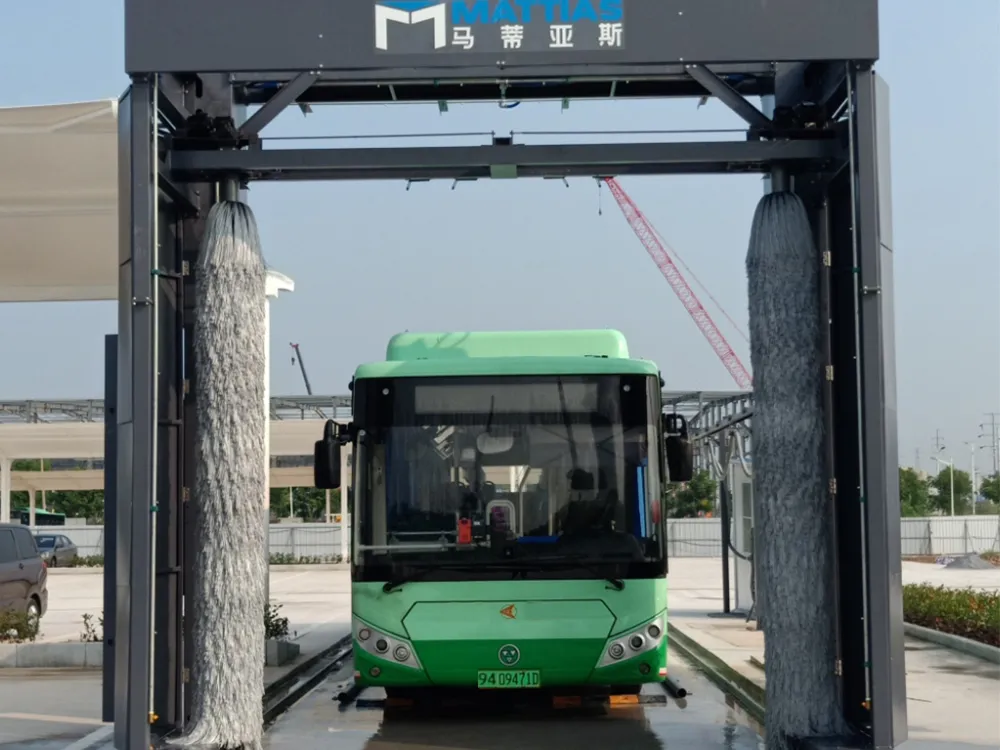
Automatic Car Wash System: For fixed sites targeting high-volume throughput and labor efficiency, an automated drive-through or gantry system is paramount. Research touchless systems (less moving parts, lower maintenance) versus brush-based systems (often more thorough for heavily soiled vehicles). Factors to consider include wash cycle time, customizability for different vehicle sizes, and long-term maintenance costs.
-
Pressure Washers for Manual Bays/Mobile Units: If opting for manual wash bays or a mobile service, invest in high-quality, durable, industrial-grade pressure washers with sufficient PSI (pounds per square inch) and GPM (gallons per minute) to tackle heavy commercial vehicle grime. Consider hot water units for enhanced cleaning efficacy, especially for grease and oils.
-
Specialty Equipment: Depending on your niche, this could include specialized undercarriage wash systems for salt and mud removal, tire wash systems, or chemical application arches for specific pre-treatments (e.g., aluminum brightening).
-
-
Water Management Systems:
-
Water Source and Quality: Assess your incoming municipal water. Is it hard or soft? Hard water contains minerals that can clog nozzles, leave spots, and reduce chemical effectiveness, necessitating a water softener or reverse osmosis (RO)/deionization (DI) system to achieve optimal water quality, prevent spotting, and protect your equipment.
-
Water Storage Tanks: Large tanks are often needed to ensure a consistent supply of softened or treated water, or to serve as buffer tanks for your reclamation system.
-
Water Heaters: Crucial for enhancing chemical performance, particularly in dissolving grease, oil, and heavy grime, and for accelerating drying times, especially vital in colder climates. The cost-benefit of heated water often outweighs the energy expenditure due to improved cleaning and customer satisfaction.
-
Water Reclamation/Recycling Systems: An increasingly vital investment for environmental compliance and cost reduction. These systems filter, treat, and reuse a significant percentage of your wash water, dramatically reducing freshwater consumption and wastewater discharge volumes. This can be complex, involving settling tanks, biological treatment, and advanced filtration.
-
-
Drying Equipment:
-
Powerful air blowers are essential for fixed-site automated washes, particularly in colder northern states where rapid drying prevents freezing and spotting from residual water. Quality drying equipment directly impacts customer satisfaction.
-
-
Chemical Dispensing and Storage:
-
Invest in robust, accurate chemical injection and dilution systems to ensure consistent and economical chemical application. Secure bulk storage tanks for various soaps, degreasers, waxes, and specialized detergents.
-
-
Drainage and Wastewater Treatment:
-
Compliance with environmental regulations is paramount. This requires appropriate floor drains, oil-water separators, grit traps, and, as mentioned, potentially advanced wastewater treatment prior to discharge into the sewer system or further reclamation. This ensures compliance with local and federal wastewater regulations.
-
A well-rounded equipment plan accounts for not only initial purchase costs but also long-term operational efficiency, maintenance, chemical consumption, and environmental responsibility. A knowledgeable supplier, particularly one that manufactures both equipment and chemicals, can be an invaluable guide in making these critical selections.
8. Building Your Marketing Strategy: Communicating Your Value to Your Target Market
Your marketing plan, strategically positioned as the final phase in establishing your commercial truck wash business, cannot be effectively conceived or executed without first meticulously assessing your business model, deeply understanding your target clientele, and clearly defining your unique competitive advantages. Attempting to market before these foundational elements are firmly in place will invariably lead to inefficient spending and diluted messaging. Your marketing objective, at its core, is to effectively convey “what you are offering, to whom you are offering it, and why you are the unequivocally better option compared to all alternatives” to as many of your prospective customers as possible.
While there is no universally “correct” marketing strategy—as effectiveness varies considerably from business to business and market to market—a well-informed approach integrates various channels to maximize reach and engagement. Your plan should center on telling your story, highlighting your strengths, and addressing the specific pain points of your target audience.
Some common and effective marketing channels for a commercial truck wash business include:
-
Establishing a Professional Website: This serves as your digital storefront. It should clearly outline your services, hours, location, pricing (or how to request a quote for fleet accounts), contact information, and showcase your equipment/capabilities. Ensure it’s mobile-responsive and professional.
-
Search Engine Optimization (SEO): Optimizing your website and online content for search engines (like Google) ensures that when fleet managers or owner-operators search for “commercial truck wash near me” or “fleet washing services [your city],” your business appears prominently. This involves keyword research, local SEO techniques, and creating valuable content (like this blog post!).
-
Google My Business (GMB) and Local Directories: Crucial for local visibility. Optimize your GMB profile with accurate information, photos, services, and encourage customer reviews. Listing your business in online directories (Yellow Pages, Yelp, industry-specific directories) also boosts local search presence.
-
Organic Social Media Presence: Platforms like LinkedIn can be powerful for reaching fleet managers and logistics companies. Showcase before-and-after photos, share testimonials, highlight eco-friendly practices, and engage with industry-related content. For owner-operators, Facebook groups related to trucking can also be effective.
-
Digital Advertising (Google Ads, Social Media Ads): Targeted digital advertising allows you to reach specific demographics or geographical areas. For example, Google Ads can target users searching for commercial truck washes, while LinkedIn ads can target fleet managers by job title or company size. This offers immediate visibility and measurable results.
-
Direct Outreach and Relationship Building: This is particularly effective for securing lucrative fleet contracts. Directly contacting fleet managers, visiting trucking depots, attending industry trade shows, and offering trial washes or introductory discounts can build crucial B2B relationships. Personal recommendations and referrals remain powerful in the trucking community.
-
Loyalty Programs and Fleet Accounts: Implement systems for recurring customers, offering volume discounts, monthly unlimited wash passes, or tiered service agreements to incentivize repeat business and build long-term relationships.
-
Partnerships: Collaborate with local truck repair shops, dealerships, truck stops, or logistics companies to offer package deals or referral incentives.
Your marketing budget should be allocated strategically across these channels, with performance tracking (website analytics, ad conversions, customer acquisition costs) guiding continuous optimization. The goal is not just to attract customers, but to cultivate a loyal client base who see your truck wash as an indispensable partner in their operations.
Getting Started: Your Pathway to a Rewarding Venture
The prospect of establishing your own commercial truck wash business, particularly one integrated with advanced automated systems, may indeed seem like a formidable undertaking initially. However, it represents a remarkably rewarding entrepreneurial endeavor, capable of delivering substantial financial returns and contributing a vital service to the expansive logistics and transportation sectors.
The market demand is robust and undeniable: a significant number of fleet directors and fleet managers consistently face constraints in terms of capacity, time, and specialized resources to maintain their extensive vehicle fleets internally. Their core focus lies squarely on orchestrating efficient delivery schedules, managing complex transportation networks, and ensuring prompt service – not on the meticulous task of vehicle cleaning. This is precisely where a dedicated commercial truck wash operation steps in, offering an indispensable, outsourced solution that seamlessly integrates into their operational workflow. By providing an efficient, reliable, and high-quality washing service, you become a critical partner in their operational success, enhancing their brand image and protecting their significant asset investments.
This comprehensive guide is designed to equip you with the foundational knowledge and strategic roadmap necessary to embark confidently on your commercial truck wash venture. However, if you find yourself requiring additional insights, seeking personalized advice, or having specific questions as you navigate this exciting process, do not hesitate to leverage the expertise of industry professionals. Feel free to contact us at Mattiac Car Wash Systems; our team will be delighted to provide clarity and guidance to help you successfully launch and grow your truck wash business.
Frequently Asked Questions (FAQs) About Starting a Commercial Truck Wash Business
1. What are the typical startup costs for a commercial truck wash, and what influences them most?
Startup costs for a commercial truck wash can vary widely, typically ranging from $150,000 for a basic mobile unit to over $2 million for a state-of-the-art automated fixed-site facility.The most significant influencing factors are:
-
Business Model: Mobile operations have lower entry costs (pressure washers, van, tanks), while fixed sites incur substantial expenses for land acquisition, construction, and infrastructure.
-
Location: Real estate values, utility accessibility, and local permitting fees vary significantly by region.
-
Equipment Choice: Manual wash bays require less investment than automated drive-through or gantry systems, which can be costly but offer greater efficiency and capacity. Specialized equipment like water reclamation, drying systems, or heated water units also adds to the cost.
-
Building Type: Custom-built wash bays are more expensive than retrofitting an existing structure.
-
Permitting and Legal Fees: Environmental compliance and zoning requirements can add unforeseen expenses, particularly for fixed sites.
It’s crucial to develop a detailed financial plan and buffer for unexpected costs.
2. What permits and licenses are required to open a truck wash?
The permits and licenses required are extensive and vary by location (federal, state, county, and municipal levels). Key permits generally include:
-
Business License: Basic authorization to operate your business.
-
Zoning Permit: Ensures your chosen location is approved for commercial vehicle washing.
-
Building Permits: For any new construction or significant renovations.
-
Environmental Permits: Critical for water usage, wastewater discharge (often requiring compliance with the Clean Water Act), stormwater management, and sometimes chemical storage. These are typically overseen by local environmental agencies or state departments of natural resources.
-
Industrial Waste Permit: If discharging to a municipal sewer system.
-
Water Usage Permits: Some regions have restrictions on commercial water consumption.
-
Signage Permits: For outdoor advertising.
-
Employee-Related Licenses: If hiring staff (e.g., Worker’s Compensation, employer identification number).
It is highly recommended to consult with local government planning departments and an environmental consultant early in your planning process.
3. How profitable can a commercial truck wash business be? What are common revenue streams?
A well-managed commercial truck wash business can be highly profitable, with gross profit margins often ranging from 40-60%, and net profit margins potentially between 15-25%. Profitability hinges on efficient operations, customer volume, pricing strategy, and cost control.
Common revenue streams include:
-
Per-Wash Fees: Charging per wash, often with tiered pricing for different levels of service (e.g., basic, premium, specialty washes).
-
Fleet Contracts: Establishing recurring contracts with commercial fleets for regular washing, often at discounted bulk rates, provides stable, predictable income.
-
Subscription or Membership Models: Offering unlimited wash passes for a fixed monthly fee, popular for local delivery fleets.
-
Ancillary Services: Adding services like interior cleaning, detailing, tire shines, engine bay washing, or specialized sanitization.
-
Retail Sales: Selling truck washing accessories, detailing products, or truck stop items.
-
Water Reclamation Rebates/Savings: While not direct revenue, the significant reduction in water costs from a reclamation system substantially boosts profitability.
4. What are the environmental challenges, and how can I address them responsibly?
Environmental challenges primarily revolve around water usage, wastewater discharge, and chemical management. Responsible operation demands proactive solutions:
-
Water Conservation: Implement water-efficient equipment, optimize wash cycles, and crucially, invest in water reclamation/recycling systems, which can reuse up to 95% of wash water.
-
Wastewater Treatment: Ensure all discharged wastewater is treated to meet local environmental standards. This often involves oil-water separators, grit traps, sediment removal systems, and potentially biological treatment before discharge to the municipal sewer or approved private disposal. Strict adherence to Clean Water Act regulations is paramount to avoid fines.
-
Chemical Management: Use biodegradable, phosphate-free, and pH-neutral detergents when possible. Implement secure chemical storage to prevent leaks and spills, and ensure proper handling and disposal of chemical concentrates.
-
Stormwater Runoff: Prevent wash water from entering stormwater drains; ensure all wash activities drain into a contained, treatable system.
5. How long does it typically take to start a truck wash business from conception to opening?
The timeline for starting a commercial truck wash business can vary significantly based on its complexity and local regulatory processes.
-
Mobile Truck Wash: Can potentially be launched within 2-6 months, as it involves less construction and fewer permits, mainly focusing on equipment procurement, licensing, and initial client acquisition.
-
Fixed-Site Automated Truck Wash: This is a much longer process, typically requiring 1 to 3 years, or even more. This timeframe includes:
-
Planning & Business Plan Development: 2-4 months.
-
Site Selection & Acquisition: 6-12 months (can be much longer due to zoning).
-
Permitting & Approvals: 6-18 months (highly variable and often the longest phase).
-
Financing: 3-6 months.
-
Construction & Equipment Installation: 6-12 months.
Careful planning and proactive engagement with authorities are essential to mitigate delays.
-
6. What marketing strategies are most effective for attracting fleet clients versus individual owner-operators?
Effective marketing often requires tailoring your approach to each segment:
-
For Fleet Clients (B2B):
-
Direct Sales/Outreach: Personally contact fleet managers, logistics companies, and industrial parks. Offer site visits to demonstrate capabilities.
-
Custom Proposals: Provide detailed quotes for ongoing contracts, emphasizing cost savings, uptime, and environmental compliance.
-
Industry Events: Attend logistics, transportation, or agricultural trade shows.
-
LinkedIn Marketing: Network with relevant decision-makers on professional platforms.
-
Referral Programs: Incentivize existing fleet clients to refer new business.
-
-
For Individual Owner-Operators (B2C-like):
-
Location & Visibility: A prime location near highways, truck stops, and distribution centers is key.
-
Google My Business & Local SEO: Ensure your wash appears prominently in “truck wash near me” searches, with clear directions, hours, and competitive pricing.
-
Social Media & Online Reviews: Engage on Facebook groups popular with truckers, and manage your online reputation on Yelp, Google, etc.
-
Competitive Pricing & Loyalty Programs: Offer attractive pricing, wash bundles, or loyalty cards.
-
Truck Stop Partnerships: Collaborate with truck stops to offer discounts or advertising.
-
Signage & Promotions: Clear, large, attractive signage at your facility, and potentially partnerships with nearby businesses for mutual promotion.
-