








Are you struggling to find the ideal location for your bus wash facility? Look no further! In this ultimate guide, we will provide you with all the tips and tricks you need to identify the ideal location for your bus cleaning equipment installation.
Establishing a well-positioned bus wash facility is not only essential for maintaining the appearance of your fleet, but it also plays a vital role in ensuring operational efficiency and cost-effectiveness. However, finding the right location can be a daunting task, especially if you’re unsure of what to look for.
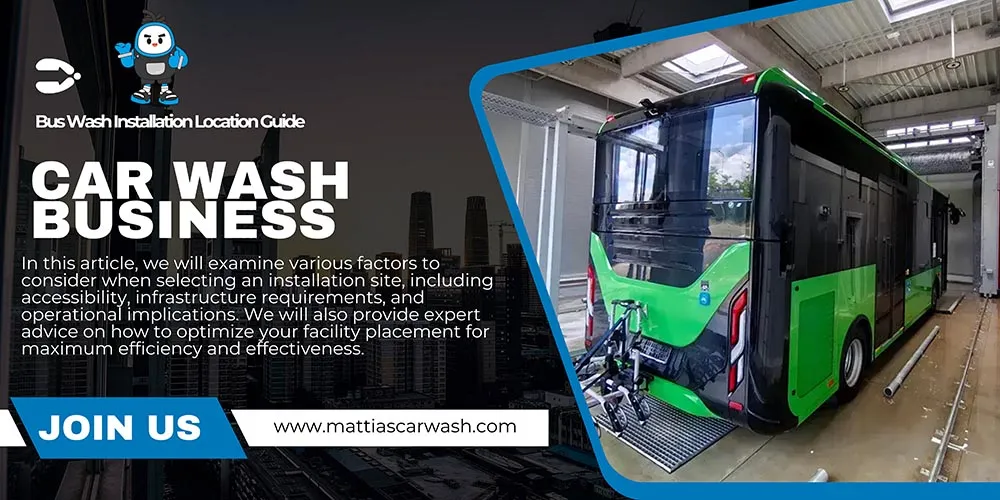
In this article, we will examine various factors to consider when selecting a bus wash installation site, including accessibility, infrastructure requirements, and operational implications. We will also provide expert advice on how to optimize your facility placement for maximum efficiency and effectiveness.
Whether you’re managing a public transit system or operating a private bus transport fleet, this guide will equip you with the knowledge and tools to find the perfect spot for your bus wash installation. So, let’s dive in and discover how you can establish a facility that keeps your vehicles spotless and ready for service.
Importance of finding the perfect spot for your bus wash installation
Establishing your bus wash facility in the optimal location is not only essential for operational efficiency, but it also plays a vital role in ensuring cost-effectiveness and fleet maintenance quality. A strategically positioned bus wash installation not only streamlines your cleaning operations but also helps to maximize vehicle uptime and minimize operational costs. Additionally, proper facility placement can help identify the most efficient cleaning workflows and prevent unnecessary delays in your fleet schedule.Factors to consider when choosing an installation location
When choosing a spot for your bus wash installation, there are several important factors to consider. The first is accessibility. You’ll want to choose a location that is easily accessible and provides enough space for buses to maneuver safely. Look for a spot that has adequate ingress and egress routes and allows for smooth traffic flow without creating bottlenecks in your depot operations. Another factor to consider is infrastructure availability. If you prefer automated bus washing systems, you’ll want to choose a spot that has access to reliable utilities including water, electricity, and drainage systems. On the other hand, if you’re planning a manual wash facility, you’ll need to ensure that you have adequate space for equipment storage, as well as proper ventilation and worker safety considerations.Assessing the space and infrastructure requirements
When assessing the space and infrastructure requirements of a potential installation spot, there are a few key things to keep in mind. First, consider the size of your bus fleet and typical vehicle dimensions. Make sure the spot you choose is large enough to accommodate your largest buses comfortably. You’ll also want to ensure that there is enough space surrounding the wash area for queuing vehicles and maintenance access. Next, consider the foundation and utility requirements for your installation. Ideally, you’ll want to choose a spot with stable ground conditions and existing utility access, such as water lines, electrical service, and drainage systems. This will provide a solid foundation for your bus wash equipment and reduce installation costs significantly.Depot Integration Considerations
For many transit operators, the most logical location for bus wash installation begins at the main depot or maintenance facility. This central location allows for seamless integration with existing fleet operations and maintenance schedules. Buses can be routed through the wash facility during routine depot activities, maximizing efficiency and minimizing deadhead miles.Strategic Fleet Access Points
Bus depots and maintenance yards along operational routes are ideal locations for wash facility installation. These sites often have existing infrastructure and provide convenient access for fleet vehicles. Many facilities benefit from centralized wash operations that can serve multiple route terminals efficiently. Automatic Bus Wash Systems: For operators seeking maximum efficiency, automated bus wash installations offer consistent cleaning results with minimal labor requirements. These facilities require precise positioning to accommodate bus approach angles and clearance requirements. Self-Service Wash Bays: Facilities preferring hands-on cleaning operations can utilize manual wash bay installations equipped with pressure systems and cleaning supply storage. These installations provide flexibility for customized cleaning protocols based on vehicle condition and service requirements.Environmental considerations for your bus wash installation
When planning your bus wash installation, it’s important to consider the environmental impact of your facility operations. Avoid installing your facility in areas where runoff could impact natural water sources, as wastewater from cleaning chemicals and detergents can harm the environment. Instead, choose a location with proper drainage systems or plan for a wash facility that includes water reclamation and treatment capabilities. Additionally, be mindful of water consumption and waste management during the planning process. Consider installing water recycling systems and environmentally friendly cleaning chemical dispensers to minimize your facility’s environmental footprint. This not only helps to conserve resources but also reduces your overall operational costs.Safety precautions to consider for your bus wash installation
Safety should always be a top priority when planning your bus wash installation. Before finalizing your location, make sure to assess potential safety hazards and plan appropriate safeguards. Consider factors such as vehicle approach angles, pedestrian walkways, and emergency access routes. Ensure adequate lighting and visibility throughout the facility. It’s also important to plan for proper utility isolation and emergency shutdown systems. Install appropriate safety barriers and warning systems to protect both operators and maintenance personnel. Additionally, be aware of any overhead clearance requirements and ensure that your installation spot can accommodate your tallest vehicles safely.Infrastructure and equipment needed for your bus wash installation
To effectively establish your bus wash facility, you’ll need to plan for various infrastructure and equipment requirements. Here are some essential elements you should consider:- Water supply system: A reliable water supply with adequate pressure and volume is essential for effective bus washing operations. Plan for both fresh water supply and potential reclaim water systems.
- Drainage and treatment systems: Proper drainage infrastructure is crucial for managing wastewater and preventing environmental contamination. Consider installing oil-water separators and treatment systems as required by local regulations.
- Electrical infrastructure: Your wash facility will require adequate electrical service for pumps, controls, lighting, and any automated equipment. Plan for both standard power and emergency backup systems.
- Equipment foundations: Wash equipment requires stable, level foundations designed to handle equipment loads and vibration. Plan for concrete pads and proper equipment anchoring systems.
Step-by-step guide to selecting your bus wash installation location
Now that you understand the key considerations, let’s walk through a step-by-step approach to selecting your installation location:- Site survey: Conduct a thorough assessment of potential locations, evaluating space, accessibility, and existing infrastructure.
- Traffic flow analysis: Analyze how buses will approach, queue, and exit the wash facility to ensure smooth operations without disrupting other depot activities.
- Utility assessment: Evaluate existing utility availability and calculate requirements for water, electricity, drainage, and any specialty systems.
- Regulatory review: Check local zoning requirements, environmental regulations, and building codes that may impact your installation.
- Cost analysis: Compare installation costs, ongoing operational expenses, and potential efficiency gains for each location option.
- Future planning: Consider how your installation location will accommodate future fleet growth or technology upgrades.
Maintenance considerations to keep your bus wash installation operating efficiently
Proper location selection is just one part of establishing a successful bus wash facility. Here are some additional considerations to ensure long-term operational success:- Access for maintenance: Choose a location that allows easy access for equipment maintenance and service. Regular upkeep of wash systems is essential for consistent performance.
- Spare parts storage: Plan for adequate storage space near your installation for cleaning supplies, replacement parts, and maintenance equipment.
- Operational monitoring: Select a location that allows for proper oversight of wash operations and quality control. Consider visibility from dispatch or maintenance areas.
- Expansion capability: Choose a spot that allows for future facility expansion or equipment upgrades as your fleet grows or technology advances.