










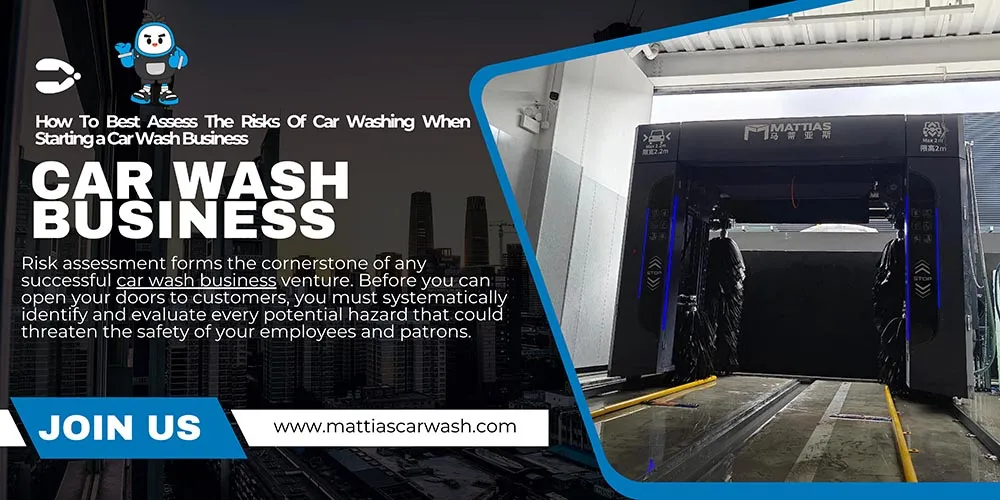

Risk assessment forms the cornerstone of any successful car wash business venture. Before you can open your doors to customers, you must systematically identify and evaluate every potential hazard that could threaten the safety of your employees and patrons. This is not merely a bureaucratic exercise – it is a legal requirement that protects your business from liability and ensures smooth operations from day one.
What does a comprehensive risk assessment entail?
Put simply, you must examine every aspect of your car wash operation to identify where dangers might lurk. This means scrutinising each piece of equipment, every work station, customer interaction point, and operational procedure. You cannot approach this task casually or rely on guesswork. The severity of each identified risk must be properly evaluated, and appropriate control measures must be implemented before operations commence.
Identifying equipment-related hazards
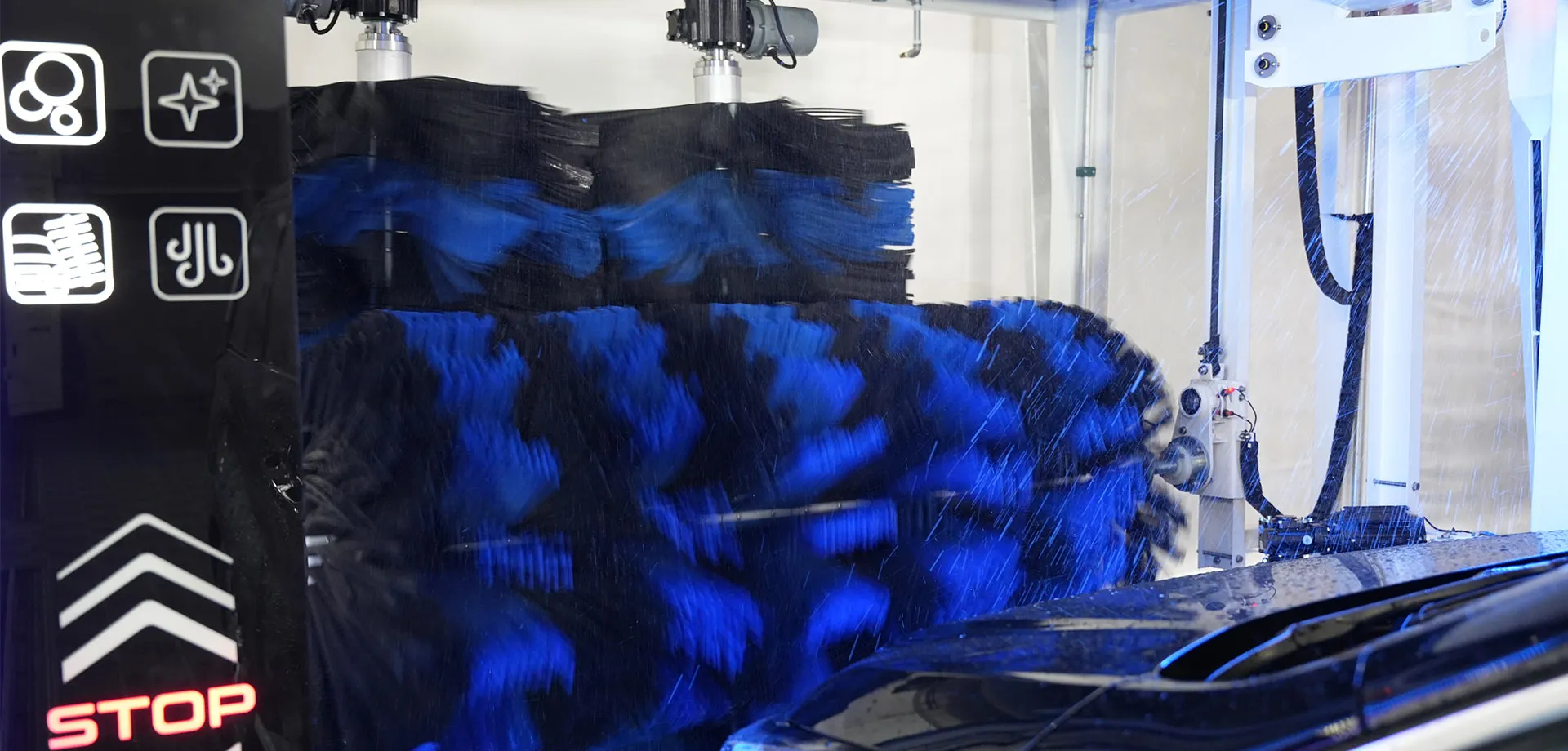
A car wash machine presents numerous safety challenges that demand careful attention. Moving parts such as brushes, conveyors, and automated systems create potential crushing and shearing points that could cause serious injury. High-pressure water systems pose risks of cuts and eye injuries if not properly controlled. Chemical dispensing equipment must be evaluated for its potential to leak and associated exposure risks. The professionals conducting your assessment will identify these hazards and specify the protective measures required, whether through physical guards, emergency stops, or restricted access zones.

Assessing workplace environment risks
The car wash environment itself presents unique challenges that must be thoroughly evaluated. Wet surfaces throughout the facility create significant slip hazards, particularly where soap and cleaning chemicals are present. You must assess drainage systems, floor materials, and traffic patterns to determine where anti-slip measures are needed. Ventilation systems require evaluation to ensure adequate air quality, especially in enclosed washing bays where chemical vapours may accumulate. Lighting levels must be assessed to ensure visibility is sufficient for safe operations in all areas.
Chemical safety evaluation
The cleaning chemicals fundamental to your operation pose serious health risks if not properly managed. Your risk assessment must catalogue every chemical product you intend to use, from basic detergents to specialised treatments. Each product’s safety data sheet must be reviewed to understand potential health effects, required protective equipment, and emergency procedures. Storage requirements, mixing procedures, and disposal methods all require careful evaluation. You must assess how employees will handle these materials and what training they will need to work safely.
Customer safety considerations
Your customers face their own set of risks that you must identify and address. Vehicle positioning systems must be assessed for entrapment risks. Customer waiting areas require evaluation for slip hazards and adequate protection from equipment. Signage and communication systems need assessment to ensure customers understand safety procedures. Emergency evacuation procedures must be developed and tested before opening.
Staff safety and training requirements
Your employees represent both your greatest asset and your greatest liability. The risk assessment must identify what personal protective equipment each role requires, from waterproof clothing to respiratory protection. Work procedures must be evaluated to minimise exposure to hazards. Training programmes require development to ensure every employee understands the risks they face and how to work safely. You must establish systems for ongoing safety monitoring and regular refresher training.
Documentation and compliance
Proper risk assessment generates substantial documentation that becomes the foundation of your safety management system. Every hazard identified, every control measure implemented, and every training session delivered must be recorded. This documentation proves compliance with legal requirements and provides the basis for insurance coverage. Regular review schedules must be established to ensure your risk assessment remains current as your business evolves.
Summary: Foundation for safe operations
Thorough risk assessment before opening your car wash business prevents accidents, protects your investment, and ensures legal compliance. It identifies the hazards inherent in your operation and guides the implementation of appropriate control measures. While the process requires professional expertise and cannot be undertaken lightly, it provides the solid foundation upon which a successful and safe car wash business can be built. Take this responsibility seriously – your employees, customers, and business success depend on it.