










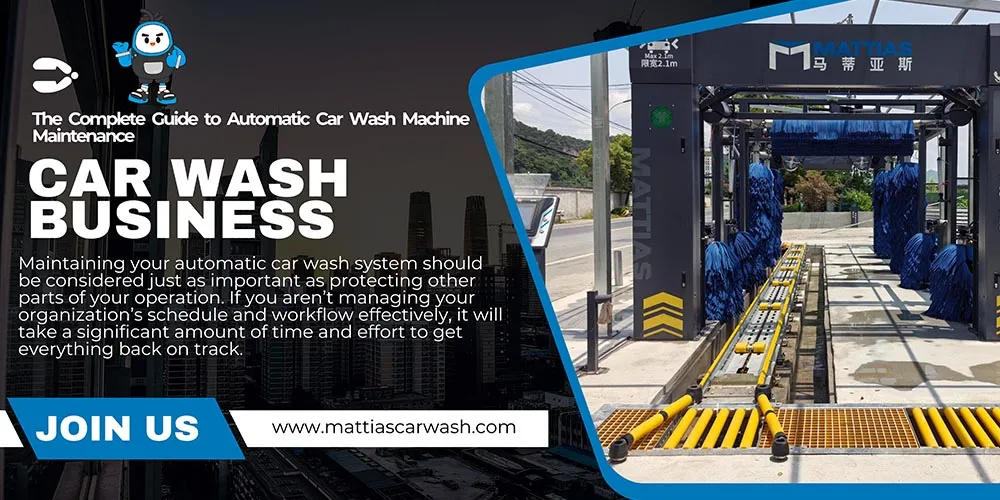

Maintaining an automatic car wash machine system should be treated with the same importance as protecting other parts of your operations. If you don’t manage your organisation’s schedule and workflow well, it will take a lot of time and effort to get everything back on track.
Similarly, if you don’t maintain your automatic car washing machine, it will gradually deteriorate over time, and repair costs will increase. Whether it’s your internal team monitoring, your car wash machine supplier’s account manager checking in, or both, regular maintenance of your equipment will reduce your downtime.
While no type of equipment or system can be completely maintenance-free, you can certainly limit maintenance requirements by selecting the right wash for your fleet. This essentially boils down to a basic concept: minimising the number of moving parts.
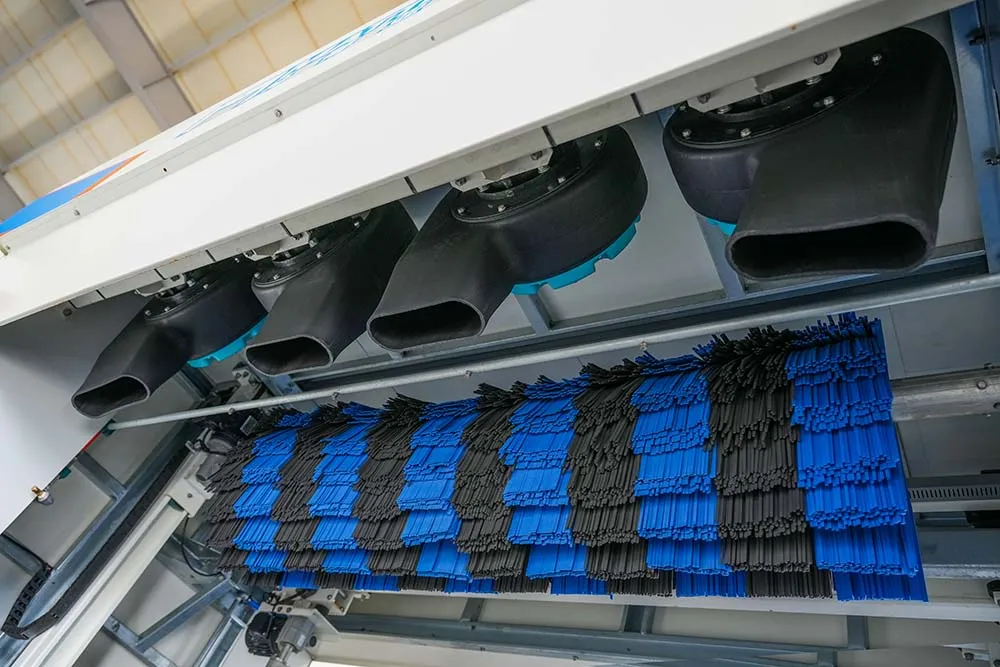
That said, drive-through contactless car wash systems typically require less maintenance than systems with brushes or gantry systems.
However, even if your washing system uses brushes, maintaining it is not entirely within your control. The system manufacturer will handle many aspects of maintenance, especially if they include account management as a standard practice—ensuring your long-term success.
Fortunately, we have compiled the essential information you need to know about maintaining an automatic washing system below, so you won’t have to undergo major repairs every year.
Conduct Regular Maintenance Inspections
Ideally, you want to complete an inspection of the system at least once per week. But at the very least, you should be doing it at least once per month. This will prevent any small issues from turning into expensive big issues.
There are two main types of wash system inspections you should conduct regularly:
- Drive-thru
- Walk-thru
Drive-thru Inspections
The quickest type of inspection is a drive-thru inspection. This can be done while in a vehicle or while watching a vehicle drive through the wash. Some of the things you will look for are:
- Clogged nozzles
- Nozzle spraying patterns
- Correct spinner rotation
- Timing of the equipment
- Pace light sequencing
Walk-thru Inspection
This inspection is commonly done once per week or bi-weekly. During this inspection, you are focusing on the individual parts of the system. Some of the things you will look for are:
- Soap dilution ratios
- PSI and GPM for the rinse pump
- Air pressure to the equipment
- Checking for soap or water leaks
- Check the salt level in the water softener brine tank
- Check the water heater temperature
- Wash Counts
- Soap Levels
Be Proactive About Resolving Maintenance Issues
Many different situations arise that can cause maintenance expenses to grow. Just like any piece of equipment, including your vehicle, some expenses are preventable while others are normal wear and tear.
When picking the car wash that is right for you, know that some features are much more expensive to maintain than others.
Here are some of the features that require much more maintenance and will cost more every year to keep operating properly:
- Rollover car wash machines: A gantry-style wash has many moving parts and typically will cost much more to maintain than a drive-thru system, as there are more places for something to wear or go wrong.
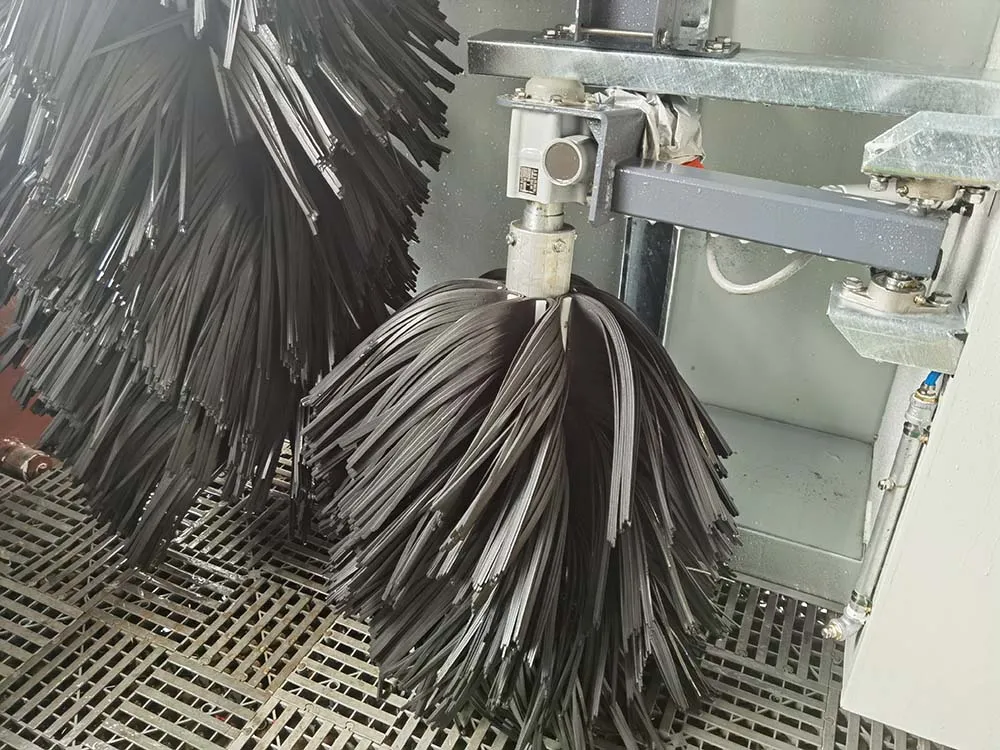
- Standard wash systems: Most systems contain brushes and will need to be regularly greased and adjusted to ensure it is working properly. As a brush module ages, the bristles will shorten until they have to be replaced. Also, if it uses a chain drive system, it will need to be adjusted regularly to account for stretch in the chain.
- Water reclamation systems: A wash that utilizes a water reclamation system will need to be regularly cleaned. The systems typically use some sort of settling tanks that allow for sediment to fall out of suspension. As these tanks fill up with sediment, the system loses its ability to clean water as efficiently. Depending on the types of vehicles and the level of dirt on them, the tanks will need to be emptied from monthly to quarterly.
While there are a number of things your wash system manufacturer should be responsible for, there are still a number of ways you can protect your automated wash system. You can avoid most major repairs by quickly identifying small issues and properly addressing them before they become large issues.
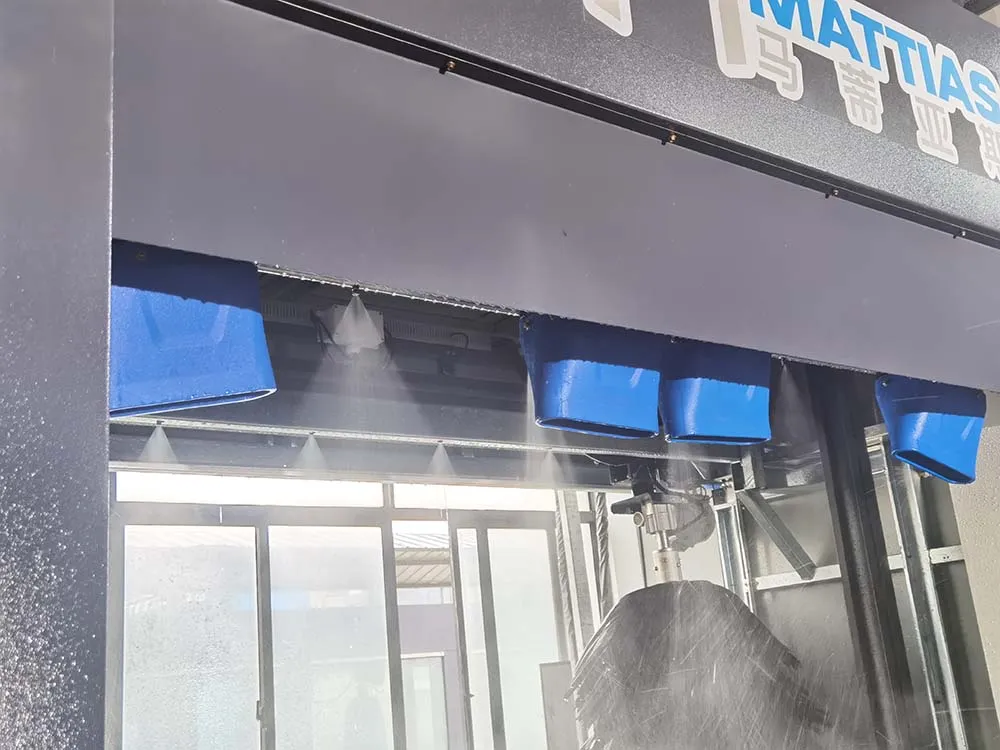
For example, cleaning clogged nozzles immediately prevents heavy-duty detergents from crystallizing in the manifolds and plugging the entire detergent arch. By spending a couple of minutes cleaning the nozzles, you will prevent spending hours cleaning an entire section.
What you can take care of yourself:
- Greasing motors
- Cleaning clogged nozzles
- Adding salt to the water softener system
- Replacing check valves on the detergent system
- Installing new seals on detergent dilution pumps
- Cleaning filters for detergent systems
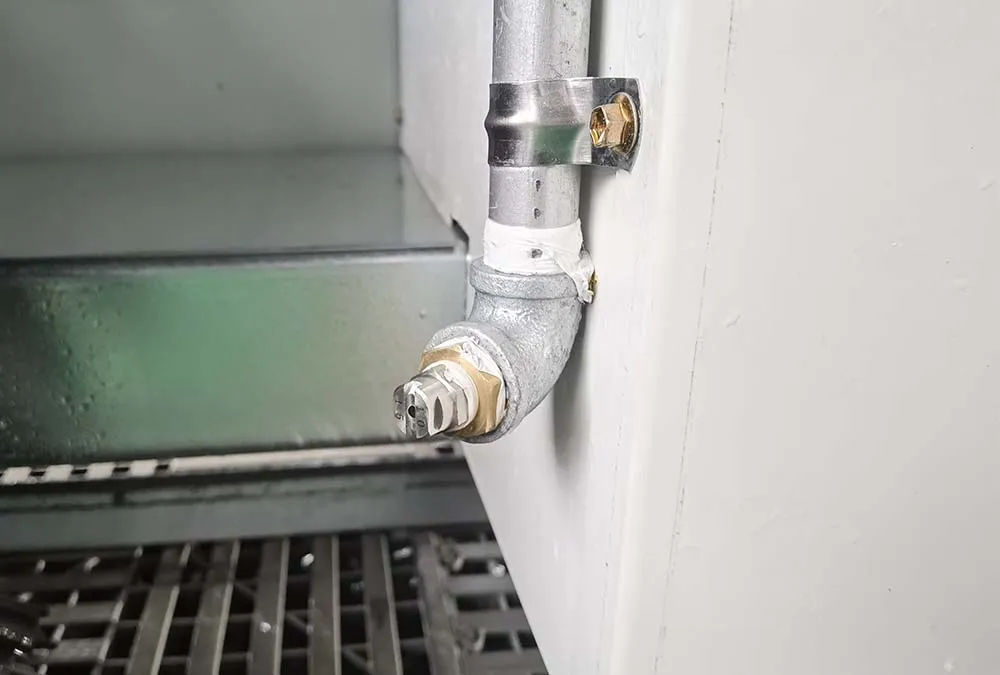
How To Maintain Your Wash Bay Walls And Equipment
The wash bay walls will become dirty throughout the year with a combination of dirt, grease, vehicle exhaust, and detergent residue. The walls are typically cleaned annually using an aggressive low-pH wash tunnel cleaner.
Wash bay equipment should be designed to withstand the corrosive effects of a wash bay. However, even with the best equipment, you will still have parts that need to be treated and/or replaced.
- Overhead Door Motors – Even the best overhead door motors will typically only last around 5 years if left in a wash bay. We always recommend that overhead door motors be jack shafted into an adjacent equipment room. This will easily more than double their life expectancy.
- Electrical Conduit – At Mattias Car Wash Systems, we always recommend that electrical conduits be PVC. PVC conduits will typically last the longest and do not corrode like all of the rest.
- Electrical boxes – Electrical boxes should all be NEMA 4 rated to prevent water intrusion.
- Fasteners and Unistrut – Stainless steel is often the best option to prolong life.
Why It’s Important to Keep Spare Parts
It may seem obvious to have spare parts on hand in case something needs to be replaced. These can vary based on the level of importance you have in not allowing for downtime.
A car wash that is designed to clean an over-the-road fleet can be down for a couple of days without undue stress on the company.
However, a biosecurity car wash that is needed to prevent the spread of viruses from farm to farm does not have the luxury of being down for more than hours or a day max.
So a wash that can not be down for long will have to keep many more parts on hand to quickly repair any issues.
Common Spare Parts
- Nozzles
- Nozzle fittings
- Valves
- Hoses
- Solenoids
- Air Cylinders
What to Look for in an Automated Wash System Partner
When it comes to low-maintenance automated car wash systems, it comes down to one basic concept: limiting the number of moving parts. Depending on your fleet’s needs, you may also want to prioritize a wash that can run even if there is an occasional problem requiring a section to be turned off.
This will not only limit your repair costs but also make it easier to maintain the whole system and keep it running without issue.
Another important factor to consider is partnering with a supplier that manufactures both the equipment and the detergent. This holds one company liable if the wash isn’t performing correctly. Mattias Car Wash Systems uses its own IoT system to assign a remote configuration to each automated car wash, responsible for regular inspections and maintaining regular communication to help keep your system running smoothly. We even repair and optimise your existing system—even if it’s not ours.
But at the end of the day, if you inspect your system regularly, keep an inventory of spare parts handy, and ensure you have someone available to help with the quick fixes listed above, you will notice a significant decrease in downtime and an increase in the lifespan of your automated wash system.