


The vision of launching a thriving car wash business often begins with selecting the ideal site. Once that critical decision is made, the next monumental step involves transforming that plot of land or existing structure into a fully functional, revenue-generating facility. This stage, encompassing construction or retrofitting, represents a significant portion of the total startup capital and demands meticulous planning and execution. The costs associated with facility construction or an extensive retrofit can range dramatically, from a conservative $100,000 to well over $1 million, with most typical car wash facilities commanding between $150 and $300 per square foot for their specialized build-out or modification. Understanding the intricacies of these expenditures is paramount for any prospective car wash owner or investor aiming to build a resilient and profitable enterprise.
This in-depth guide will delve into the financial realities of both new construction and retrofitting, examining the various components that contribute to these costs. We will explore the distinct advantages and challenges of each approach, highlight the indispensable specialized requirements unique to car wash operations, and equip you with the knowledge needed to budget effectively for this crucial phase of your business development.
The Path of New Construction: Crafting from the Ground Up
Opting for new construction provides an unparalleled opportunity to design a car wash facility from scratch, optimizing its layout for maximum operational efficiency, cutting-edge equipment integration, and seamless customer flow. This “blank slate” approach allows for precise control over every detail, ensuring the facility meets all modern standards for environmental compliance, technological advancement, and aesthetic appeal, ultimately reflecting the owner’s exact vision.
Cost Breakdown for New Construction:
A standard new car wash facility, typically spanning 3,000 to 4,000 square feet, can expect construction costs to range from approximately $450,000 to $1.2 million, or even higher, depending on geographical location, quality of materials, and complexity of the chosen car wash model (e.g., express tunnel vs. multiple in-bay automatics). The average construction cost of an express car wash tunnel building is between $750,000 and $1.5 million. This comprehensive investment covers a multitude of essential components:
-
Site Preparation and Earthwork: Even with an acquired piece of land, initial preparation is required. This involves clearing vegetation, grading the site to establish proper elevations for drainage, excavation for foundations and utility trenches, and ensuring proper compaction. This phase can be particularly costly if significant earth-moving is required, or if unforeseen conditions like rock formations or unstable soil are encountered.
-
Foundation Work: Car wash facilities demand robust foundations to support heavy machinery, resist dynamic loads from moving vehicles and equipment, and provide stable platforms. This includes poured concrete slabs, extensive rebar reinforcement, specialized equipment pads (e.g., for wash arch assemblies or vacuum pedestals), and trench drains within the wash bays themselves. A thick, reinforced concrete slab, typically 8 to 12 inches thick with specialized water control barriers, is standard.
-
Structural Elements: The building’s skeletal framework, comprising steel beams, columns, and often reinforced masonry or pre-cast concrete walls, must withstand a corrosive environment. For express tunnel car washes, longer clear spans are often required to accommodate conveyor systems, adding to structural steel costs. Roof trusses, designed to support heavy overhead equipment like drying systems or reclaim units, are also crucial.
-
Roofing: High-performance, chemical-resistant roofing materials are essential to endure moisture, chemicals, and potentially heavy snow loads or high winds, depending on the climate. Pitched roofs or membrane roofs designed for longevity and minimal maintenance are commonly used, alongside robust gutter and downspout systems for effective water runoff.
-
Exterior Finishes (Façade): The exterior façade is the primary visual element attracting customers. It can range from basic painted block to more elaborate combinations of brick, stucco, metal panels, and large glass storefronts. Incorporating distinct architectural features, branding elements, and high-quality signage significantly impacts curb appeal and overall costs. For an attractive new building, these elements are typically carefully planned.
-
Basic Interior Finishing & Layout: Within the car wash bays, materials must be incredibly durable and chemical-resistant. This includes epoxy-coated floors, fiberglass reinforced panels (FRP) on walls, durable ceiling systems designed to withstand moisture, and specialized, high-intensity LED lighting suitable for wet environments. Beyond the wash tunnel itself, spaces like control rooms, small customer waiting areas, restrooms, and chemical storage rooms will require basic office-grade finishes.
-
Utility Infrastructure (Initial Installation): Extensive and specialized utility connections are a hallmark of car wash construction. This includes high-volume water lines, large-capacity sewer lines with pre-treatment features (e.g., grit and oil separators), robust three-phase electrical systems to power heavy equipment, and gas lines for heating water or facilities. Connecting to the main utility grids, particularly for high-capacity systems, involves significant trenching, piping, wiring, and often costly “tap fees” charged by utility providers.
-
Architectural and Engineering Fees: Designing a modern car wash facility requires a team of specialized professionals. Architects ensure aesthetic appeal and functional layout. Structural engineers confirm the building’s integrity under specific loads. Civil engineers handle site drainage, grading, and traffic flow. Mechanical, electrical, and plumbing (MEP) engineers design the intricate utility systems, which are crucial for car wash operation. These fees typically account for 5-15% of the total construction cost.
-
Permits and Inspections: Navigating the regulatory landscape involves numerous permits—building, electrical, plumbing, mechanical, environmental, stormwater, and often specific local use permits for car wash operations. Each permit incurs fees and requires rigorous inspections throughout the construction process, ensuring compliance with local, state, and federal codes. These can add tens of thousands of dollars to the project.
New construction offers the advantage of tailoring every aspect to the car wash business model, often leading to a more efficient and visually appealing facility. However, it requires a larger initial capital outlay and typically a longer project timeline compared to retrofitting.
The Retrofit Approach: Revitalizing Existing Structures
For many entrepreneurs, repurposing an existing building for a car wash can offer a more budget-friendly and faster route to market. Retrofitting can potentially reduce construction costs by 20-40% compared to new construction, translating into significant initial savings. Conversion costs for an existing building typically range from $100,000 to $400,000, heavily dependent on the building’s current condition, size, and the extent of modifications required.
Ideal Candidates for Retrofitting:
Certain types of commercial properties lend themselves particularly well to car wash conversions due to their existing infrastructure:
-
Former Gas Stations: Often possess existing canopy structures, extensive concrete pads, underground storage tank removal sites (which need to be correctly addressed if any tank or contamination is found from the former usage), and some plumbing and electrical systems, although often not sufficient for modern car wash needs.
-
Quick-Lube Facilities: Feature pits or bays that can potentially be adapted, as well as some heavy-duty flooring and drainage.
-
Automotive Service Centers/Repair Shops: Share many of the structural characteristics, heavier floors, and basic utility infrastructure (like water, electric) necessary for an automotive business, often making them good candidates.
-
Retail/Warehouse Spaces: Can sometimes be repurposed if the shell is structurally sound and provides adequate clear height and column spacing.
Key Modifications and Associated Costs in a Retrofit:
Even ideal candidates require extensive modifications to meet the stringent demands of a car wash operation:
-
Structural Modifications: Existing walls might need to be removed to create clear spans for equipment, especially in tunnel washes. Beams or columns might need reinforcement or relocation. New openings for large overhead doors must be created. Any non-load-bearing internal structures are typically removed to maximize functional space.
-
Flooring and Drainage System Installation: This is perhaps the most critical and often costly aspect of retrofitting. Most existing buildings will not have the heavy-duty, reinforced concrete slab required for car wash equipment and continuous water flow. Significant demolition of existing floors may be necessary to pour new chemical-resistant concrete slabs with integrated trench drains, water collection sumps, and deep pits for capturing debris and allowing for water recycling equipment. This involves major concrete work, specialized waterproofing, and potentially excavating underground.
-
Plumbing and Water Infrastructure Upgrades: Car washes are enormous consumers of water and require high-volume incoming lines, as well as sophisticated wastewater management. Existing plumbing systems in non-automotive buildings are almost certainly insufficient. Retrofitting entails installing larger diameter supply lines, extensive new drainage piping (often multiple drain points and routes), and connecting to specialized treatment systems. Existing grease traps may need significant upgrading for car wash needs.
-
Electrical System Upgrades: Modern car wash equipment requires substantial and specialized electrical power, often necessitating a three-phase power supply and large amperage capacities. Existing electrical panels and wiring in older buildings or non-automotive uses are rarely adequate. A complete overhaul or significant upgrade of the electrical service entrance, new wiring, and dedicated circuits for wash equipment, dryers, and lighting are common requirements.
-
HVAC and Ventilation: While a primary HVAC system might exist, specific ventilation for managing humidity, preventing mold, and exhausting chemical fumes in the wash bay areas is essential. This often involves installing powerful exhaust fans, louvers, and sometimes specialized climate control systems for customer-facing areas.
-
Environmental Upgrades: Existing buildings might lack the environmental safeguards necessary for a car wash. This includes installing oil/water separators, sediment removal systems, and ensuring proper tie-ins to sanitary sewer lines (or industrial waste lines, if available) after pre-treatment. Remediation of any environmental legacy from prior uses, such as leaking underground storage tanks (LUST) from former gas stations, can be extremely costly and delay project timelines.
-
Exterior Aesthetics and Branding: To attract customers, a retrofitted building often requires significant facade improvements. This could involve new siding, masonry, modern windows, an inviting entry, and extensive, branded signage and lighting to convey a fresh, professional appearance that stands apart from its former life. Landscaping improvements are also crucial for curb appeal.
Retrofitting can offer speed and cost savings, but it often comes with the challenge of adapting a rigid existing structure to a new purpose, potentially leading to unforeseen complications and design compromises.
Indispensable Specialized Requirements: Adding to the Cost
Regardless of whether you choose new construction or a retrofit, car wash facilities have specific operational and environmental requirements that significantly contribute to the overall construction budget. These aren’t optional; they are critical for functionality, durability, compliance, and profitability.
-
Heavy-Duty Drainage Systems: Far beyond standard commercial drains, car washes need sophisticated systems to manage thousands of gallons of water, dirt, mud, and chemicals daily. This includes:
-
Trench Drains: Running the length of wash bays, covered with grates, designed for high volume capture.
-
Oil/Water Separators: Crucial for separating hydrocarbons (oil, grease) from wash water before discharge to the sewer, a legal requirement in most jurisdictions. Installation alone can cost tens of thousands.
-
Sump Pits and Sludge Pits: Located beneath drains to collect solids (dirt, sand) before water enters treatment systems, requiring regular clean-out.
-
Corrosion-Resistant Materials: All piping, grates, and components must be made of materials that can withstand a constant stream of water and corrosive chemicals (e.g., PVC, stainless steel, fiberglass).
-
-
Water Reclamation Infrastructure: Increasingly vital for both environmental sustainability and cost savings, water reclamation systems treat and reuse wastewater. While an upfront investment, they drastically reduce municipal water consumption and associated utility bills, leading to long-term operational savings. Installing a robust water reclamation system can add anywhere from $30,000 to over $70,000 to construction costs, though it could reduce annual water usage by 60-85%.
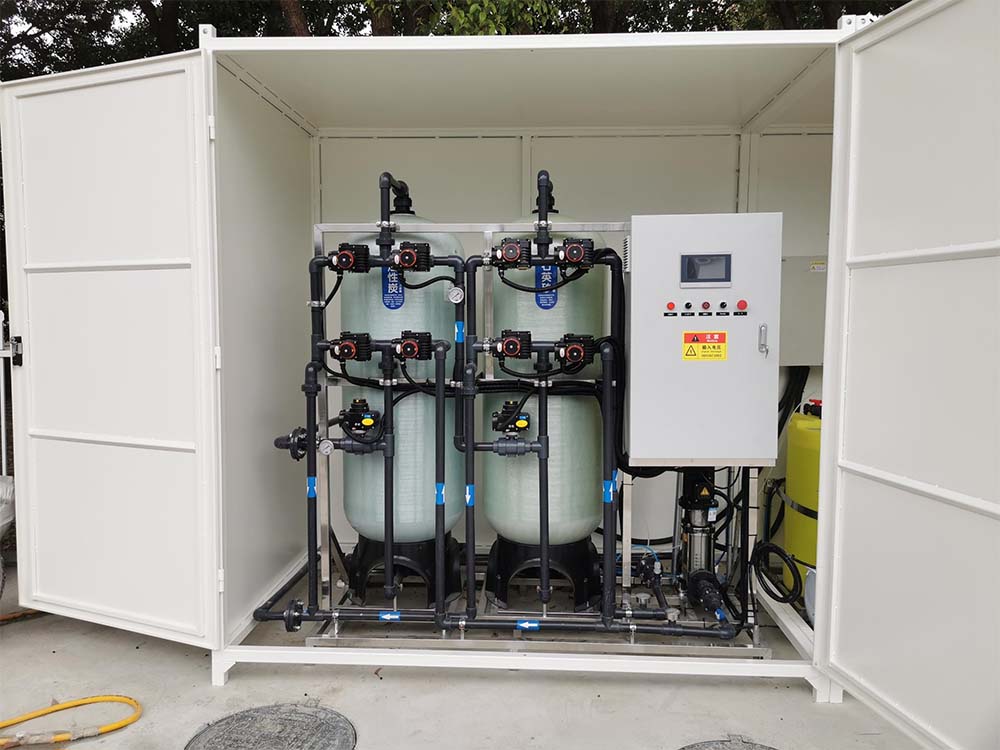
Reclaim 70% of water with zero performance loss. -
Chemical-Resistant Building Materials: The interior of a car wash facility is subjected to a continuous barrage of water, high-pressure cleaning, and caustic or acidic chemicals. Therefore, standard construction materials are often unsuitable. Special finishes are required, including:
-
Epoxy Floor Coatings: Provide a durable, non-slip, chemical-resistant surface.
-
Fiberglass Reinforced Plastic (FRP) Panels or PVC Panels: Applied to walls and ceilings for moisture and chemical resistance, and ease of cleaning.
-
Stainless Steel or HDPE Components: Used for exposed hardware, structural elements, or equipment mounts due to superior corrosion resistance.
-
Specific Sealants and Coatings: Designed to withstand moisture and chemical exposure, protecting the underlying structure.
-
-
Environmental Compliance Features and Fees: Adhering to environmental regulations is non-negotiable and adds substantial costs. This can include:
-
Wastewater Treatment Systems: Beyond simple oil/water separation, some jurisdictions require more extensive wastewater treatment (e.g., pH balancing, biological treatment, filtration systems) before discharge. The cost of such systems can range from $50,000 to $100,000, as indicated, excluding ongoing operational costs.
-
Stormwater Management: Designing the site to manage rainwater runoff, often requiring detention ponds, permeable surfaces, or specific drainage solutions to prevent pollutants from entering natural waterways.
-
Air Quality Permitting: For exhaust fans that vent chemical-laden air, or even for certain types of dryers.
-
Environmental Impact Assessments: Can be required before project approval, adding consultancy fees.
-
-
Acoustic Management: Car wash blowers and vacuums can be noisy. Especially in residential or mixed-use areas, construction might include sound-dampening insulation, strategically placed walls, or other architectural elements to mitigate noise pollution and comply with local ordinances, preventing potential issues with neighbors.
-
Technology Infrastructure: Modern car washes integrate complex payment systems, security cameras, lighting controls, and equipment monitoring systems. This requires robust wiring, network infrastructure, and a secure control room.
Financial Planning and Professional Consultation
Given the complexity and capital intensiveness of car wash construction or retrofitting, a robust financial plan is essential. This should include detailed line-item budgets for every aspect discussed, coupled with a healthy contingency fund (typically 10-15% of the total project cost) for unforeseen expenses.
Engaging a specialized team is not just advisable; it’s almost mandatory:
-
Car Wash Consultants: Expertise in industry best practices, equipment selection, and operational flow.
-
Architects and Engineers (A/E Team): Crucial for designing a facility that is functional, compliant, durable, and visually appealing. Specifically, MEP (mechanical, electrical, plumbing) engineers are critical.
-
Experienced General Contractor: One with a proven track record in commercial construction, ideally with car wash projects, to manage the complexities of specialized requirements.
-
Environmental Consultants and Attorneys: To navigate complex permitting, zoning, and environmental compliance issues.
Conclusion
The journey from a site selection to a fully operational car wash facility is fraught with a myriad of intricate costs and specialized demands. Whether opting for the comprehensive control of new construction (ranging $450,000 to 1.2 million for a typical 3,000−4,000sqftfacility) or the potential cost savings of a retrofit (100,000 to $400,000 for conversion), understanding these expenditures is vital. The need for heavy-duty drainage, advanced water reclamation, chemical-resistant materials, and stringent environmental compliance are non-negotiable aspects that significantly impact the budget, often adding $50,000 to $100,000 or more for wastewater treatment alone.
Investing judiciously in this construction phase ensures the creation of a durable, efficient, and regulatory-compliant asset that will serve your business for decades. Meticulous planning, thorough feasibility studies, and assembling a professional team with specialized car wash experience are the cornerstones of managing these significant costs effectively. Ultimately, the funds allocated to building or renovating your car wash facility are not mere expenses, but strategic investments in the longevity, operational excellence, and ultimate profitability of your enterprise.
Frequently Asked Questions (FAQs) about Car Wash Construction and Retrofit Costs
1. How much does it typically cost to construct a new car wash facility from the ground up?
A standard new car wash facility, generally 3,000-4,000 square feet, typically costs between $450,000 and $1.2 million to construct. This range accounts for foundational work, structural elements, roofing, interior finishing, and basic utility installations, but does not include land acquisition or specialized equipment costs. Express car wash tunnels may see construction costs between $750,000 and $1.5 million.
2. What is the average cost per square foot for car wash construction or retrofit?
Typical car wash facilities cost between $150 and $300 per square foot to build or retrofit. This is a general guideline, and actual costs can fluctuate based on location, complexity, and materials chosen.
3. How much can I save by retrofitting an existing building compared to new construction?
Retrofitting an existing building can potentially reduce costs by 20-40% compared to constructing a new facility. Conversion costs typically range from 100,000-400,000, depending significantly on the building’s original condition and the extent of modifications required.
4. What types of existing buildings are best suited for a car wash retrofit?
Former gas stations, quick-lube facilities, or automotive service centers often provide ideal retrofit opportunities. These buildings may already possess some advantageous features such as heavy-duty concrete slabs, basic drainage infrastructure, or robust utility connections, which can significantly reduce conversion complexities and costs.
5. What are the most significant “specialized requirements” that add to car wash construction costs?
Key specialized requirements include:
-
Heavy-Duty Drainage Systems: High-volume trench drains, sumps, sludge pits, and specialized oil/water separators are essential and costly.
-
Water Reclamation Infrastructure: Systems to treat and reuse wash water can add 30,000-70,000+ initially but offer long-term savings.
-
Chemical-Resistant Materials: Walls (e.g., FRP panels), floors (e.g., epoxy coatings), and structural components must withstand constant water and chemical exposure.
-
Environmental Compliance Features: Wastewater treatment systems, including advanced filtration and pH balancing, can add 50,000-100,000 to meet regulations.
6. What common challenges or unforeseen costs might arise during a car wash retrofit?
Retrofitting can uncover “hidden” costs, such as:
-
Structural Deficiencies: Requiring unexpected reinforcement or demolition.
-
Insufficient Utility Capacity: Requiring costly upgrades to electrical service, water lines, or sewer connections.
-
Environmental Legacy: Dealing with contamination from prior uses (e.g., old gas station tanks) can trigger expensive remediation.
-
Layout Constraints: The existing building’s footprint might not allow for an optimal car wash layout, potentially compromising efficiency or requiring creative (and sometimes costlier) solutions.
-
Extensive Floor Demolition and Replacement: To install the necessary heavy-duty drainage and chemical-resistant slabs.
7. How much should I budget for architectural, engineering, and permit fees?
Architectural and engineering fees (for structural, civil, and MEP engineers) typically account for 5-15% of the total construction cost. Permit fees vary widely by municipality but can range from several thousand to tens of thousands of dollars, depending on the complexity and scope of the project.
8. Why are heavy-duty drainage and water reclamation systems so crucial and costly?
Heavy-duty drainage is crucial for efficiently managing the large volumes of water and debris generated daily, preventing operational issues and maintaining a safe environment. Water reclamation systems, while costly upfront, are essential for environmental compliance (reducing water discharge volume and pollutants) and for significant long-term savings on water utility bills by reusing up to 85% of wash water.