










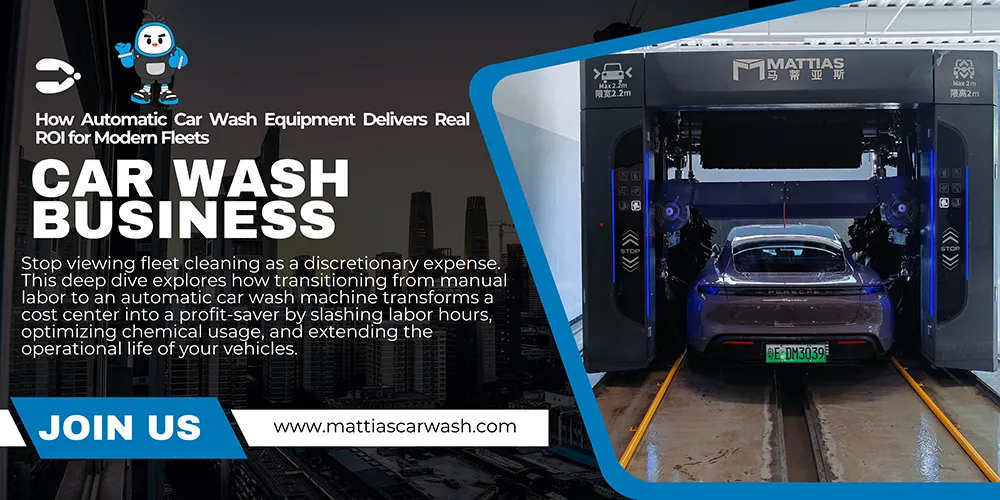

Every fleet owner and facility manager knows that the transportation sector is a game of razor-thin margins. Fuel prices fluctuate, insurance premiums are on a relentless upward trajectory, and maintenance costs are a constant drain on resources. In this high-pressure environment, washing your vehicles often feels like a discretionary expense—a “nice-to-have” that gets pushed to the bottom of the priority list until a client complains or a safety inspection is due.
However, viewing fleet cleaning as a simple cost center is a fundamental strategic mistake. When approached with high-performance automatic car wash machine technology, cleaning transitions from an chore into a cost-saving mechanism. Manual washing is slow, inconsistent, and deceptively expensive when you account for labor, downtime, and resource waste. In contrast, automated vehicle wash systems turn an operational bottleneck into a streamlined, predictable advantage.
This article breaks down the hard financial logic of investing in automated wash equipment. We will explore how switching to automation slashes labor expenses, eliminates utility waste, and protects your most valuable assets, ultimately delivering a compelling Return on Investment (ROI).
1. The Death of the “Labor-Intensive” Wash
The most immediate and dramatic financial impact of an automatic car wash machine is the virtual elimination of variable labor costs. Manual washing is physically grueling and notoriously time-consuming. Whether you are paying drivers to scrub their own vans or employing a dedicated wash crew, you are paying for hours that could be spent on revenue-generating tasks.
The Math of Manual vs. Automated: Consider the numbers for a standard commercial fleet. Cleaning a single van or small truck by hand typically requires 30 to 45 minutes of focused labor.
-
Manual Scenario: If you factor in a fully burdened labor rate (wages, insurance, and benefits) of $25/hour, a single thorough wash costs you approximately $15–$20 in labor alone.
-
Automated Scenario: A high-efficiency automatic car washer completes the same cycle in 3 to 7 minutes. The machine doesn’t require health insurance, doesn’t take breaks, and delivers the same quality at 4:00 AM as it does at noon.
By automating, you reclaim thousands of man-hours per year. For a growing business, this recovery of time translates directly to the bottom line. Minimizing the time vehicles spend in the wash bay is essential for maximizing fleet utilization and overall profitability.
2. Eliminating Resource Waste: Chemicals and Water
Water and chemical consumption are two areas where manual washing is notoriously inefficient. A staff member with a pressure wand is unlikely to be precise; they often overspray, use excessive detergent, or leave the water running while scrubbing a stubborn spot.
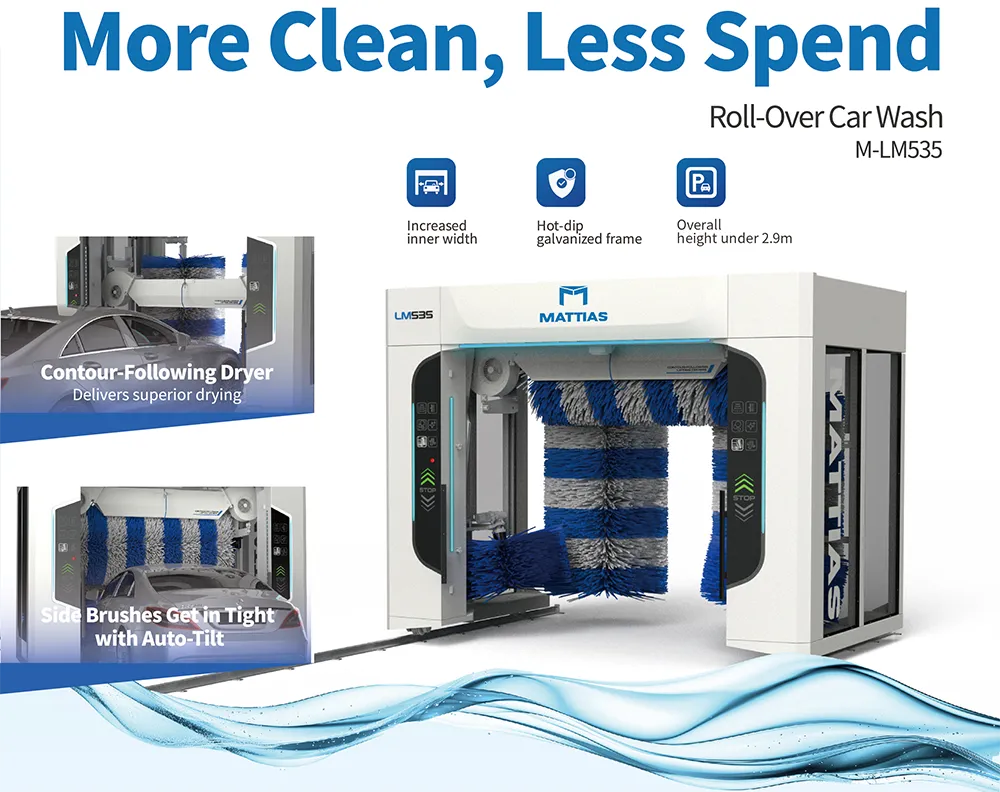
Precision Engineering Saves Money Modern car washing systems utilize computer-controlled dosing pumps and precision-engineered nozzles to ensure every drop of resource is used effectively.
-
Chemical Savings: Automated systems apply the exact programmed amount of detergent required for the vehicle’s surface area. This eliminates the “guesswork” and waste associated with manual chemical mixing, which can lead to a 30% reduction in chemical spend annually.
-
Water Conservation: While high-pressure car wash jets provide superior cleaning power, they are designed for efficiency. When paired with water reclamation technology, a professional car washing bay can recycle a significant portion of its water, drastically lowering utility bills and ensuring compliance with increasingly strict local environmental regulations.
3. Asset Preservation and the Cost of Corrosion
Your vehicles are your primary revenue generators. Protecting them from environmental degradation is not about aesthetics; it is about asset preservation. Road salt, grime, and industrial fallout are aggressive corrosives that attack the chassis, suspension components, and electrical harnesses.
The Hidden Cost of Neglect Replacing a corroded brake line or addressing structural rust on a chassis costs thousands in parts and labor—not to mention the opportunity cost of having that vehicle off the road. Regular, high-pressure undercarriage cleaning—a standard feature of a car wash auto machine—neutralizes these threats before they manifest as mechanical failures.
Higher Resale Value When the time comes to rotate your fleet, the physical condition of the vehicle dictates its secondary market value. A well-maintained vehicle with a documented history of regular cleaning commands a significantly higher price. Think of your automatic car wash machine as an insurance policy for your asset’s residual value.
4. Calculating Your ROI: A Practical Fleet Example
Is the capital expenditure of a machine worth it? Let’s look at a hypothetical ROI calculation for a fleet of 40 vehicles washed twice a week.
Scenario A: Outsourced or Manual Labor
-
Cost per wash (Labor + Materials): $35
-
Annual Washes: 40 vehicles x 104 washes/year = 4,160 washes
-
Total Annual Operating Cost: $145,600
Scenario B: Owning a Mattias Automatic Car Wash System
-
Operational Cost per wash (Water, Electricity, Chemicals): ~$4.50
-
Annual Operational Cost: 4,160 washes x $4.50 = $18,720
-
Note: This excludes initial CapEx and routine maintenance.
-
Annual Operational Savings: $126,880
Even with the initial investment of a high-quality auto wash machine, the payback period is often less than 18 months. Once you cross that break-even point, your wash operation effectively becomes a source of pure savings, insulating your business from the rising costs of labor.
Why Mattias Car Wash Solutions?
At Mattias Car Wash, we don’t just sell equipment; we engineer profitability. Our systems are designed to maximize ROI through:
-
Industrial Durability: Using high-grade stainless steel and robust components, our machines are built to withstand the punishing environment of a high-volume car wash bay.
-
Smart Control Systems: Our intuitive interfaces allow you to monitor usage data, helping you fine-tune chemical dosing and water pressure to further optimize costs.
-
Speed and Throughput: Our systems are engineered for rapid cycles, ensuring your fleet spends more time on the road and less time in the bay.
Conclusion
Investing in automatic car washing equipment is a strategic financial move. It shifts your business away from the unpredictable, escalating costs of manual labor and replaces them with a predictable, efficient, and low-cost internal process.
By slashing labor hours, cutting utility waste, and extending the operational life of your vehicles, an automated system pays for itself with surprising speed. Stop watching your margins disappear into inefficient cleaning methods. Contact Mattias Car Wash today for a customized ROI analysis and see exactly how much your fleet could be saving.
Frequently Asked Questions (FAQ)
1. How long does it typically take to install an automatic car wash machine? Depending on the site preparation and the specific model, installation usually takes between 7 to 14 days. We work closely with your team to minimize downtime during the transition to automated car washes.
2. Can your systems handle different vehicle sizes within the same fleet? Yes. Our vehicle wash systems feature intelligent sensors that detect the dimensions of the vehicle, whether it’s a standard van or a larger commercial truck, adjusting the brush pressure and spray patterns accordingly.
3. What kind of maintenance does an automatic car washer require? Routine maintenance involves checking chemical levels, cleaning nozzles, and inspecting moving parts. Mattias systems are designed for ease of maintenance, and we offer comprehensive service packages to ensure your car wash machines run at peak efficiency.
4. Is it possible to install a water recycling system with the machine? Absolutely. We highly recommend water reclamation systems for high-volume car washing businesses. This can reduce fresh water consumption by up to 80-90%, significantly boosting your ROI.
5. How do I know which car wash system is right for my specific fleet? The “right” system depends on your fleet volume, vehicle types, and available space. We provide a consultation to analyze your specific needs and provide a tailored recommendation for the most cost-effective car wash solutions.