












Why Car Wash Investments Are Gaining Momentum in 2025
The car wash industry continues to demonstrate remarkable resilience and growth potential as we move through 2025. What once seemed like a niche investment opportunity has evolved into a mainstream asset class that’s capturing the attention of seasoned commercial real estate investors and newcomers alike.
Current market projections indicate the professional car wash industry will maintain its steady growth trajectory, with analysts forecasting continued expansion driven by evolving consumer behaviors and technological innovations. The fundamentals remain strong: Americans are driving more than ever, vehicle ownership rates continue climbing, and the convenience economy shows no signs of slowing down.
And while launching your car wash operation might feel overwhelming or capital-intensive as an individual entrepreneur, there are numerous pathways to participate in this growing market — from direct ownership to partnership opportunities and investment vehicles that allow you to capture returns without day-to-day operational responsibilities.
That’s where this comprehensive guide comes in — to break down the opportunities, challenges, and strategic considerations for car wash business investments in 2025, plus actionable steps to get started with your venture.
Is Starting a Car Wash Business Worth It in 2025?
From a fundamental business perspective, car wash investments present compelling opportunities for entrepreneurs and investors alike. The combination of relatively low initial setup costs, predictable cash flow patterns, and scalable business models makes car washes an attractive option for those looking to enter the service industry with strong profit potential.
The numbers tell a compelling story: the North American car wash market continues to dominate global revenue share, with consumer spending on professional car washing services reaching new heights. Recent data shows that over 75% of American drivers now regularly use professional car washing services, representing a significant shift from the DIY approach of previous decades.
Several key trends are driving this sustained growth. Rising disposable income levels mean consumers are increasingly willing to pay for convenience services. The explosion of ride-sharing and delivery services has created a new category of commercial customers who require frequent, professional vehicle cleaning. Additionally, environmental regulations in many municipalities are making home car washing less practical, driving more consumers toward professional services.
The pandemic’s lasting impact has also reshaped consumer preferences in favor of contactless, automated services — a trend that plays directly into the car wash industry’s strengths.
“The car wash business represents one of the most consistent cash-generating service models available today, with the right location and operational approach delivering predictable returns year after year.” – Industry Analysis, Commercial Real Estate Quarterly
Key Factors to Evaluate Before Launching Your Car Wash Investment
Success in today’s car wash industry depends heavily on strategic planning and thorough market analysis. Smart investors and entrepreneurs focus on several critical areas before committing capital to any car wash venture.
Site Selection and Market Analysis
Location remains the single most important factor in car wash success. The ideal site combines high visibility, convenient access, and sufficient traffic volume to support sustained customer flow. Prime locations typically include major retail corridors, shopping centers, and high-traffic intersections, particularly those with limited direct competition within a reasonable radius.
Demographics play a crucial role in site evaluation. Areas with higher median household incomes, significant commuter populations, and dense residential development typically generate stronger car wash demand. Additionally, consider the local vehicle density and age distribution, as newer vehicles tend to receive more frequent professional cleaning.
Climate considerations continue to influence seasonal demand patterns. Northern markets experience increased winter demand due to salt and road treatment chemicals, while southern markets may see reduced activity during extended rainy seasons. Understanding these patterns helps with cash flow planning and operational scheduling.
Zoning compliance and permitting requirements can significantly impact development timelines and costs. Many urban areas have specific requirements for water treatment, noise mitigation, and traffic flow that must be addressed during the planning phase.
The presence of commercial fleets, ride-share operations, and delivery services in your target market can provide a stable customer base beyond individual consumers.
Operational Cost Structure
Modern car wash operations benefit from relatively low ongoing operating expenses compared to many other service businesses. The key is understanding where costs occur and how to optimize them for maximum profitability.
Equipment represents the largest upfront investment, but modern car wash systems are designed for durability and efficiency. High-quality machinery can operate for years with proper maintenance, and many manufacturers offer comprehensive warranty programs that protect against unexpected repair costs.
Utility expenses — primarily water and electricity — constitute the largest ongoing operational costs. However, newer systems incorporate water recycling technology and energy-efficient components that significantly reduce these expenses compared to older installations.
Labor costs vary dramatically based on the service model chosen. Fully automated systems require minimal staffing, while full-service operations need skilled attendants and management oversight. The industry trend strongly favors automated systems for their cost efficiency and scalability.
Industry benchmarks suggest well-operated car washes typically achieve operating expense ratios between 25%-30%, leaving substantial room for profit generation and investor returns.
Technology and Equipment Considerations
The car wash industry has embraced technological innovation to improve both customer experience and operational efficiency. Modern facilities incorporate advanced payment processing, customer loyalty programs, and automated scheduling systems that reduce labor costs while enhancing service quality.
Equipment selection directly impacts both upfront investment and long-term profitability. High-capacity systems can process more vehicles per hour, generating higher revenue potential. However, they also require more sophisticated maintenance and may have higher utility consumption.
Water recycling and chemical management systems not only reduce operating costs but also address environmental concerns that are increasingly important to consumers and regulators. These systems can reduce water usage by up to 80% compared to traditional operations.
Mobile app integration and subscription service models are becoming industry standards, providing predictable revenue streams and improved customer retention rates.
The 5 Car Wash Business Models for 2025
Understanding the different operational models available helps investors and entrepreneurs choose the approach that best fits their capital availability, risk tolerance, and management preferences.
Full-Service Operations
Full-service car washes offer comprehensive interior and exterior cleaning with hands-on attention to detail. These operations typically command premium pricing and can generate strong per-customer revenue.
Service offerings typically include:
- Complete exterior washing and detailing
- Interior vacuuming and cleaning
- Tire and wheel services
- Window cleaning and treatment
- Premium waxing and protection services
Full-service operations require skilled labor, comprehensive insurance coverage, and higher working capital to manage longer service times. While they generate higher revenue per customer, they also involve more complex operational management and higher labor costs.
In-Bay Automatic Car Wash Systems
In-bay automatic systems represent the most common car wash model, where vehicles remain stationary while equipment moves around them. This approach offers an excellent balance of customer convenience and operational efficiency.
These systems require minimal staffing once properly configured and can operate in smaller footprints than tunnel systems. Maintenance requirements are predictable, and the equipment typically has long service life when properly maintained.
The in-bay model continues to dominate market share due to its cost-effectiveness and proven reliability. Customer throughput averages 20-30 vehicles per hour, depending on wash cycle length and equipment configuration.
Express Exterior Tunnel Car Wash Systems
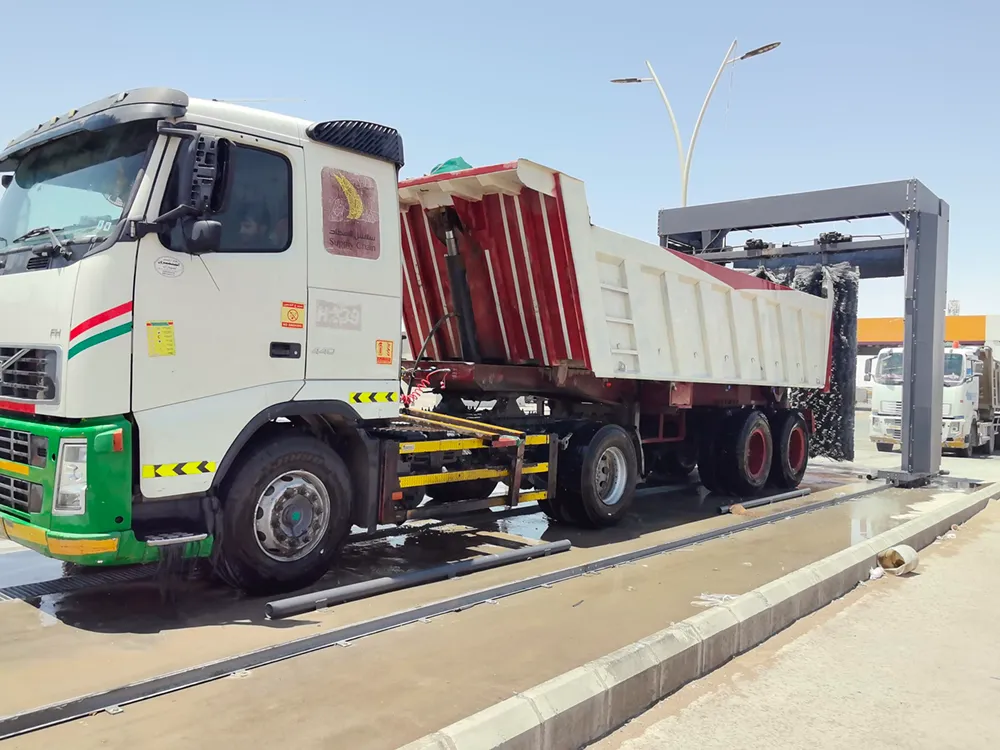
Express tunnel systems use conveyor belts to move vehicles through washing equipment, allowing multiple cars to be processed simultaneously. These systems offer the highest throughput potential and can handle peak demand periods effectively.
Tunnel systems require larger initial investments and more complex installation, but they can process 100+ vehicles per hour under optimal conditions. The high volume potential makes them attractive for high-traffic locations with strong demand.
Regular maintenance becomes more critical due to the higher usage rates, but the per-vehicle operating costs are typically lower than other systems due to economies of scale.
Self-Service Car Wash Bays
Self-service facilities provide customers with access to professional-grade equipment and cleaning products for DIY car washing. These operations have the lowest labor requirements and can be profitable in markets where labor costs are high.
Self-service models work well in markets with cost-conscious consumers and in locations where automated systems may not be practical. They require minimal daily oversight but depend on reliable equipment and consistent customer traffic.
Revenue potential is generally lower than automated systems, but the minimal operational requirements can make them attractive for passive investors or those seeking lower-involvement business models.
Hybrid Service Models
Hybrid operations combine automated washing with optional premium services, allowing customers to choose their desired level of service and price point. This flexibility can capture a broader customer base and increase average transaction values.
These models typically offer automated exterior washing as the base service, with options for interior cleaning, detailing, and premium treatments. The combination approach can maximize revenue per customer while maintaining operational efficiency.

How to Get Started with Your Car Wash Investment in 2025
Entering the car wash industry requires careful planning, adequate capitalization, and a clear understanding of your local market dynamics. Here’s a systematic approach to launching your car wash investment.
Market Research and Feasibility Analysis
Begin with comprehensive market research to understand demand patterns, competition levels, and demographic trends in your target area. This analysis should include traffic counts, competitor pricing, and customer survey data to validate your business concept.
Financial modeling should incorporate realistic assumptions about customer volume, average transaction values, and operating costs. Conservative projections help ensure your investment can weather typical market fluctuations and seasonal variations.
Site Acquisition and Development
Site selection requires balancing location quality with acquisition costs. Prime locations command higher prices but typically generate stronger cash flows. Consider both purchase and lease options, as each has distinct advantages depending on your capital structure and long-term plans.
The development process involves architectural planning, permitting, and construction management. Working with contractors experienced in car wash construction can help avoid common pitfalls and ensure compliance with local regulations.
Financing and Capital Structure
Car wash investments can be financed through various methods, including traditional bank loans, SBA financing, equipment leasing, and private investment. Each option has different requirements and cost structures that should be evaluated based on your specific situation.
Equipment financing is often available directly from manufacturers and can help preserve working capital for operational needs. Many lenders view car wash investments favorably due to their stable cash flow characteristics and tangible asset backing.
Operational Setup and Launch
Successful car wash operations require attention to customer service, equipment maintenance, and marketing. Developing standard operating procedures and training protocols helps ensure consistent service quality and operational efficiency.
Marketing efforts should focus on building awareness in your immediate service area and establishing customer loyalty programs. Digital marketing, local partnerships, and grand opening promotions can help generate initial customer traffic.

Advantages and Challenges of Car Wash Investments
Like any business investment, car wash ventures present both opportunities and risks that must be carefully evaluated.
Investment Advantages
Car wash investments offer several compelling benefits that make them attractive to both active entrepreneurs and passive investors.
Recession-resistant demand: Car washing represents a relatively affordable maintenance service that consumers continue using even during economic downturns. The essential nature of vehicle maintenance helps stabilize demand across business cycles.
Scalable business model: Successful car wash operations can be replicated in multiple locations, allowing investors to build portfolio value through systematic expansion.
Strong cash flow characteristics: Once established, car wash operations typically generate consistent daily cash flow with predictable seasonal patterns.
Asset appreciation potential: Well-located car wash properties often appreciate in value over time, providing both operational returns and capital appreciation.
Portfolio diversification: Car wash investments provide exposure to the service sector and can complement traditional real estate or stock market investments.
Operational Challenges
Understanding potential challenges helps investors prepare for successful long-term operations.
Equipment reliability: Car wash equipment operates in harsh conditions and requires regular maintenance. Unexpected breakdowns can disrupt operations and require significant repair investments.
Weather dependency: Seasonal weather patterns can create significant revenue fluctuations that must be managed through careful cash flow planning.
Competition intensity: The car wash industry’s attractive characteristics also draw competition, requiring ongoing investment in customer service and facility maintenance to maintain market position.
Regulatory compliance: Environmental regulations, zoning requirements, and safety standards create ongoing compliance obligations that must be managed.
Customer acquisition costs: Building a loyal customer base requires ongoing marketing investment and excellent service delivery.
The Investment Outlook for 2025
The car wash industry enters 2025 with strong fundamentals and positive growth prospects. Consumer trends continue favoring convenience services, vehicle ownership remains high, and technological innovations are improving operational efficiency across the industry.
For investors seeking diversification beyond traditional asset classes, car wash investments offer attractive risk-adjusted returns with the potential for both current income and long-term appreciation. The key to success lies in thorough market analysis, careful site selection, and professional operational management.
Whether you’re considering direct ownership, partnership opportunities, or investment in car wash-focused funds, this growing industry presents compelling opportunities for those willing to do their homework and commit to operational excellence.
FAQs about Car Wash Investments
Still have questions about car wash investing? Browse our answers to frequently asked questions below.
Are Car Washes Profitable?
Car washes can certainly be profitable in today’s economic climate. An in-bay automatic car wash, for example, which has the capacity to wash 20,000 cars a year, can generate around a 69% profit margin.
Should I Invest in the Car Wash Industry?
While car washes can be a profitable investment option for many people, whether or not you should invest depends on your individual investment goals. As with any other investment, it’s important to conduct an investment analysis and consider consulting a professional before making any decisions.
What Is the Typical Return Profile of a Car Wash?
The typical return profile of a car wash depends on various factors, including the type of car wash, its location, climate, traffic, operations, and even its position in the capital stack. That said, a well-run car wash has the potential to see a full return in six months to two years.
