










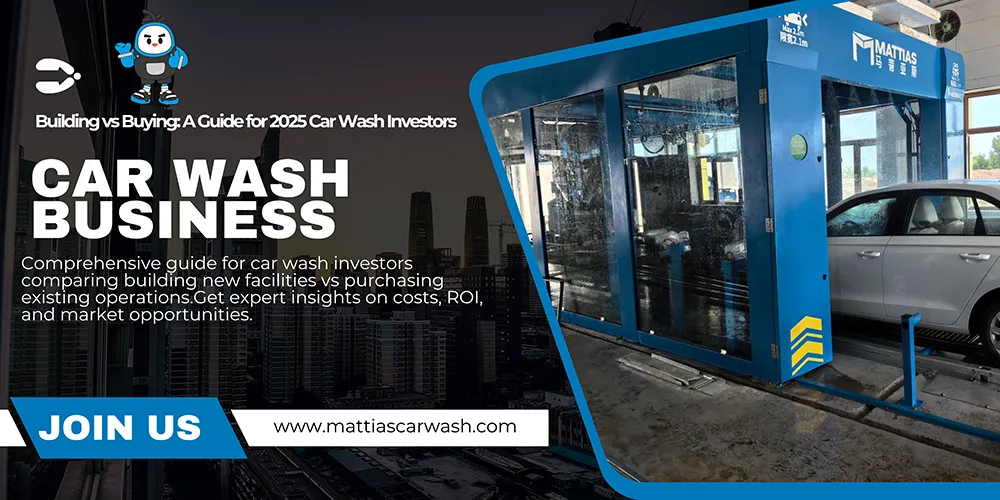

The car wash industry has undergone a dramatic transformation over the past decade, evolving from traditional full-service operations to streamlined express car wash models that prioritize speed, convenience, and affordability. As we navigate through 2025, savvy investors are recognizing the tremendous opportunities within this recession-resistant industry. However, one critical decision stands before every potential car wash investor: Should you build a new car wash from scratch or purchase an existing facility?
You Might Also Like: Car Wash Business Investment 2025: Complete Guide

This comprehensive guide will walk you through every aspect of this crucial decision, providing you with the insights needed to make an informed choice that aligns with your investment goals, budget constraints, and market opportunities. Whether you’re a seasoned entrepreneur or a first-time investor, understanding the nuances of building versus buying will significantly impact your success in the car wash business.
The Current State of the Car Wash Industry in 2025
Market Growth and Opportunities
The express car wash industry continues to experience robust growth in 2025, with market analysts projecting continued expansion driven by several key factors. Consumer preferences have shifted dramatically toward convenience-based services, with busy professionals and families seeking quick, efficient solutions for vehicle maintenance. The subscription model has revolutionized the industry, creating predictable revenue streams that appeal to both operators and investors.
Current market data indicates that the average American washes their car approximately 13 times per year, with express car washes capturing an increasingly larger share of this market. The industry’s resilience during economic downturns has made it particularly attractive to investors seeking stable, recession-resistant business opportunities. Geographic expansion into suburban and rural markets has opened new avenues for growth, as these areas often lack adequate car wash services.
Technology Integration and Innovation
Modern car wash facilities in 2025 leverage cutting-edge technology to enhance customer experience and operational efficiency. Automated payment systems, unmanned functions car wash machines, and advanced water reclamation systems have become standard features rather than luxury additions. These technological advancements not only improve customer satisfaction but also reduce operational costs and environmental impact.
The integration of artificial intelligence and machine learning has enabled predictive maintenance schedules, optimizing equipment performance, and reducing unexpected downtime. Smart water management systems can reduce water consumption by up to 40% compared to traditional methods, addressing environmental concerns while improving profitability. These technological considerations play a crucial role in the building versus buying decision, as newer facilities often come equipped with these advanced systems.
Consumer Behavior and Market Trends
Today’s consumers expect more than just a clean car; they demand an experience that fits seamlessly into their busy lifestyles. The rise of unlimited wash memberships has created a loyal customer base that generates consistent monthly revenue. Environmental consciousness has also influenced consumer choices, with many customers preferring car washes that demonstrate sustainable practices through water recycling and eco-friendly chemicals.
The demographic shift toward younger consumers who prioritize convenience over cost has created opportunities for premium express car wash services. These customers are willing to pay slightly higher prices for faster service, better amenities, and a superior customer experience. Understanding these trends is essential when deciding whether to build a facility that can incorporate the latest consumer preferences or acquire an existing operation that may require updates to meet current expectations.

Building a New Car Wash: The Complete Blueprint
Advantages of Building from Scratch
When you choose to build a new car wash, you’re essentially creating a blank canvas that allows for complete customization according to your vision and market research. This approach offers unparalleled control over every aspect of your facility, from the initial site selection to the final equipment installation. You can incorporate the latest technology, design an optimal traffic flow pattern, and create a brand identity that resonates with your target demographic.
New construction allows you to implement state-of-the-art equipment that maximizes efficiency and minimizes environmental impact. Modern tunnel systems can process vehicles faster while using less water and energy than older models. The ability to design your facility with future expansion in mind provides scalability options that may not be available with existing structures. Additionally, new facilities often qualify for various tax incentives and rebates, particularly those related to energy efficiency and water conservation.
Site Selection and Development Process
The site selection process for a new car wash requires careful analysis of multiple factors, including traffic patterns, demographics, competition, and local regulations. Prime locations typically feature high visibility, easy access from major roads, and sufficient space for queuing vehicles without disrupting traffic flow. The ideal site should accommodate future expansion and provide adequate space for customer amenities such as vacuum stations and retail areas.
Demographic analysis plays a crucial role in site selection, as different locations attract varying customer segments. Suburban areas with high concentrations of families and professionals often provide steady customer bases for subscription-based models. Urban locations may offer higher volume but could face challenges related to space constraints and higher real estate costs. Working with experienced commercial real estate professionals who understand the car wash industry can significantly streamline the site selection process.
Construction Timeline and Challenges
Building a new car wash typically requires 12-18 months from initial planning to grand opening, though this timeline can vary significantly based on location, permitting processes, and construction complexity. The permitting phase often represents the longest and most unpredictable portion of the timeline, as local regulations and approval processes vary widely between jurisdictions. Environmental assessments, traffic impact studies, and utility connections can add months to the development schedule.
Construction challenges commonly include weather delays, supply chain disruptions, and unexpected site conditions that weren’t apparent during initial surveys. Managing these challenges requires experienced contractors familiar with car wash construction and strong project management capabilities. Building during certain seasons may be more efficient, but this must be balanced against market timing and competitive considerations.
Equipment Selection and Installation
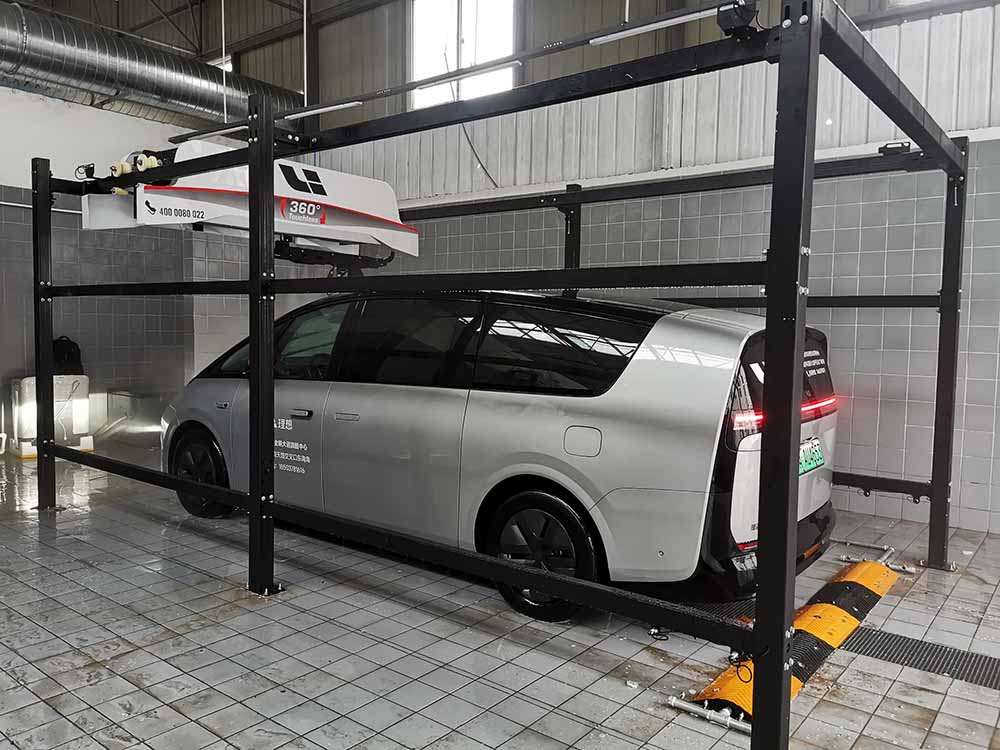
Modern car wash equipment offers numerous options for customization based on your target market and service level preferences. Tunnel car wash systems from leading manufacturers provide different throughput capabilities, wash quality levels, and maintenance requirements. The choice between friction and touch-free systems depends on your market research and customer preferences, with each option offering distinct advantages.
Equipment selection should consider not only initial costs but also long-term maintenance requirements, energy consumption, and upgrade potential. Working with reputable equipment manufacturers who provide comprehensive training and ongoing support is essential for operational success. The installation process requires coordination between multiple contractors and careful attention to timing to ensure all systems integrate properly.
Buying an Existing Car Wash: Strategic Acquisition Approach
Benefits of Acquiring an Established Operation
Purchasing an existing car wash offers the significant advantage of immediate revenue generation, eliminating the lengthy development and construction phases associated with new builds. Established facilities often come with proven customer bases, operational systems, and trained staff members who understand the local market dynamics. This immediate cash flow can be particularly attractive for investors seeking quicker returns on their investment.
Existing operations provide valuable historical data, including customer traffic patterns, seasonal variations, and proven marketing strategies that have worked in the specific location. The learning curve is typically shorter when acquiring an existing business, as you can analyze what has worked well and identify areas for improvement. Additionally, established car washes often have existing relationships with suppliers, maintenance providers, and local business partners that can facilitate smoother operations.
Due Diligence and Valuation Process
Conducting thorough due diligence is crucial when considering the purchase of an existing car wash facility. This process should include comprehensive financial analysis, equipment inspections, environmental assessments, and market evaluation. Financial records should be examined for at least three years to identify trends, seasonal patterns, and potential red flags that might affect future performance.
Equipment condition assessments require specialized knowledge, as car wash machinery can be complex and expensive to repair or replace. Engaging qualified inspectors who understand car wash equipment is essential for identifying potential maintenance issues that could impact profitability. Environmental assessments should evaluate water usage, waste disposal systems, and compliance with local regulations to avoid unexpected cleanup costs or regulatory issues.
Negotiation Strategies and Purchase Terms
Successful negotiation of car wash acquisitions requires understanding both the tangible and intangible assets involved in the transaction. Tangible assets include real estate, equipment, and inventory, while intangible assets encompass customer relationships, brand recognition, and operational systems. The purchase price should reflect the fair market value of these combined assets while considering any necessary improvements or upgrades.
Financing options for car wash acquisitions may include traditional bank loans, SBA financing, or seller financing arrangements. Each option has distinct advantages and requirements that should be carefully evaluated. Seller financing can be particularly attractive as it demonstrates the seller’s confidence in the business while potentially offering more flexible terms than traditional lenders.
Integration and Improvement Opportunities
After acquiring an existing car wash, identifying improvement opportunities becomes crucial for maximizing return on investment. Common areas for enhancement include upgrading equipment to improve efficiency, implementing modern payment systems, and enhancing customer amenities. Marketing improvements, such as developing subscription programs or improving online presence, can significantly impact revenue growth.
Operational improvements might include staff training programs, preventive maintenance schedules, and inventory management systems that reduce costs while improving service quality. Technology upgrades such as customer management systems, automated marketing tools, and performance monitoring software can provide competitive advantages and improve profitability. The key is prioritizing improvements that will have the greatest impact on customer satisfaction and financial performance.

Financial Considerations: ROI Analysis for Both Options
Initial Investment Comparison
The initial investment required for building versus buying varies significantly based on location, size, and quality of the facility. New construction typically requires higher upfront capital, with costs ranging from $1.5 million to $4 million for a typical express car wash facility. These costs include land acquisition, construction, equipment, and working capital needed to reach profitability.
Existing car wash purchases often require lower initial investments, typically ranging from $800,000 to $2.5 million, depending on the facility’s condition, location, and historical performance. However, buyers should budget for potential improvements, equipment upgrades, and working capital needs that may arise during the transition period. The total investment, including necessary improvements, may sometimes approach new construction costs, making thorough due diligence essential.
Operating Expenses and Profitability Analysis
Operating expenses for car wash facilities include labor, utilities, supplies, maintenance, and debt service. New facilities typically have lower maintenance costs initially but may have higher utility expenses if energy-efficient systems weren’t prioritized during construction. Existing facilities might have higher maintenance costs but could benefit from established supplier relationships and operational efficiencies.
Labor costs vary based on local wage rates and automation levels within the facility. Highly automated express car washes can operate with minimal staff, while full-service facilities require more employees but can command higher prices. Understanding the labor market in your target location is crucial for accurate financial projections and operational planning.
Financing Options and Terms
Financing options for car wash investments include conventional commercial loans, SBA loans, equipment financing, and investor partnerships. New construction projects may qualify for construction-to-permanent loans that provide funding throughout the development process. Existing facility purchases might be eligible for SBA financing, which can offer favorable terms and lower down payment requirements.
Equipment financing can be particularly attractive for car wash investments, as specialized lenders understand the industry and can offer competitive rates. Some equipment manufacturers provide financing programs that include maintenance and support services. Evaluating multiple financing options and understanding the terms and requirements of each can significantly impact the project’s overall profitability.
Tax Implications and Incentives
Tax considerations play an important role in the building versus buying decision. New construction may qualify for various tax incentives, including accelerated depreciation, energy efficiency credits, and local economic development incentives. These benefits can significantly reduce the effective cost of the investment and improve cash flow during the early years of operation.
Existing facility purchases may offer different tax advantages, such as immediate depreciation of equipment and potential tax benefits related to business acquisition costs. Working with qualified tax professionals who understand the car wash industry can help maximize available benefits and ensure compliance with all applicable regulations.
Location and Market Analysis: Making the Right Choice
Demographics and Traffic Patterns
Understanding local demographics is crucial for both building and buying decisions, as different locations attract varying customer segments with distinct preferences and spending patterns. Areas with higher concentrations of dual-income households, young professionals, and families with children typically generate more consistent car wash business. Analyzing household income levels, vehicle ownership rates, and lifestyle preferences helps predict potential customer demand.
Traffic pattern analysis involves studying daily and seasonal variations in vehicle flow, identifying peak usage times, and understanding how local events or construction projects might impact accessibility. Locations near shopping centers, office complexes, and residential areas often provide steady customer traffic throughout the day. However, competition analysis is equally important, as oversaturated markets may not support additional car wash facilities regardless of location quality.
Competition Analysis and Market Positioning
Conducting thorough competitive analysis helps identify market gaps and positioning opportunities that can influence the building versus buying decision. Analyzing competitor pricing, service offerings, customer reviews, and market share provides insights into potential differentiation strategies. Markets with limited competition may support premium pricing, while saturated markets might require cost-effective operations to remain competitive.
Market positioning strategies should consider local preferences, demographic characteristics, and the competitive landscape. Some markets favor premium services with extensive amenities, while others prefer basic, affordable options. Understanding these preferences helps determine whether building a customized facility or adapting an existing operation better serves the target market.
Future Development and Growth Potential
Evaluating future development plans in the target area helps assess long-term growth potential and potential challenges. Planned residential developments, commercial projects, and infrastructure improvements can significantly impact car wash demand. However, zoning changes, traffic pattern modifications, and new competition should also be considered when making location decisions.
Growth potential analysis should include population projections, economic development trends, and changing demographics that might affect car wash demand. Areas experiencing population growth and economic development often provide better long-term investment opportunities, while declining areas may present challenges regardless of the facility’s quality or efficiency.
Legal and Regulatory Factors in 2025
Environmental Regulations and Compliance
Environmental regulations have become increasingly stringent in 2025, with many jurisdictions implementing strict water usage and discharge requirements. New facilities must comply with current environmental standards from the beginning, while existing facilities may require upgrades to meet updated regulations. Understanding these requirements is crucial for budgeting and operational planning.
Water reclamation systems, chemical handling procedures, and waste disposal protocols must comply with local, state, and federal regulations. Non-compliance can result in significant fines, operational restrictions, and reputation damage. Working with environmental consultants who understand car wash regulations helps ensure compliance and avoid potential legal issues.
Zoning and Permitting Requirements
Zoning regulations vary significantly between jurisdictions and can impact both building and buying decisions. Some areas have specific zoning classifications for car wash facilities, while others may require special use permits or conditional approvals. Understanding local zoning requirements early in the process helps avoid delays and unexpected costs.
Permitting processes for new construction typically involve multiple agencies and can take several months to complete. Existing facilities may require permits for modifications or expansions, but these processes are often shorter and more predictable. Working with local professionals who understand the permitting process can significantly reduce timelines and ensure compliance.
Insurance and Liability Considerations
Insurance requirements for car wash operations include general liability, property coverage, environmental liability, and workers’ compensation. New facilities may benefit from lower insurance costs initially due to newer equipment and updated safety systems. Existing facilities might have higher premiums but could benefit from established claims history and proven safety records.
Liability considerations include customer injury risks, property damage potential, and environmental exposure. Implementing comprehensive safety programs, maintaining equipment properly, and training staff adequately helps minimize insurance costs and liability exposure. Working with insurance professionals who specialize in car wash operations ensures appropriate coverage at competitive rates.
Making Your Final Decision: A Strategic Framework
Decision Matrix and Evaluation Criteria
Creating a comprehensive decision matrix helps objectively evaluate the building versus buying options based on your specific criteria and priorities. Key factors should include initial investment requirements, expected return on investment, timeline to profitability, and alignment with your experience and expertise. Weighting these factors based on your priorities provides a structured approach to decision-making.
Risk tolerance plays a crucial role in the decision process, as building new facilities typically involves higher risk but potentially greater rewards. Buying existing facilities may offer more predictable outcomes, but could limit customization and differentiation opportunities. Honestly assessing your risk tolerance and investment objectives helps guide the decision-making process.
Professional Advisory Team Assembly
Assembling a qualified advisory team is essential for making informed decisions about car wash investments. This team should include experienced commercial real estate professionals, car wash industry consultants, financial advisors, and legal professionals. Each team member brings specialized knowledge that contributes to comprehensive due diligence and strategic planning.
Industry-specific expertise is particularly valuable, as car wash operations have unique characteristics that general business advisors may not fully understand. Working with professionals who have extensive car wash experience helps identify potential issues and opportunities that might not be apparent to general business advisors.
Timeline and Implementation Planning
Developing realistic timeline expectations helps align investment decisions with your financial goals and market opportunities. Building new facilities typically requires 12-18 months from initial planning to operation, while purchasing existing facilities can often be completed within 3-6 months. These timelines should factor in due diligence, financing, and any necessary improvements or modifications.
Implementation planning should include contingency strategies for potential delays, cost overruns, and market changes. Having backup plans and flexible approaches helps navigate unexpected challenges that commonly arise in car wash investments. Regular progress monitoring and adjustment capabilities ensure projects stay on track and within budget.
Long-term Strategy and Exit Planning
Considering long-term strategy and potential exit options influences the building versus buying decision. Investors seeking quick returns might prefer existing facilities with immediate cash flow, while those focused on long-term appreciation might favor new construction with customization and expansion potential. Understanding your investment timeline helps guide strategy development.
Exit planning considerations include potential sale opportunities, succession planning, and portfolio expansion strategies. Well-designed new facilities may have higher resale values, while efficiently operated existing facilities might generate better cash returns during ownership. Aligning the investment approach with your long-term objectives ensures optimal outcomes.
Conclusion
The decision between building a new car wash or purchasing an existing facility represents one of the most critical choices facing car wash investors in 2025. Both options offer distinct advantages and challenges that must be carefully evaluated based on your specific circumstances, investment objectives, and market conditions. Building new facilities provides maximum customization, latest technology integration, and potential for higher long-term returns, but requires significant capital investment and longer development timelines.
Purchasing existing facilities offers immediate revenue generation, established customer bases, and shorter timelines to profitability, but may require substantial improvements and could limit differentiation opportunities. Success with either approach depends on thorough due diligence, appropriate financing, and skilled operational management.
The key to making the right decision lies in honestly assessing your experience, risk tolerance, available capital, and long-term objectives while conducting comprehensive market analysis and financial projections. Working with experienced professionals throughout the process helps ensure informed decision-making and successful implementation regardless of which path you choose.
As the car wash industry continues evolving with technological advances and changing consumer preferences, both building and buying strategies can lead to successful investments when executed properly. The most important factor is choosing the approach that best aligns with your capabilities, resources, and strategic vision for your car wash investment.
Frequently Asked Questions
1. How much should I expect to invest in a new car wash facility in 2025?
New car wash construction typically requires $1.5 million to $4 million in total investment, including land acquisition, construction, equipment, and working capital. The exact amount depends on location, size, technology level, and local construction costs. It’s essential to budget an additional 10-20% for unexpected costs and contingencies that commonly arise during construction projects.
2. What are the most important factors to consider when buying an existing car wash?
The most critical factors include thorough financial analysis of historical performance, comprehensive equipment inspections, environmental compliance assessment, and evaluation of the customer base and market position. Additionally, consider the facility’s location, condition, and potential for improvements or expansion. Working with experienced car wash industry professionals during due diligence is highly recommended.
3. How long does it typically take to see positive cash flow from each option?
New car wash construction typically takes 12-18 months to become operational, with positive cash flow usually achieved within 6-12 months after opening. Existing car wash purchases can generate immediate revenue, with positive cash flow often possible within 1-3 months after acquisition, depending on the facility’s condition and any necessary improvements.
4. Are there specific financing options available for car wash investments?
Yes, car wash investments can be financed through conventional commercial loans, SBA loans, equipment financing, and specialized car wash lenders. SBA financing often offers favorable terms with lower down payments, while equipment financing can provide competitive rates for specific machinery purchases. Many equipment manufacturers also offer financing programs with maintenance and support services included.
5. What are the ongoing operational challenges I should expect in the car wash business?
Common operational challenges include equipment maintenance and repairs, staff training and retention, seasonal revenue variations, and changing environmental regulations. Additionally, competition from new facilities, changing consumer preferences, and technology updates requires ongoing attention. Successful operators develop strong preventive maintenance programs, invest in staff training, and stay current with industry trends and best practices.