


Whether you’re looking to take over an abandoned repair shop or planning to build a multi-bay car wash centre from scratch in a prime location, understanding the true start-up costs is the first step towards profitability. This article combines real-world data from North American frontline operations with regional financial models from emerging markets like Malaysia to provide an in-depth breakdown of investment specifics for both self-serve car washes and touchless automatic car wash systems. It helps you avoid hidden cost traps and maximise your return on investment (ROI).
Quick Summary & Key Takeaways for Investors:
-
Ground-Up Construction Costs: Building a brand-new 4-bay self-serve car wash with two automatic lanes can easily exceed $1,000,000 in prime markets (e.g., Arizona), factoring in land acquisition, zoning, and specialized commercial construction.
-
The Retrofitting Advantage: Converting an existing structure, such as an abandoned auto dealership or mechanic shop, dramatically reduces initial capital expenditures. Basic self-serve bay equipment can start as low as $5,000 to $10,000 per bay if the primary building shell, plumbing, and electrical infrastructure are already intact.
-
The In-Bay Automatic (IBA) ROI Shift: Upgrading from manual self-serve bays to Touchless or Friction IBAs(In-Bay Automatic Car Wash) requires a minimum investment of $100,000 per machine. However, this shift transitions the business from a hands-on operation to a highly scalable, passive income generator with 24/7 earning potential.
-
Global Utility Tariffs Impact Profitability: Financial models comparing self-serve retrofits to IBA installations must account for regional utility tariffs. In markets like Malaysia, favorable water and electricity rates significantly accelerate the ROI of high-throughput automatic machines compared to traditional manual setups.
-
Hidden Capital Expenditures (CapEx): Investors frequently underestimate the cost of vital backend infrastructure. Commercial-grade water softening systems, mandatory water reclamation units, and centralized high-pressure pump stations are non-negotiable expenses for long-term operational success.
Introduction: Navigating the Lucrative World of Car Wash Investments
The vehicle wash industry is currently experiencing a technological renaissance. For commercial real estate investors, gas station operators, and aspiring business owners, the allure of generating steady, passive income is incredibly strong. However, a common misconception plagues new entrants: the belief that launching a self-serve car wash requires minimal capital—perhaps just a few high-pressure hoses, some soap, and a coin collector.
In reality, building a sustainable, profitable car wash facility requires meticulous financial planning, a deep understanding of plumbing and electrical engineering, and strategic equipment sourcing. Whether you are looking to revitalize a dilapidated auto shop on a busy main road or construct a state-of-the-art multi-bay facility from the ground up, understanding the true startup costs is the only way to safeguard your investment. This comprehensive guide breaks down the financial realities of the self-serve car wash business, explores the highly profitable avenue of retrofitting, and outlines the strategic transition toward fully automated, high-throughput commercial wash systems.
Chapter 1: Ground-Up Construction vs. Strategic Retrofitting
When calculating your initial car wash startup costs, the physical real estate and the building structure itself will consume the lion’s share of your budget.
The Million-Dollar Reality of Ground-Up Builds
Starting with an empty plot of dirt is the most expensive route. If you plan to build a standard facility—typically comprising four self-serve bays and one or two automated lanes—you must budget for land acquisition, municipal zoning approvals, environmental impact studies, architectural blueprints, concrete pouring (with specialized drainage grades), and robust structural engineering.
Industry veterans note that in rapidly growing markets like Arizona or Texas, building a standard 4-bay structure with commercial-grade equipment will quickly push your total investment toward the $1,000,000 mark. The concrete work alone, which requires heated floors in colder climates and complex trenching for wastewater management, is a staggering expense.
The Retrofitting Blueprint: Maximizing Existing Infrastructure
For the savvy investor, retrofitting an existing building presents a highly lucrative alternative. Abandoned car dealerships, former mechanic garages, and outdated gas stations are prime real estate for car wash conversions. These properties often already feature the heavy-duty commercial zoning, reinforced concrete slabs, three-phase electrical power, and oversized water mains required for high-volume liquid management.
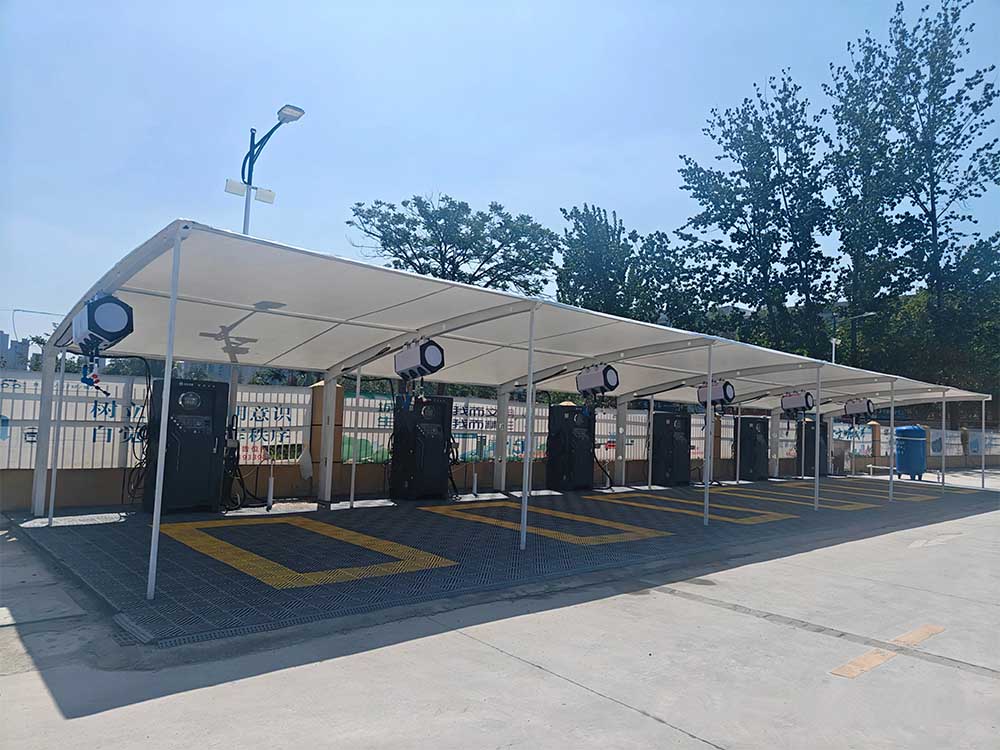
If the structure is sound, your primary costs pivot entirely to equipment procurement and installation. Setting up a single self-serve bay in a retrofitted building can cost between $5,000 and $10,000. This budget covers the essential in-bay components: high-pressure booms, foam brush assemblies, high-quality hoses, wands, and in-bay signage. However, this base cost does not account for the backend “brain” of the operation—the pump room.
Chapter 2: Inside the Pump Room – The Heart of Your Wash
The customer only sees the wand and the foam brush, but the actual business operates behind closed doors in the pump room. This is where you cannot afford to cut corners, as cheap equipment will inevitably lead to devastating downtime and massive repair bills.
Centralized Pumping Stations
Rather than putting a small pump in every bay, commercial facilities use centralized pump stations. You will need a heavy-duty, multi-stage pump system that delivers consistent water pressure (typically around 1000 to 1200 PSI for self-serve) across all active bays simultaneously.
The Critical Need for Water Softening
One of the most frequent mistakes made by first-time operators is neglecting water quality. Hard water is the enemy of the car wash industry. Not only does it leave unsightly white mineral spots on the vehicles—leading to disastrous customer reviews—but calcium and magnesium buildup will rapidly destroy your expensive high-pressure pumps, solenoid valves, and water heaters. A commercial-grade water softening system is an absolute necessity. Depending on the size of your facility, this system alone can require a five-figure investment, but it will save you exponentially more in preventative maintenance and equipment longevity.
Environmental Compliance and Water Reclamation
Modern environmental regulations strictly govern commercial wastewater discharge. Many municipalities now mandate the installation of on-site water reclamation systems. These advanced filtration units capture the runoff from the wash bays, separate the heavy solids and petroleum-based contaminants, and treat the water for reuse in the initial rinse cycles. While a reclamation system adds a significant upfront CapEx burden, it drastically lowers your monthly municipal water utility bills, turning a compliance requirement into a long-term cost-saving asset.
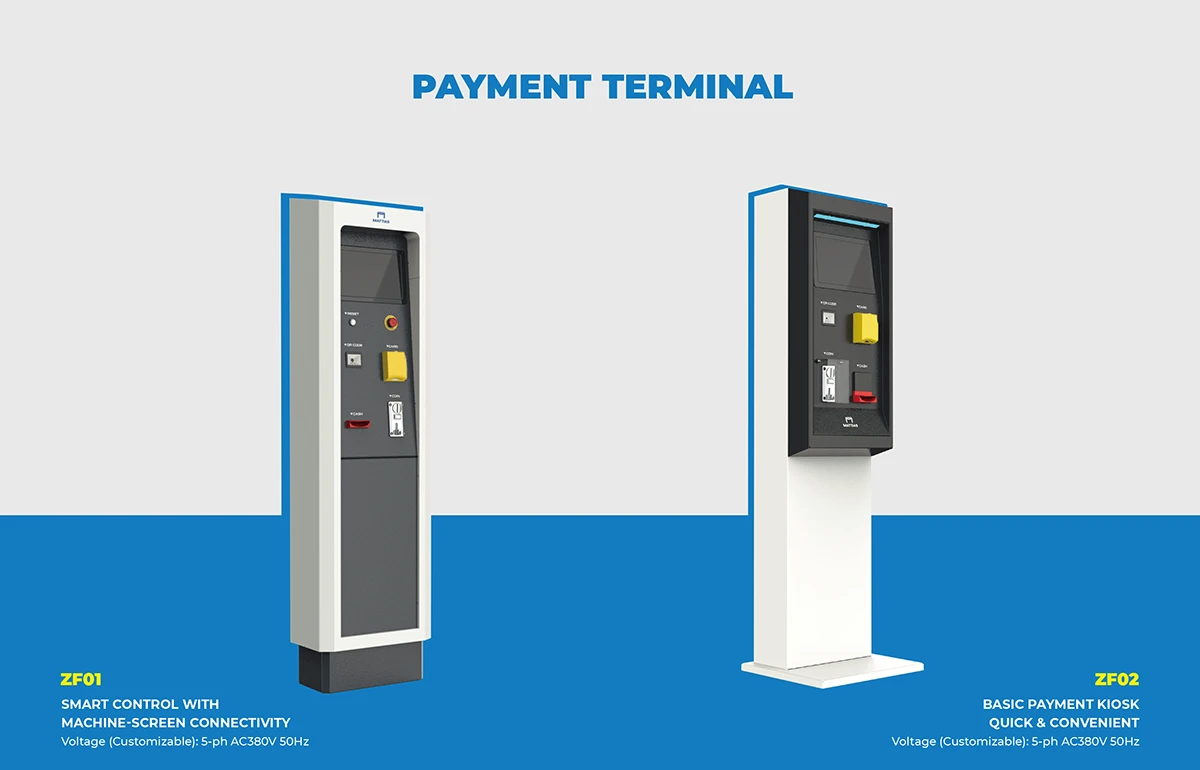
Chapter 3: Payment Gateways and the Cashless Revolution
The days of relying solely on quarters and tokens are over. Modern consumers demand frictionless, cashless transactions. Setting up a contemporary paystation infrastructure is a highly strategic investment.
A modern bay controller system requires an initial base investment. You can expect to spend around $500 for a central payment controller, plus an additional $400 to $500 for each individual credit card swiper or tap-to-pay terminal installed in the bays. While this feels like a high upfront cost for a single-bay retrofit, the architecture is infinitely scalable. Once the central controller is networked, adding subsequent bays or automated vacuum stations becomes incredibly cost-effective. Offering tap-to-pay, Apple Pay, and Google Wallet not only increases customer throughput but also directly increases the average ticket size per wash, as customers are no longer limited by the loose change in their cupholders.
Chapter 4: Scaling Up – The In-Bay Automatic (IBA) and Tunnel Transition
While self-serve bays attract a specific demographic of car enthusiasts who prefer to hand-wash their vehicles, the ultimate goal for most commercial operators and gas station owners is maximizing site throughput and generating truly passive income. This is achieved by transitioning from manual bays to sophisticated automatic wash systems.
Touchless vs. Friction Automatics
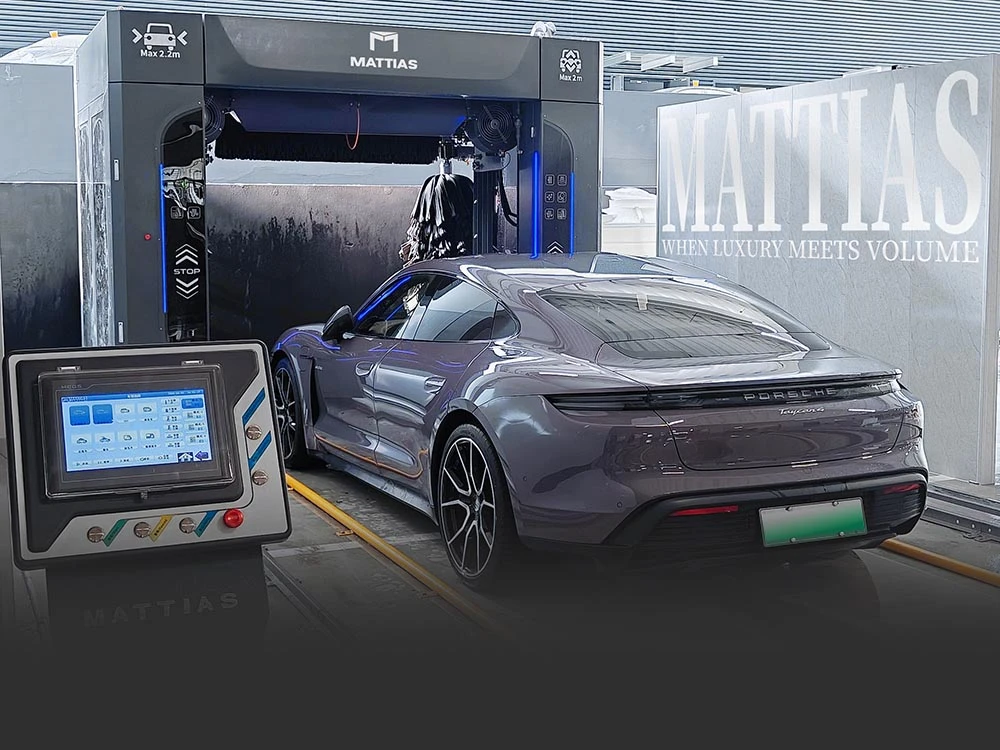
Adding an automatic wash lane requires a serious capital injection. Whether you choose a Touchless system (relying entirely on high-pressure water and advanced chemical application) or a Friction system (using soft-touch materials), a single industrial-grade machine will cost well over $100,000.
For high-traffic environments, such as a busy gas station on a major thoroughfare like Moscow’s Troitsky Road, operators often look beyond simple IBAs to full-scale automated solutions. Modern friction machines produced by leading global manufacturers like Mattias Car Wash Systems, Balanshi, and Balance Group are lightyears ahead of the abrasive brushes of the past. Today’s premium rollovers and tunnels utilize high-density Eva brushes—a closed-cell foam material that is incredibly lightweight, holds zero water or abrasive dirt, and polishes the vehicle’s clear coat safely.
Advanced Technical Specifications for Maximum ROI
When analyzing the startup costs of automated systems, investors must evaluate the technological efficiency of the machinery. High-end equipment now features sophisticated pneumatic controls that allow the wash components to independently sense and map the specific contours of each vehicle in real-time.
For maximum throughput, large-scale investors frequently evaluate the installation of 14-meter conveyor car wash systems. These advanced tunnels utilize electric contour-following technology, ensuring that every inch of the vehicle is perfectly cleaned regardless of its shape or size. Furthermore, to combat the most common customer complaint—leftover water spots—premium installations require high-efficiency air knife drying systems. These aerodynamically engineered blowers strip water from the vehicle’s surface instantly, significantly improving the final presentation of the vehicle and accelerating lane speed.
Regional Financial Modeling: The Impact of Utility Tariffs
The decision to stick with a self-serve model or invest heavily in a $100k+ automated system often comes down to regional financial modeling. When conducting a comparative startup cost and ROI analysis, local utility tariffs dictate the business strategy.
For example, when evaluating the Malaysian market, the relatively lower commercial tariffs for water and electricity drastically alter the profitability equation. In regions with favorable utility costs, retrofitting an outdated self-serve bay to accommodate a high-speed In-Bay Automatic (IBA) machine yields an incredibly fast payback period. The machine can operate 24/7 without the high labor costs associated with manual detailing, and the lower overhead for water and power allows the operator to maintain aggressive pricing margins, quickly capturing dominant local market share.
Conclusion: Engineering Your Success
Starting a car wash business is a highly technical, capital-intensive venture that extends far beyond buying a piece of land and a few hoses. Whether you are budgeting $10,000 to DIY a single retrofitted self-serve bay in an old dealership or securing a $1.5 million loan to install a 14-brush automated tunnel at a high-volume gas station, success is defined by your equipment choices. Prioritize robust pump room infrastructure, insist on water reclamation and softening, and leverage advanced technologies like Eva brushes and precise pneumatic controls to deliver an unparalleled customer experience.
Frequently Asked Questions (FAQ) for Car Wash Investors
Q: How much does it cost to build a self-serve car wash from the ground up? A: Building a brand-new car wash facility is capital-intensive. Depending on land values and local construction costs, a standard multi-bay facility (e.g., four self-serve bays and one automatic lane) typically requires an investment ranging from $750,000 to over $1,000,000. This includes land, municipal permits, specialized concrete pouring, and commercial-grade equipment.
Q: Can I save money by retrofitting an existing building for a car wash? A: Yes, retrofitting is the most cost-effective entry strategy. Converting an old mechanic shop, auto dealership, or abandoned gas station saves hundreds of thousands of dollars in construction and concrete costs. If the building already has adequate plumbing and electrical supply, outfitting a single self-serve bay can cost between $5,000 and $10,000.
Q: How much does an automatic touchless car wash machine cost? A: A commercial-grade In-Bay Automatic (IBA) machine, whether touchless or friction-based, typically starts around $100,000 per unit. This cost does not include the essential supporting infrastructure, such as the pump stand, water softener, payment kiosks, or in-bay security cameras.
Q: Why is a water softening system necessary for a car wash? A: A commercial water softener is critical for two reasons. First, it prevents hard water minerals from leaving white, crusty spots on customer vehicles. Second, it protects your expensive internal equipment. Hard water scale will quickly destroy high-pressure pumps, heater coils, and solenoid valves, leading to catastrophic equipment failure and massive repair bills.
Q: Are self-serve car washes a good source of passive income? A: While they require far less labor than a full-service hand wash facility, self-serve washes are not entirely “passive.” They require daily management, including restocking soaps and chemicals, emptying trash, maintaining vacuum stations, and performing preventative maintenance on the pump systems. However, upgrading to networked payment systems and automated machines can significantly increase the passive nature of the revenue stream.
Q: Does upgrading to an In-Bay Automatic (IBA) make financial sense in emerging markets? A: Absolutely. When conducting an ROI comparison (for example, analyzing utility tariffs in the Malaysian market), the lower operational costs of water and electricity can make upgrading to an IBA incredibly profitable. The machine dramatically increases the daily vehicle throughput and enables 24/7 operations, easily justifying the higher initial startup costs compared to traditional self-serve bays.