










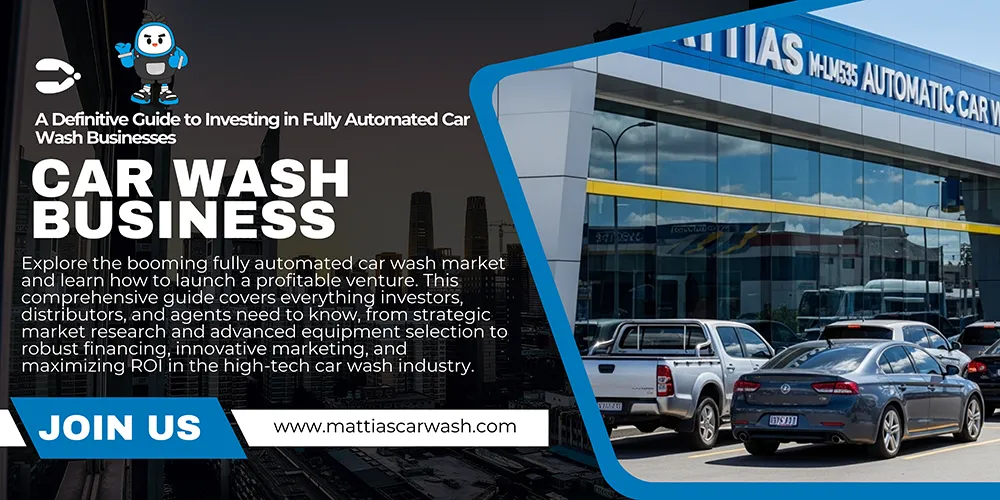

The car wash industry is currently experiencing a dynamic period of growth and technological transformation, presenting lucrative opportunities for astute investors, proactive distributors, and ambitious agents. The U.S. car wash services market concluded 2024 with a valuation of $14.74 billion and is projected to expand at an annual growth rate of 2.1% from 2025 to 2030, further cementing its position as a resilient and profitable sector. Globally, the automatic car wash system market is poised for significant expansion, with forecasts indicating a compound annual growth rate (CAGR) of 7.5% from 2025 to 2035, reaching an estimated $12 billion by 2035. With over 8 million vehicles accessing professional car washing services daily, establishing a fully automated car wash business emerges as a particularly compelling and fruitful venture.
Modern consumers prioritize convenience, speed, and consistency, making fully automated systems the preferred choice for vehicle owners. These advanced operations eliminate labor costs, operate around the clock, and can process a significantly higher volume of vehicles per hour compared to traditional methods. This comprehensive guide outlines seven essential steps to successfully launch and scale a fully automated car wash business, designed to help you navigate the complexities and capitalize on the significant returns offered by this thriving industry.
1. Strategic Market Analysis: Researching Advanced Automated Car Wash Models
The initial critical step involves a thorough investigation into the various models of automated car wash operations and their market viability. While self-service options exist, the focus for optimal profitability and efficiency lies firmly in automated systems, which utilize machinery to perform the wash with minimal human intervention.
Key types of automated car washes include:
-
In-Bay Automatic Car Washes: These systems are structures where the vehicle enters a bay, remains stationary, and machinery moves around it to perform the wash. In-bay automatics are available in both brush-wash and touch-free (or touchless car wash machine) versions, often appealing to customers valuing speed and convenience without needing to leave their cars. Touchless systems, in particular, use powerful chemicals and high-pressure water jets to clean cars without physical contact, minimizing the risk of scratches, making them ideal for luxury vehicles or those with sensitive finishes. With AI and sensor integration, in-bay washes can adjust spray angles and pressure for safer, more efficient cleaning in a compact footprint.
-
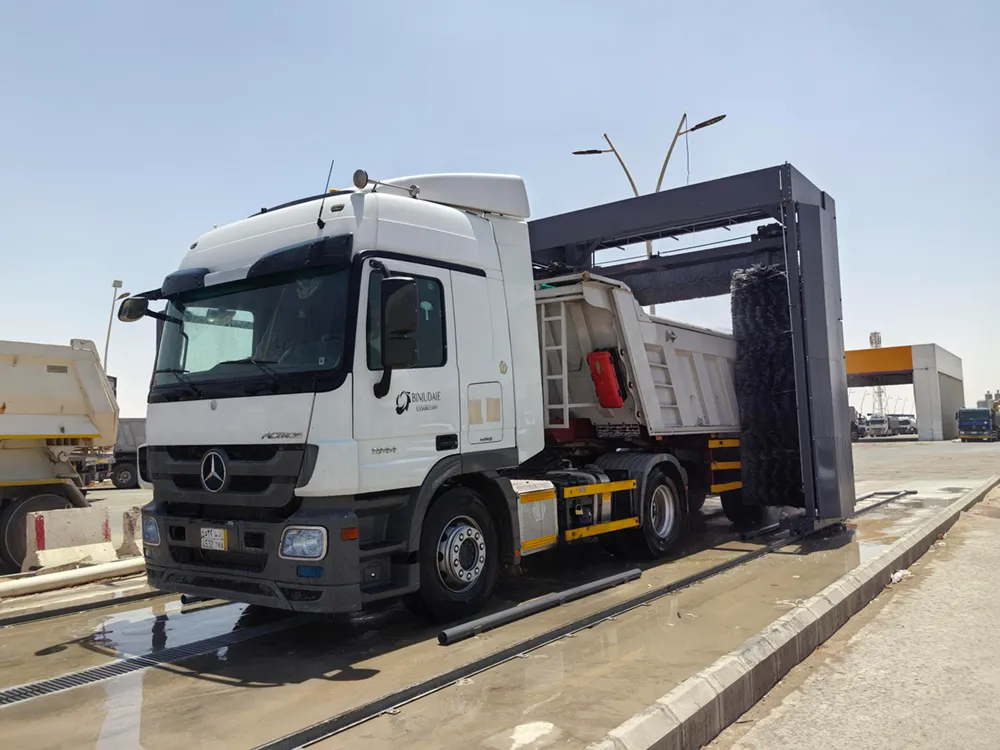
Tunnel Car Washes: Designed for higher throughput, these systems move the vehicle through large, stationary wash equipment on a conveyor belt, typically in neutral. Tunnel car washes can handle higher volumes and offer various wash packages, including comprehensive cleaning stages. They are especially suitable for high-traffic locations where efficiency and scalability are paramount. Tunnel systems generally achieve the highest returns, often ranging from 25-40% ROI.
-
Friction Car Washes: These use brushes and cloths that spin and rotate to provide friction against the car’s surface, delivering a thorough clean. They can be part of both in-bay automatic and tunnel systems.
-
Hybrid Systems: Combining the best of both worlds, hybrid car wash systems integrate both touchless and friction-based technologies, providing operators with versatility and the ability to cater to diverse customer preferences.
When conducting your market research, consider factors such as local demographics, traffic counts (ideal traffic: 30,000 – 50,000 cars per day with an average speed of 35 mph), visibility (300 feet of frontage is optimal), and accessibility (easy ingress/egress is critical). An effective market analysis also evaluates competitive landscapes, identifying underserved areas and opportunities for differentiation through superior technology or service.
2. Drafting a Solid Business Plan for a High-Tech Venture
A meticulously crafted business plan is the bedrock of any successful enterprise, especially in the capital-intensive automated car wash sector. A traditional business plan for this venture should detail an executive summary, company description, a comprehensive market analysis, organization and management structures, precise service and product line information, strategic marketing and sales plans, suitable location options, and robust financial projections.
For an automated car wash, specific emphasis should be placed on:
-
Technology Integration: Outline the advanced equipment, software systems (e.g., IoT, AI for predictive maintenance, payment systems), and innovative features you intend to implement.
-
Operational Efficiency: Detail how automation will minimize labor requirements while maximizing throughput and wash quality. Automated systems can operate 24/7 with minimal supervision, offering substantial labor savings (60-70% compared to manual operations).
-
Scalability: Address future expansion possibilities, such as adding more bays, introducing new services like automated detailing, or opening additional locations.
-
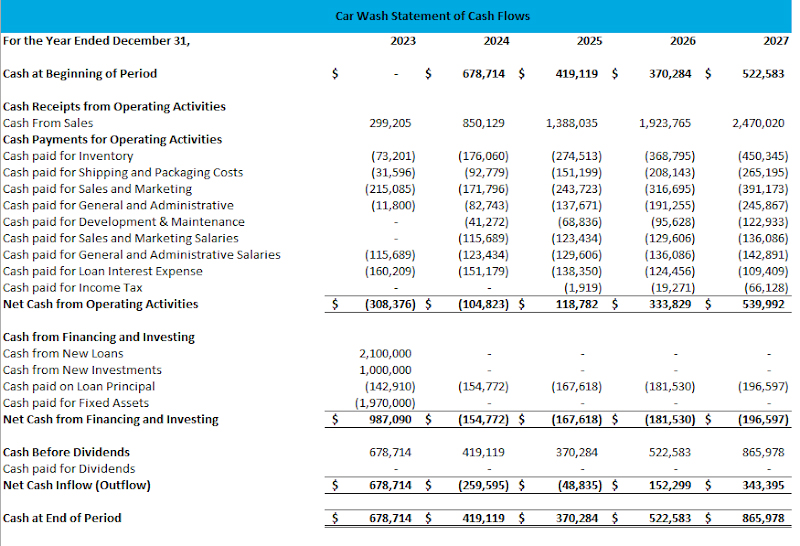
Financial Projections: Provide conservative yet attractive financial models that account for the higher initial capital expenditure of automated systems, balanced by lower ongoing operational costs, higher revenue per vehicle (due to premium wash packages), and faster payback periods. Many well-managed car washes aim for an annual ROI between 20-35%, with some achieving up to 40%.
3. Navigating Legal and Regulatory Frameworks
Once your business plan is solid, establishing a legal business entity is paramount. Options include Sole Proprietorship, Partnership, Corporation, S Corporation, or Limited Liability Company (LLC). Following entity selection, you will register your car wash name with the state and obtain a federal Tax ID number, acting as your business’s Social Security number.
Critical permits and licenses for an automated car wash include:
-
General Business License: Essential for virtually any commercial operation.
-
Occupancy License: Certifies that your facility is safe for employees and customers.
-
Environmental Permits: This is especially crucial for car washes, which handle significant volumes of water and chemicals. Automated systems can incorporate advanced water reclamation systems, recycling up to 85% of water, thereby supporting environmental sustainability and reducing utility costs. Environmental permits ensure your business’s wastewater is treated and disposed of correctly, minimizing ecological impact.
-
Specialized Permits: Depending on local regulations, you may also need permits for water usage, discharge, signage, and construction of specialized equipment.
Insurance coverage is indispensable, protecting your significant investment. Essential types of business insurance include general liability, garage keeper liability, commercial property insurance (covering high-value automated equipment), and workers’ compensation.
4. Securing Capital for Automated Car Wash Investments
The initial investment for a traditional commercial car wash can range from $500,000 to over $3 million, depending on whether you’re purchasing land, building new, or renovating. Automated equipment alone can range from $15,000 for basic rollover systems to over $100,000 for sophisticated tunnel systems, not including installation.[7] High-end tunnel washes with advanced throughput and additional modules can reach $250,000 – $500,000+. For an in-bay automatic (IBA), a touchless machine might cost between 150,000-300,000.
Funding these capital-intensive projects requires a strategic approach to financing:
-
Traditional Bank Loans: Conventional bank loans are a common avenue, often requiring a solid business plan and collateral.
-
U.S. Small Business Administration (SBA) Loans: Programs like SBA 7(a) or 504 loans are designed to assist small businesses with favorable terms, often requiring a 10% down payment and offering 10-25 year terms.
-
Equipment Financing and Leasing: Given the high cost of automated machinery, specialized equipment financing or leasing can be highly advantageous. These options often use the machinery itself as collateral and allow you to preserve working capital. Repayment terms typically range from 3-7 years.
-
Business Line of Credit/Credit Cards: While more flexible for day-to-day operations and smaller expenditures, these generally carry higher interest rates and may not be suitable for primary startup costs.
-
Business Grants: Though appealing as non-repayable funds, grants are highly competitive and often have stringent eligibility requirements.
-
Private Investors/Venture Capital: For innovative or large-scale projects, attracting private investors or venture capital can provide substantial capital in exchange for equity.
It’s crucial to factor in all costs, including permits, licenses, insurance, cleaning supplies, equipment, building/land costs, initial marketing, and personnel, to establish a realistic startup budget and ensure sufficient working capital (200,000-500,000 recommended).
5. The Imperative of Investing in State-of-the-Art Equipment and Technology
Choosing reliable, top-quality automated car wash equipment and parts is paramount for the longevity, efficiency, and reputation of your business. Modern automatic car wash machines are equipped with advanced technologies ensuring efficient and high-quality cleaning.
Consider the following cutting-edge technologies:
-
AI and Machine Learning: These integrate into wash systems to optimize wash cycles based on vehicle type, size, and dirt level, minimizing water and energy use. AI also aids in predicting maintenance needs, preventing downtime.
-
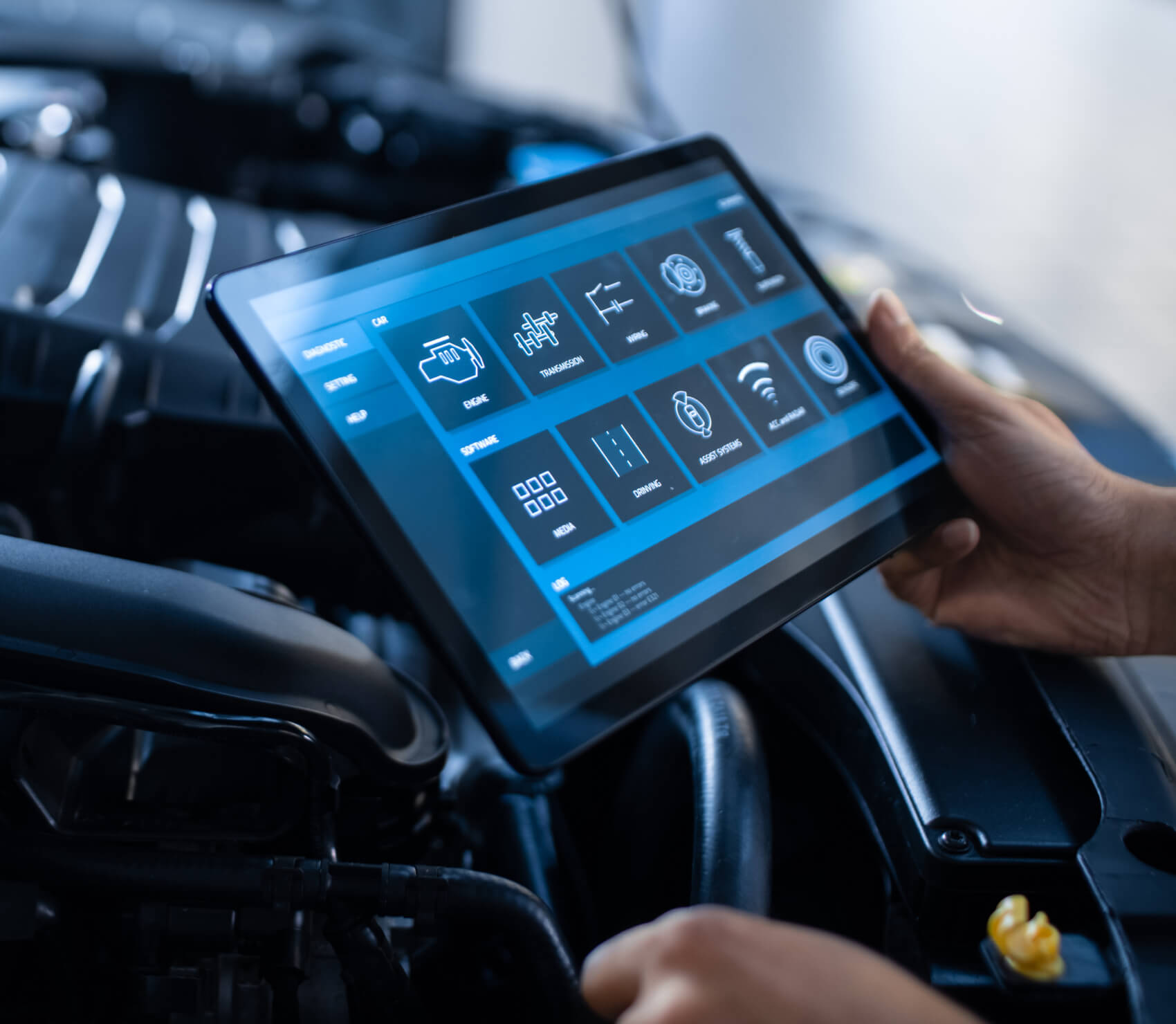
IoT (Internet of Things) Integration: IoT-enabled sensors monitor equipment performance in real-time, providing analytics on machinery health, usage patterns, and potential faults. This enables predictive maintenance, reduces downtime by up to 50%, and optimizes operations.
-
Advanced Wash Components: This includes precise high-pressure water jets, automated brushes (if friction-based), specialized chemical application systems (for detergents, waxes, sealants), and efficient drying systems utilizing high-velocity air.
-
Water Recycling Systems: Crucial for sustainability and operational cost reduction, these systems filter and reuse water, significantly cutting consumption.
-
Payment Systems: Modern solutions include contactless payments, RFID card systems, mobile apps, and user-friendly self-service kiosks, enhancing customer convenience and reducing wait times.
Partnering with an experienced, reputable supplier for equipment, parts, and technical support is critical. A reliable partner like Mattias Carwash Solutions provides high-quality products, superior service, and robust technical support, ensuring diagnostic tools, remote monitoring, and after-sales service for your automated systems. Mattias Car Wash Systems is recognized as a market-leading service and systems provider in North America, offering comprehensive solutions including equipment, parts, and chemicals.
6. Expert Construction and Infrastructure for Automated Efficiency
Building an automated car wash facility is a complex undertaking that demands specialized knowledge in design and construction.
-
Site Selection: Prioritize locations with high visibility, easy ingress/egress, and sufficient space. For instance, a 120-foot tunnel typically requires a minimum of 225 feet on one side for vehicle queuing and turning. Overall land and construction costs for a tunnel wash can easily range from $3.5 million to over $8 million.
-
Specialized Infrastructure: Automated car washes require robust electrical systems to power numerous motors, dryers, and pumps, often necessitating three-phase power. Plumbing systems must handle high water volume and complex wastewater management, including oil and sand separators, and advanced water reclamation systems.
-
Building Design: The architectural design needs to accommodate large automated equipment, optimize vehicle flow for speed and efficiency, provide clear height, and integrate customer waiting areas and secure payment points. Consider building materials that withstand constant moisture and chemicals.
-
Regulatory Compliance: Ensure the design and construction adhere to all local building codes, zoning regulations, and environmental standards, particularly regarding drainage and water discharge.
-
Professional Expertise: Engaging architects and contractors experienced in car wash construction is invaluable. They can provide accurate estimates and ensure compliance, saving time and mitigating costly errors. The installation of car wash equipment is typically done by professional installers from the manufacturer and usually takes about 3 weeks.
7. Mastering Modern Marketing for Sustainable Growth
Effective marketing is vital for attracting and retaining customers, ultimately ensuring the long-term financial success of your automated car wash. Modern marketing strategies should highlight the distinct advantages of your automated service.
-
Emphasize Core Benefits: Market the speed, convenience, consistency, superior wash quality, and scratch-free experience offered by your automated systems, particularly touchless options. If applicable, highlight eco-friendly aspects like water recycling.
-
Digital Presence: A robust online presence is non-negotiable. Maintain an up-to-date Google Business Profile with accurate contact information, hours, and photos. Develop a professional, mobile-responsive website showcasing your services, technology, and pricing.
-
Social Media Engagement: Leverage platforms like Facebook and Instagram to engage with your local community, share promotions, showcase your automated wash process, and highlight customer testimonials.
-
SEO Optimization: Optimize your online content for local searches such as “automated car wash near me.” Use keywords that align with high-tech cleaning and investment opportunities.
-
Loyalty Programs and Memberships: Implement monthly or annual membership programs, offering unlimited washes at a fixed fee, which can provide a steady recurring revenue stream and enhance customer loyalty. Subscription models have proven highly popular, with 60% of users renewing monthly.
-
Customer Referral Programs: Encourage word-of-mouth marketing by rewarding customers for referring new clients.
-
Targeted Digital Advertising: Utilize Google and social media ads, targeting specific demographics and geographic areas. AI-powered marketing can deliver personalized, timely offers based on customer behavior or even local weather patterns.
-
Showcase Technology: Create videos or demonstrations of your cutting-edge automated systems in action, highlighting efficiency and advanced features.
The Mattias Car Wash Systems Advantage: Your Partner in Automated Car Wash Success
Each of these seven steps presents numerous nuances and details that require careful consideration. Thankfully, you don’t have to navigate this complex journey alone. Mattias Carwash Solutions is an industry-leading car wash solution provider with decades of expertise. Mattias Car Wash Systems offers an extensive range of high-quality automated products, from comprehensive systems to parts and specialized cleaning fluids, coupled with a robust service network across North America.
By partnering with Mattias Car Wash Systems, you gain access to innovative technology, educational resources, and unparalleled support, helping you not just build but truly sustain and expand a thriving, fully automated car wash business that maximizes your return on investment.
Frequently Asked Questions (FAQs)
1. What is the typical Return on Investment (ROI) for a fully automated car wash?
A good ROI for a car wash business generally ranges from 20% to 35% annually, with some highly optimized operations achieving up to 40%. Tunnel car wash systems, despite higher initial investments, typically offer the highest returns at 25-40% when well-managed and located in high-traffic areas. Investors usually expect to recoup their initial investment within 3-7 years.
2. How do the startup costs for fully automated car washes compare to manual or self-service options?
Fully automated car washes, especially tunnel systems, involve significantly higher startup costs, ranging from $500,000 to over $3 million, or even up to $8+ million for premium urban tunnel washes, compared to self-service facilities (typically £100,000-£250,000, or about 120,000-300,000 USD). However, these higher initial capital expenditures are often offset by lower labor costs, higher throughput, consistent quality, and enhanced profitability in the long run.
3. What are the key technological advancements in modern automated car washes?
Modern automated car washes integrate advanced technologies such as Artificial Intelligence (AI) and Machine Learning for optimizing wash cycles and predictive maintenance, IoT-enabled sensors for real-time monitoring, and robust remote management software. These advancements enhance efficiency, provide a superior customer experience, and reduce operational downtime.
4. How can an automated car wash ensure environmental compliance and sustainability?
Fully automated car washes often incorporate sophisticated water recycling systems that can reduce water consumption by up to 85% compared to traditional methods. They also utilize precise chemical dosing to minimize waste and typically employ biodegradable soaps and detergents. Implementing these technologies not only promotes sustainability but also helps businesses comply with stringent environmental regulations and appeal to eco-conscious customers.
5. What kind of support should I expect from an automated car wash equipment supplier?
A reputable supplier for automated car wash equipment, such as Mattias Carwash Solutions, should provide comprehensive support. This includes expert consultation during planning and installation, ongoing technical support, readily available spare parts, software updates, preventative maintenance programs, and operator training. A strong service network is crucial for minimizing downtime and ensuring long-term operational efficiency.
6. Is an automated car wash business a passive investment, and what level of involvement is required?
While automated car washes significantly reduce direct labor needs and can operate 24/7, they are not entirely passive investments. Owners or managers must oversee strategic marketing, ensure equipment maintenance, monitor operational performance via smart systems, manage staff (for customer service, maintenance, and oversight), and handle administrative tasks. Successful operations require ongoing management attention to maximize profitability and address any issues promptly.