


Building a car wash is a significant investment, with costs ranging from $500,000 to $5+ million depending on the type, scale, location, and technology. While the industry offers strong ROI potential (15–35% margins for well-run operations), underestimating expenses is the fastest way to derail your project. This guide provides a detailed, no-fluff cost breakdown for 2026, drawing on real-world data from recent builds, contractor estimates, and industry benchmarks.
For astute investors, strategic distributors, and ambitious agents, understanding the comprehensive cost structure of developing a fully automated car wash facility is paramount. While the initial outlay can be significant—ranging from approximately $250,000 for a basic automatic bay to over $10 million for a state-of-the-art express tunnel system—the potential for substantial Return on Investment (ROI) and strong profit margins makes it a highly attractive sector. Profit margins for automated car washes can often range from 50% to 70%, with average profit margins in the mid-teens for the industry as a whole, outperforming many other service segments. This expert guide will meticulously break down the key expenses you can anticipate when embarking on a car wash development project in 2026, equipping you with the knowledge necessary for informed decision-making and optimal financial planning.
| Expense | Cost Range | Details |
|---|---|---|
| Site Prep | $50,000–$300,000 | Grading, drainage, demolition, environmental permits. |
| Utilities | $75,000–$200,000 | Water lines (10+ GPM capacity), 3-phase power, sewer hookups. |
| Building Structure | $250,000–$1.5 million | Tunnel washes cost more; self-serve bays average $75k/bay. |
| Paving & Landscaping | $50,000–$150,000 | Concrete for bays, parking, and driveways. |
| Miscellaneous | $30,000–$100,000 | Signage, lighting, fencing. |
I. Comprehensive Cost Breakdown by Car Wash Type (2026 Estimates)
The total cost to build a car wash varies dramatically based on the type, scale, location, and technological sophistication of the chosen model. It’s not a decision to be made on a whim, requiring careful planning and adequate capitalization.
-
Self-Serve Car Wash (e.g., 4 Bays): While often considered a lower-entry point, even self-serve operations with multiple bays represent a significant investment.
-
Low End: ~$950,000 (basic equipment, rural location, minimal amenities).
-
High End: ~$2.1 million (urban site, premium systems, water reclaim, advanced payment tech).
-
Equipment costs alone can range from $15,000 to $25,000 per bay.
-
-
In-Bay Automatic (IBA) Car Wash: These enclosed systems offer automation where the vehicle remains stationary.
-
Low End: ~$1.2 million (single IBA, suburban location, no conveyor).
-
High End: ~$3 million (dual IBAs, prime metro site, membership software).
-
According to ISS, a minimum startup for an in-bay automatic can be $250,000 per bay, including roughly $150,000 in equipment and a $100,000 building.
-
Other estimates suggest IBA washes require $400,000 to $700,000 in initial investment.
-
-
Tunnel Car Wash (e.g., 120′ Conveyor): Designed for high throughput and comprehensive cleaning, these are often the most lucrative but also the most capital-intensive.
-
Low End: ~$3.5 million (budget equipment, secondary market).
-
High End: ~$8+ million (premium tunnel, urban site, full-service detailing, advanced app integration).
-
Total investment for a state-of-the-art express car wash can range from around $3.85 million to well over $10 million.
-
Initial investment for a tunnel system often ranges from $1.5 to $3 million for basic setups.
-
Industry figures for tunnel car wash startup costs often range from $2.5 million to $7 million.
-
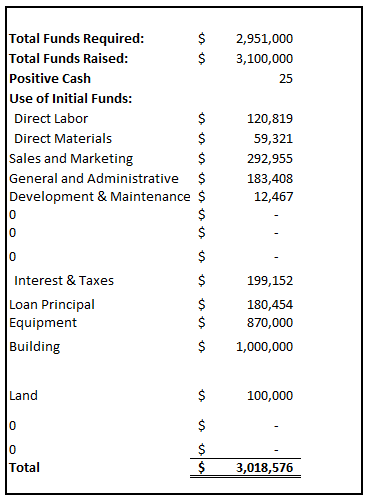
A sample financial model for an automatic car wash projecting $3.89 million in startup capital allocates $1.5 million for land, $1.2 million for building construction, and $800,000 for tunnel equipment.
-
The following sections delve into the granular breakdown of these overarching figures.
II. Key Investment Categories for a Fully Automated Car Wash
Building a modern car wash is a multifaceted project. Here’s a detailed breakdown of the primary cost categories:
1. Land Acquisition Costs
Location is the single largest variable and a critical factor for success, influencing customer traffic, visibility, and market penetration.
-
Cost Range:
-
Major Metropolitan Areas (e.g., Dallas, Phoenix, Atlanta): $500,000 – $2 million for a 1-2 acre lot.
-
Rural or Secondary Markets: $200,000 – $800,000 for a 1-2 acre lot.
-
A sample project estimated land acquisition at 40.1% of the total cost, allocating approximately $4.2 million for purchasing land in a prime urban location, equating to roughly $3.1 million per acre.
-
-
Key Considerations: Accessibility, visibility, traffic counts, zoning costs, environmental compliance, and the need for significant land improvements like paving or grading. Aiming for a corner lot with highway visibility is often recommended. Zoning for commercial use might add 10-20% to land costs but helps avoid legal delays.
2. Construction and Site Preparation Costs
This category encompasses all expenses related to preparing the site and constructing the physical infrastructure of your car wash.
-
Site Preparation: $50,000 – $300,000. This includes grading, earthwork, drainage systems, demolition (if an existing structure), and potentially environmental remediation. Quality site preparation is crucial for handling high-capacity drainage and protecting against moisture.
-
Utilities (Connection & Upgrades): $75,000 – $200,000. Includes installing high-capacity water lines (10+ GPM), three-phase power infrastructure, sewer hookups, and gas lines. These costs can vary dramatically by community. Water utility systems, including wastewater management, can cost over $35,000.
-
Building Structure: $250,000 – $1.5 million. Tunnel washes have higher building costs. Self-serve bays average around $42,000 per bay for construction, with one source stating roughly $75,000 per bay. Construction involves materials (concrete, steel), electrical work, and plumbing, with materials designed to withstand constant moisture and chemicals. Expect facility construction for touchless systems to be 200,000-500,000 for 2,000-4,000 sq ft bays.
-
Paving & Landscaping: $50,000 – $150,000. Covers concrete for wash bays, vacuum areas, parking lots, and aesthetically pleasing landscaping.
-
Miscellaneous Construction: $30,000 – $100,000. This includes external signage, lighting, security fencing, and potential noise mitigation walls.
Total construction costs can range from $455,000 to $2.25 million for varying types of washes. However, an experienced general contractor is essential given the specialized nature of car wash construction, even if it entails a slightly higher upfront cost, as mistakes can be significantly more expensive to correct later. Construction can take anywhere from a few weeks to several months.
3. Automatic Car Wash Equipment and Machinery
This is often the most variable expense, and investing in high-quality equipment is critical for efficiency, durability, and customer satisfaction.
-
System Costs:
-
Basic Touchless Systems: $15,000 – $50,000
-
Standard Automatic Equipment: $20,000 – $100,000. For an entire fully automatic car washing machine, costs can be between $20,000 and $100,000.
-
Tunnel Equipment Packages: $200,000 – $500,000, not including installation. Advanced high-capacity systems can cost over $200,000. A complex tunnel equipment can be between $1,000,000 – $2,000,000.
-
-
Key Components: Touchless or friction wash models, conveyor systems, wash bay automatics, and add-on services like tire shine, undercarriage wash, waxes, spot-free rinses, and advanced drying systems (e.g., high-velocity blowers, with advanced units costing up to $100,000).
-
Water Reclaim Systems: $50,000 – $100,000. These are often mandatory in many states and provide significant long-term utility savings (60-80% water consumption reduction, saving 400-2,000 annually).
-
Vacuums: $3,000 – $8,000 per unit, with 2-4 recommended. Vacuum systems can easily exceed $100,000 for larger facilities.
-
High-Pressure Wash Systems: $15,000 – $30,000 per bay.
Total equipment costs for new installations often average $200,000 – $500,000, but can extend much higher for full tunnel configurations.
4. Payment Systems, Hardware, and Software
Modern car washes rely heavily on technology for seamless operations and enhanced customer experience.
-
Cost Range: From $50 to $1,000 per system or card reader, plus up to $300 per month in software fees, depending on complexity and number of devices.
-
Components: Credit card readers, mobile payment options, and car wash management software for customer tracking, transaction reporting, membership management, and scheduling. Automated payment kiosks can reduce staffing needs by up to 80%. Advanced systems might include RFID for member identification. Individual pay stations for large tunnels can cost $50,000 each.
5. Permits, Licenses, and Soft Costs
These expenses cover regulatory approvals and professional services essential for a compliant and well-designed facility.
-
Planning and Permitting: $100,000 – $400,000. This encompasses various municipal fees, including zoning, environmental impact fees, traffic studies, and construction permits. Touchless systems can expect to pay $5,000-$15,000 for permits and licensing.
-
Professional Fees: $50,000 – $150,000. Includes architectural and engineering design fees, legal consultation, land surveys, appraisals, and potentially environmental consulting. Designing an automated car wash involves not only the building but also traffic flow, drainage, and mechanical/electrical plans for the complex equipment.
6. Working Capital / Operating Reserves
Often overlooked, sufficient working capital is vital for smooth operations during the initial ramp-up phase.
-
Recommended Reserve: $150,000 – $500,000.
-
Purpose: Covers initial chemical inventory and supplies, spare parts, staff training and initial payroll, utility deposits, initial marketing and grand opening campaigns, and provides a contingency fund for unexpected costs during the first 3-6 months of operation.
7. Financing Costs
If you’re securing external funding, be prepared for associated fees.
-
Components: Loan origination fees, interest costs during the construction period (if loans are drawn early), and potential appraisal or legal fees related to loan closing.
-
SBA Loans: Can offer favorable terms (e.g., 10% down, 10-25 year terms, 6-8% rates in 2024), reducing upfront capital needs.
-
Equipment Financing: Uses the machinery as collateral, typically with 3-7 year terms.
III. Factors Significantly Impacting Total Investment Costs
Beyond the core categories, several variables critically influence your final project budget:
-
Type of Car Wash: As outlined above, self-serve, in-bay automatic, and tunnel washes have vastly different cost profiles.
-
Location: Land prices, labor rates, material costs, and permit fees fluctuate significantly by region and specific site.
-
Equipment Quality & Features: Choosing budget vs. premium systems can alter equipment costs by 300%+. Higher-quality equipment, though more expensive upfront, often offers better durability and lower long-term maintenance.
-
Site Complexity: A flat, cleared piece of land will be far less expensive to develop than a sloped site requiring extensive grading, poor drainage issues, or environmental remediation.
-
Level of Automation & Technology: Incorporating AI sensors, advanced water recycling, IoT monitoring, and sophisticated payment systems increases initial cost but reduces labor needs (up to 80% with automated kiosks) and improves operational efficiency and sustainability.
-
New Construction vs. Acquisition: Purchasing an existing car wash (and renovating it) can sometimes be a more cost-effective entry point than ground-up construction, but it comes with its own due diligence requirements for hidden issues.
Conclusion: Strategic Investment for Sustained Profitability
Building a fully automated car wash in 2026 demands a substantial capital investment, often ranging into the millions of dollars. However, for those equipped with a meticulous business plan, a comprehensive understanding of costs, and a commitment to leveraging advanced technology, the potential for robust profitability and a solid ROI remains exceptionally strong. Well-run operations consistently demonstrate high-yield cash flow, underscored by essential consumer demand and increasing professional car care preference.
Underestimating expenses can quickly derail a promising project. Therefore, thorough market research, precise budgeting, strategic financing, and partnerships with experienced industry providers are indispensable. By carefully dissecting each cost component and embracing a forward-thinking approach, investors, distributors, and agents can confidently navigate the complexities of car wash development and unlock enduring success in this flourishing market. Engaging with industry leaders, such as Mattias Car Wash Systems, which specializes in innovative automated solutions, can provide invaluable guidance and expertise throughout your development journey.
Frequently Asked Questions (FAQs)
1. What is the typical total investment range for building a fully automated car wash in 2026?
The total investment for a fully automated car wash in 2026 can range widely, from approximately $1.2 million for a basic in-bay automatic system to over $8 million for a high-volume, state-of-the-art tunnel car wash with extensive amenities and advanced technology. This cost largely depends on location, land costs, chosen car wash type, and equipment sophistication.
2. How much should I budget for land acquisition for a new automated car wash?
Land acquisition costs are highly variable, typically ranging from $200,000 in rural or secondary markets to $2 million or more in prime urban or high-traffic suburban areas for a 1-2 acre lot. Strategic site selection with high visibility and accessibility is crucial, making land a significant and strategic investment.
3. What are the most significant cost drivers for automated car wash equipment?
The most significant cost drivers for automated car wash equipment include the chosen system type (e.g., touchless vs. friction tunnel systems), throughput capacity, integration of advanced technologies like AI and IoT, and premium add-on features (e.g., elaborate drying systems, ceramic coating applicators, advanced water reclamation). Tunnel equipment packages alone can range from $200,000 to over $500,000.
4. Are water recycling systems a mandatory or recommended investment, and what do they cost?
Water recycling systems are increasingly becoming mandatory due to environmental regulations in many regions. Even where not legally required, they are highly recommended as they can reduce water consumption by 60-80%, leading to significant annual utility savings of
4,000−12,000. The cost for a water reclaim system typically ranges from $50,000 to $100,000.
5. How much working capital is typically required for a new automated car wash business?
A substantial amount of working capital is essential to ensure smooth operations during the initial ramp-up phase. Investors should plan to allocate $150,000 to $500,000 for pre-opening expenses and initial operational costs covering the first 3-6 months. This fund accounts for initial marketing, chemical inventory, payroll, utility deposits, and a contingency for unforeseen expenses.
6. What factors can help reduce the total investment cost of an automated car wash?
Smart planning and strategic choices can help mitigate total investment costs. These include leveraging water recycling technology to reduce utility expenses, implementing automated payment kiosks to cut staffing needs, opting for pre-engineered or modular construction kits to lower building fees by 25-40%, and thoroughly researching local regulations to minimize unexpected permit costs.