


The car wash industry generates over $20 billion annually in the U.S. alone — and the touchless segment is the quiet engine driving its next decade of growth.
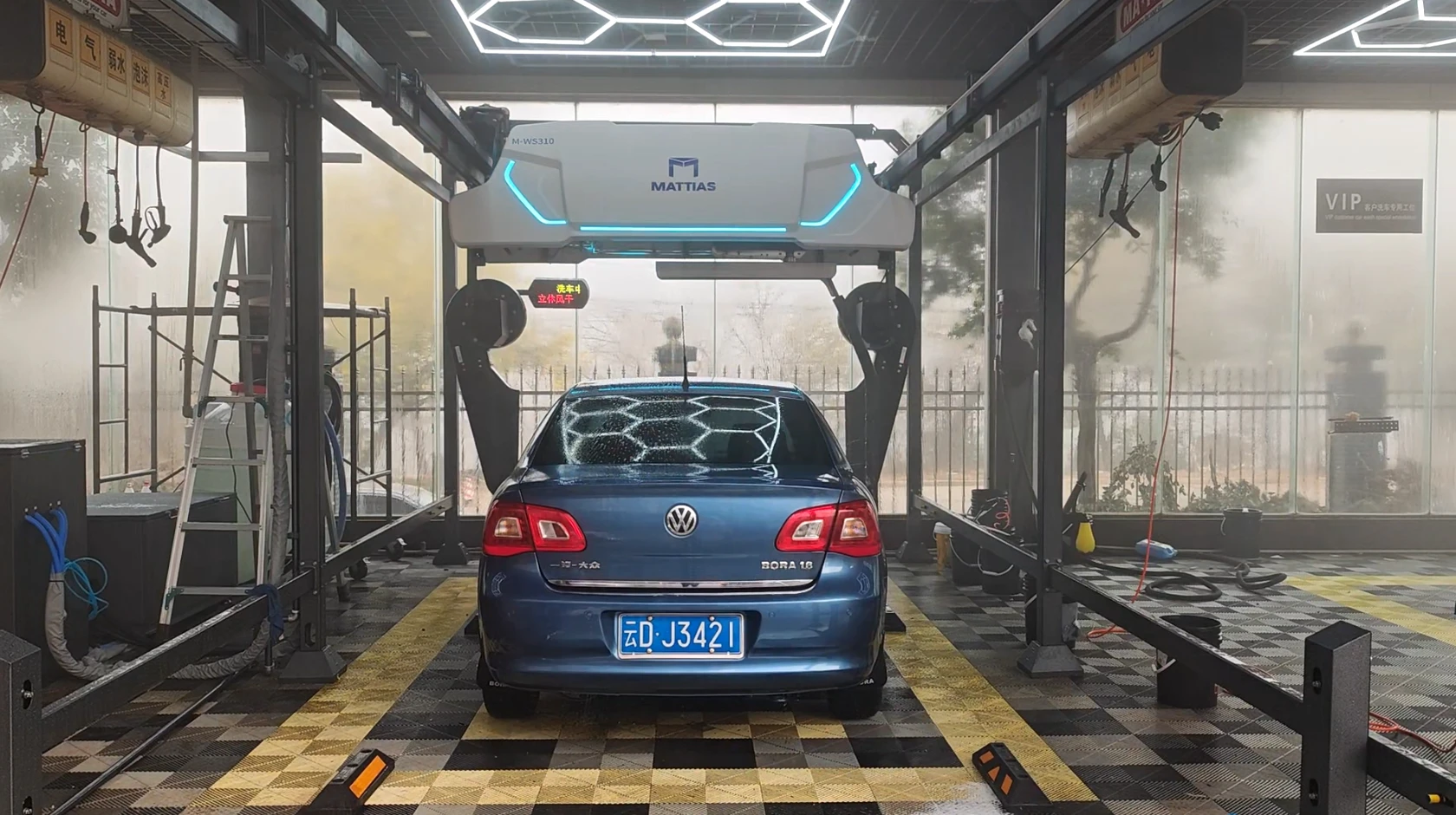
When economists talk about recession-resistant businesses, they tend to mention funeral homes, liquor stores, and discount retailers. But there’s another category that rarely gets its due credit: the touchless car wash. It’s not glamorous. It doesn’t make headlines. But in a volatile economic climate defined by inflation uncertainty, rising interest rates, and shifting consumer behavior, the touchless car wash has quietly become one of the most structurally sound small business investments available to the independent entrepreneur in 2026.
This isn’t just a hunch. The data is compelling, the trends are converging, and the window to get in ahead of broader saturation is still open — but it won’t stay that way forever.
Here’s why.
The Market Is Growing, Even When the Economy Isn’t
| Segment | 2025 value | 2033–35 forecast | CAGR | Growth outlook |
|---|---|---|---|---|
| Global car wash services | $36.3B | $54.5B (2033) | 5.1% | Steady |
| Touchless car wash systems | $6.2B | $12.1B (2035) | 7.0% | Strong |
| Touchless (alt. estimate) | $3.9B | $9.5B (2034) | 10.1% | Very strong |
| U.S. car wash services | $15.3B | $17.0B (2033) | 1.1% | Moderate |
| North America share | 40% | — | Leading region | Dominant |
Those are not typical small business numbers. That is an industry in structural expansion.
But growth projections alone don’t explain why touchless car washes belong in the same conversation as recession-resistant investments. For that, you need to look at how the business actually behaves when the economy stumbles.
What “Recession-Resistant” Actually Means Here
A true recession-resistant business doesn’t necessarily grow during a downturn — it maintains stable demand and protects cash flow while other sectors contract sharply. Car washes, and touchless car washes in particular, check nearly every box.
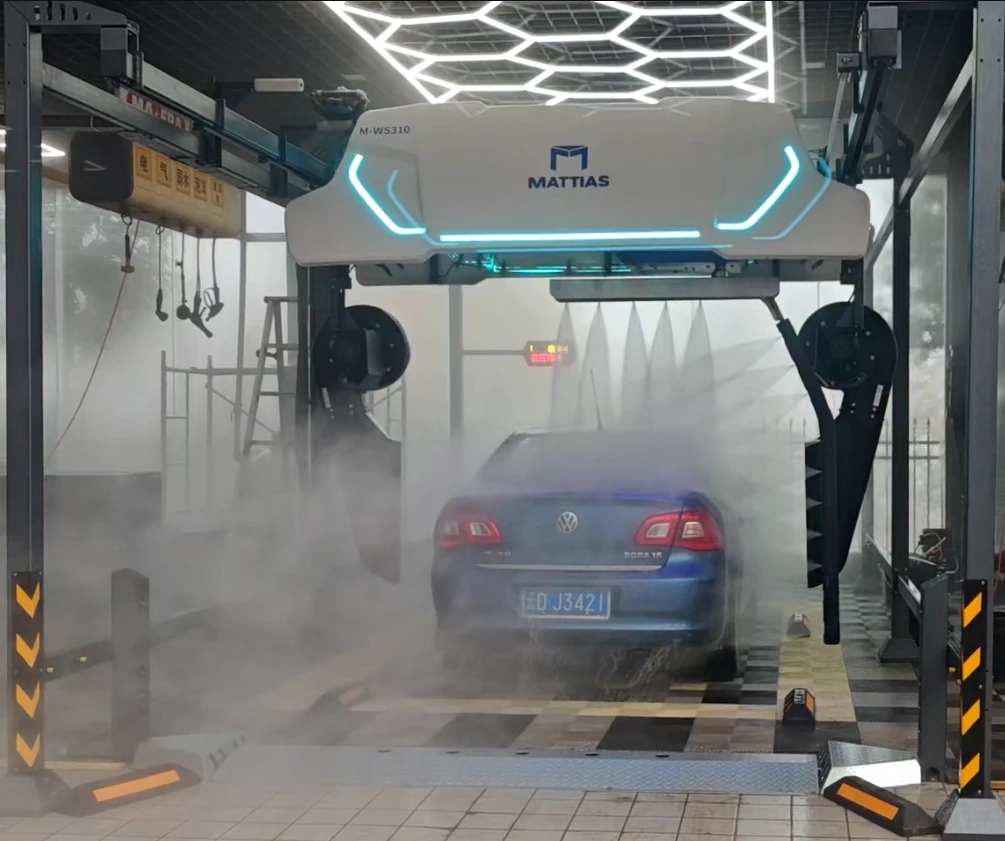
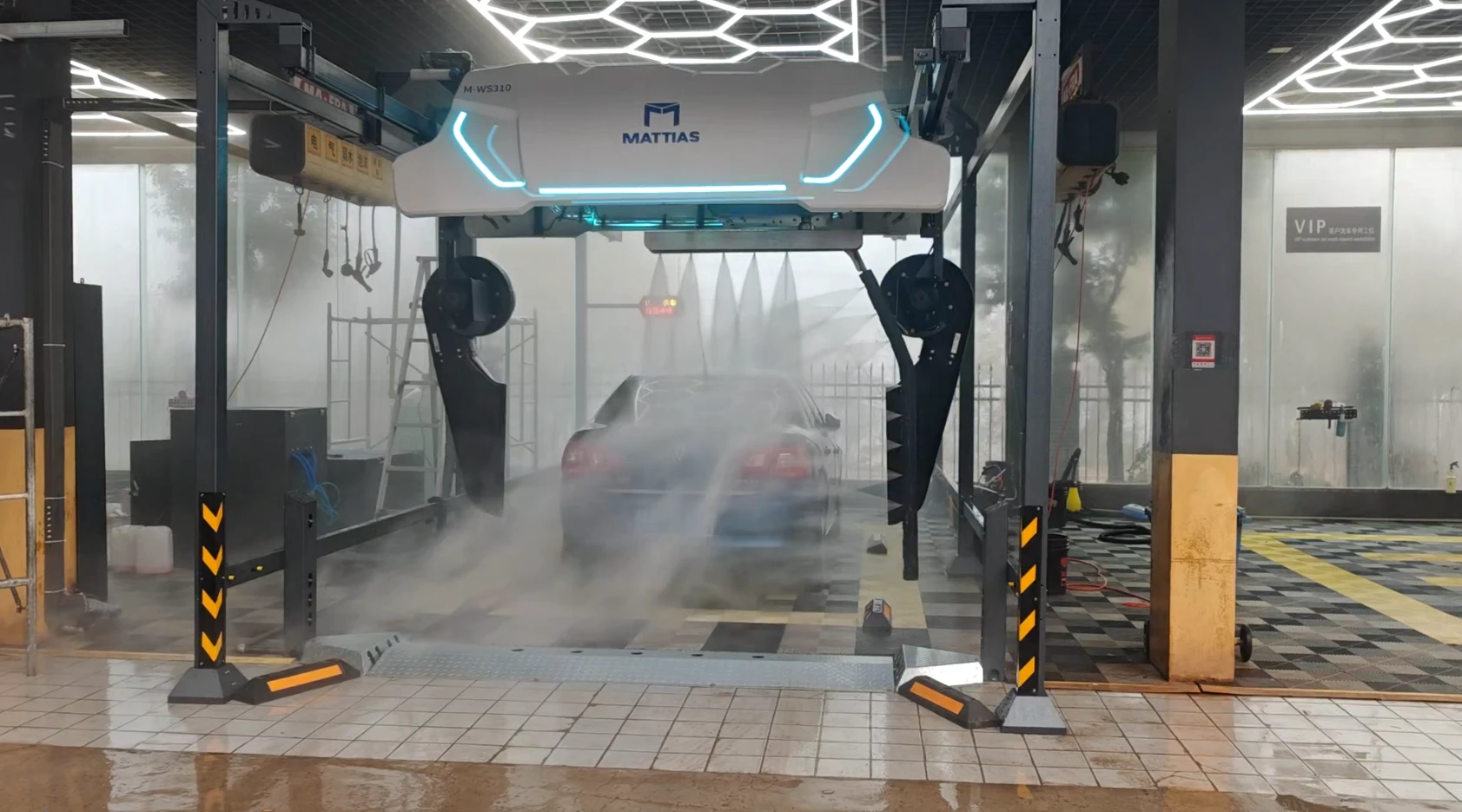
Consider what happened during COVID-19. When restaurants closed, hotels emptied, and traditional retail ground to a halt, many automated car washes — particularly touchless and express formats — continued operating as essential services or recovered far faster than comparable service businesses. In-bay automatic touchless systems actually saw usage surge during the pandemic as drivers sought inexpensive, socially distanced ways to keep their vehicles clean [innowave-studio, 2025]. The industry experienced only a brief dip in revenue in 2020, with a rapid recovery that outpaced most service sector peers.
Why does basic car wash demand hold up during downturns? A few reasons:
Cars are still being driven. With over 283 million registered vehicles in the U.S. — a figure that has grown every year since 2020 — the addressable customer base is enormous and stable [Grand View Research, 2025]. People may defer discretionary purchases during recessions, but they still commute, run errands, and care about vehicle appearance and maintenance. A dirty car has a way of eventually getting washed.
The price point is defensible. An average touchless in-bay wash runs roughly $10–$20. That’s a discretionary purchase, yes — but it’s a micro-discretionary purchase. Consumers do not scrutinize a $12 car wash the way they scrutinize a $200 dinner reservation or a $3,000 vacation. Even cost-conscious households in a recession find room in their budgets for basic vehicle care. And as one industry analysis notes, “the cheapest wash is only ~$10” — a threshold most customers rarely cross in abandoning the habit entirely [innowave-studio, 2025].
Memberships create sticky, recurring revenue. This is the structural advantage that has transformed the car wash economics story over the past decade. The subscription model — where customers pay a flat monthly fee for unlimited washes — now represents one of the fastest-growing revenue streams in the industry. According to market data, subscription model adoption has reached 45% among touchless and automated wash operators [Business Research Insights, 2026]. One industry case study found that introducing a $29.99/month subscription plan resulted in a 40% increase in regular customers and a 25% boost in overall revenue [Shinewash Technology, 2025]. Moving membership penetration from 25% to 45% of total sales can increase customer lifetime value by an estimated 65%, turning what was once a transactional, weather-dependent business into a predictable monthly recurring revenue machine [Financial Models Lab, 2026].
That last point matters enormously in a recession. Businesses with high recurring revenue and low churn are dramatically more resilient than those dependent on one-time transactions. A well-managed touchless car wash with a strong membership base behaves less like a retail business and more like a subscription SaaS company — with the added benefit of a physical asset backing the whole operation.
The Profit Profile Is Genuinely Exceptional
| Business model | Net margin | Annual revenue (est.) | Payback period | Labor intensity |
|---|---|---|---|---|
| Express / tunnel conveyor | 40–60% | $500K–$900K+ | 2–4 yrs | Very low |
| Touchless in-bay automatic | 25–50% | $80K–$200K | 2–4 yrs | Very low |
| Full-service (with staff) | 15–25% | $200K–$900K+ | 3–5 yrs | High |
| Self-service (coin-op) | 20–35% | $41K–$80K | 3–5 yrs | Very low |
| Mobile detailing | 20–35% | $50K–$150K | <2 yrs | Owner-operated |
| U.S. small biz average | <10% | — | — | Benchmark |
Here’s the number that stops most entrepreneurs in their tracks when they first encounter it: a well-run express or automated car wash can achieve net profit margins of 40% to 60% [mmcginvest, 2025]. For context, the average U.S. small business net margin sits below 10%. Even strong service businesses — accounting firms, law offices, marketing agencies — typically operate in the 15–25% range on a good year.
The reason touchless car washes achieve these margins comes down to operational leverage. The variable cost per wash — primarily water, electricity, and chemicals — is extremely low. Once a location is built and the equipment is running, each incremental wash adds revenue with minimal additional cost. A single well-located in-bay automatic touchless system can generate $80,000 to $200,000 in annual revenue with operating expenses primarily consisting of utilities (15–30% of costs), equipment maintenance, and a very small labor footprint [Superoperator, 2025].
On the labor side, touchless and automated formats offer a specific advantage over traditional full-service car washes: operators using touchless systems report 60–70% savings on staffing expenses compared to manual operations [Shinewash Technology, 2025]. For any small business owner who has wrestled with hiring, scheduling, turnover, and rising minimum wages, that figure deserves careful attention. In an era of persistent labor market tightness, a business model that runs largely without staff — 24 hours a day, seven days a week, in many configurations — is structurally advantaged.
The industry-wide ROI picture is equally attractive. Most car wash businesses generate annual ROI between 20% and 35%, with break-even typically achieved in two to four years [dojobusiness, 2026]. Operators who purchase existing cash-flowing locations often shorten that timeline considerably. Some operators, particularly those deploying tunnel systems at high-traffic locations, report returns exceeding 25% ROI within three years [Shinewash Technology, 2025].
The Touchless Advantage Specifically
| Business type | Recurring revenue | Low price point | E-commerce immune | Labor-light | Overall rating |
|---|---|---|---|---|---|
| Touchless car wash | ★★★★★ | ★★★★★ | ★★★★★ | ★★★★★ | Excellent |
| Grocery/discount retail | ★★★☆☆ | ★★★★★ | ★★★☆☆ | ★★☆☆☆ | Good |
| Laundromat | ★★★★☆ | ★★★★★ | ★★★★★ | ★★★★☆ | Good |
| Restaurant (QSR) | ★★☆☆☆ | ★★★★☆ | ★★★☆☆ | ★★☆☆☆ | Moderate |
| Boutique retail | ★☆☆☆☆ | ★★★☆☆ | ★★☆☆☆ | ★★★☆☆ | Weak |
| Hotel/hospitality | ★★★☆☆ | ★★☆☆☆ | ★★★☆☆ | ★★☆☆☆ | Weak |
Not all car washes are created equal, and within the car wash universe, the touchless format carries a set of structural advantages that are increasingly relevant in 2026.
EV compatibility is becoming a market differentiator. As electric vehicles continue to proliferate across American roads, car wash operators face an important choice: adapt or lose a growing customer segment. EVs, with their LIDAR sensors, ADAS cameras, and charging port components, require more careful washing. Many EV manufacturers — including Tesla — specifically recommend touchless or soft-cloth systems over traditional brush-based car washes [Superior Car Wash Supply, 2025]. As EV penetration climbs, touchless car washes are positioned as the preferred option for an increasingly large vehicle class. This is not a marginal trend: it represents a sustained demographic and technological tailwind for the format.
Environmental regulations favor touchless systems. Across the U.S. and Europe, water usage regulations and wastewater treatment standards are tightening. Professional touchless systems — which incorporate closed-loop water recycling, biodegradable detergents, and water-efficient high-pressure jets — are built to meet or exceed these standards. Advanced filtration systems can reclaim up to 85% of water used in a wash cycle [Shinewash Technology, 2025]. Home car washing, by contrast, is increasingly restricted or discouraged in many municipalities, which effectively pushes more demand toward professional facilities. Government regulation, often a headwind for small businesses, is in this case a tailwind for the professional car wash operator.
Premium vehicle owners are a natural target market. Touchless is the format of choice for owners of luxury cars, classic vehicles, and newer automobiles with delicate paint finishes and sensitive sensors. These customers tend to have above-average incomes, high wash frequency, and strong loyalty once they find a facility they trust — making them the ideal membership prospect.
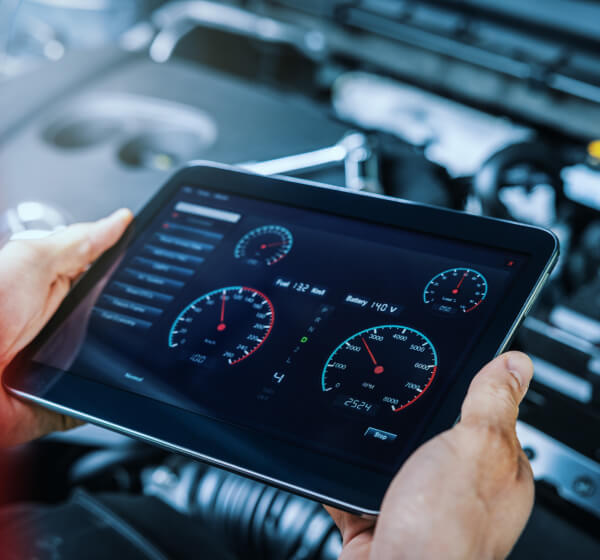
Technology is extending the operational ceiling. Modern touchless systems now integrate IoT remote monitoring, AI-based diagnostics, license plate recognition, digital payment systems, and predictive maintenance capabilities. Remote diagnostics can cut downtime by up to 50% [Shinewash Technology, 2025], which is critical for a business model where operational uptime directly equals revenue. For small business owners who want to manage multiple sites or maintain a low-touch operational model, this technology infrastructure is a significant quality-of-life advantage compared to labor-intensive service businesses.
The Subscription Model: Turning a Car Wash Into a Recurring Revenue Engine
| Metric | Pay-per-wash model | Subscription model | Improvement |
|---|---|---|---|
| Revenue predictability | Low (weather-dependent) | High (monthly MRR) | Structural shift |
| Monthly renewal rate | N/A | ~60% | Sticky revenue |
| Customer lifetime value | Baseline | +65% (at 45% penetration) | +65% |
| Regular customer volume | Baseline | +40% (case study) | +40% |
| Overall revenue boost | Baseline | +25% (case study) | +25% |
| Industry adoption rate | — | ~45% of operators | Fast-growing |
| EBITDA multiple impact | Standard multiple | Higher multiple (M&A) | Valuation uplift |
If the touchless car wash is the hardware, the subscription model is the operating system that makes it truly recession-resistant.
The “unlimited wash club” concept has swept the industry over the past five years, and the data on its impact is striking. Membership renewal intent among car wash subscribers remains “exceptionally high” according to the International Carwash Association’s Q4 2025 industry report [ICA, 2025]. Even as the broader industry moderates its growth expectations for 2026, consumer satisfaction strengthened in Q4 2025, and core membership customers have shown notable stability despite broader economic pressure.
What makes this model so powerful in a downturn? Three things:
First, the psychology of sunk cost works in the operator’s favor. A member who has already paid $30 this month is highly motivated to use the service — driving wash frequency up and per-unit acquisition costs down.
Second, subscriptions smooth seasonality. Car wash revenue traditionally dips in the winter months in northern markets. A subscription base provides a revenue floor regardless of weather or seasonal patterns.
Third, memberships are resistant to recession churn in a way that is counterintuitive. A $30 monthly membership feels like a bill to be paid — a household fixture — rather than an optional luxury to be cut. Industry data suggests 60% of subscribers renew monthly, creating a stabilizing effect on cash flow [Shinewash Technology, 2025]. EBITDA valuation multiples for subscription-forward car wash businesses have risen correspondingly, as M&A buyers recognize the quality of recurring revenue streams [First Page Sage, 2025].
What the Investment Actually Looks Like
| Advantage | Touchless car wash | Office property | Restaurant franchise | E-commerce store | Data point |
|---|---|---|---|---|---|
| Annual ROI | 20–35% | 4–8% | 10–15% | 5–20% | dojobusiness, 2026 |
| Net profit margin | 25–60% | 10–20% | 5–10% | 10–20% | mmcginvest, 2025 |
| Labor cost savings (vs. manual) | 60–70% | N/A | Minimal | Variable | Shinewash, 2025 |
| Water savings vs. hand wash | Up to 85% | N/A | N/A | N/A | Shinewash, 2025 |
| EV market compatibility | High | N/A | N/A | N/A | Superior CWS, 2025 |
| E-commerce disruption risk | None | Moderate | Low | High | innowave, 2025 |
| Downtime reduction (IoT/AI) | Up to 50% | N/A | N/A | Variable | Shinewash, 2025 |
For entrepreneurs evaluating entry into this space, it’s worth grounding the opportunity in realistic numbers.
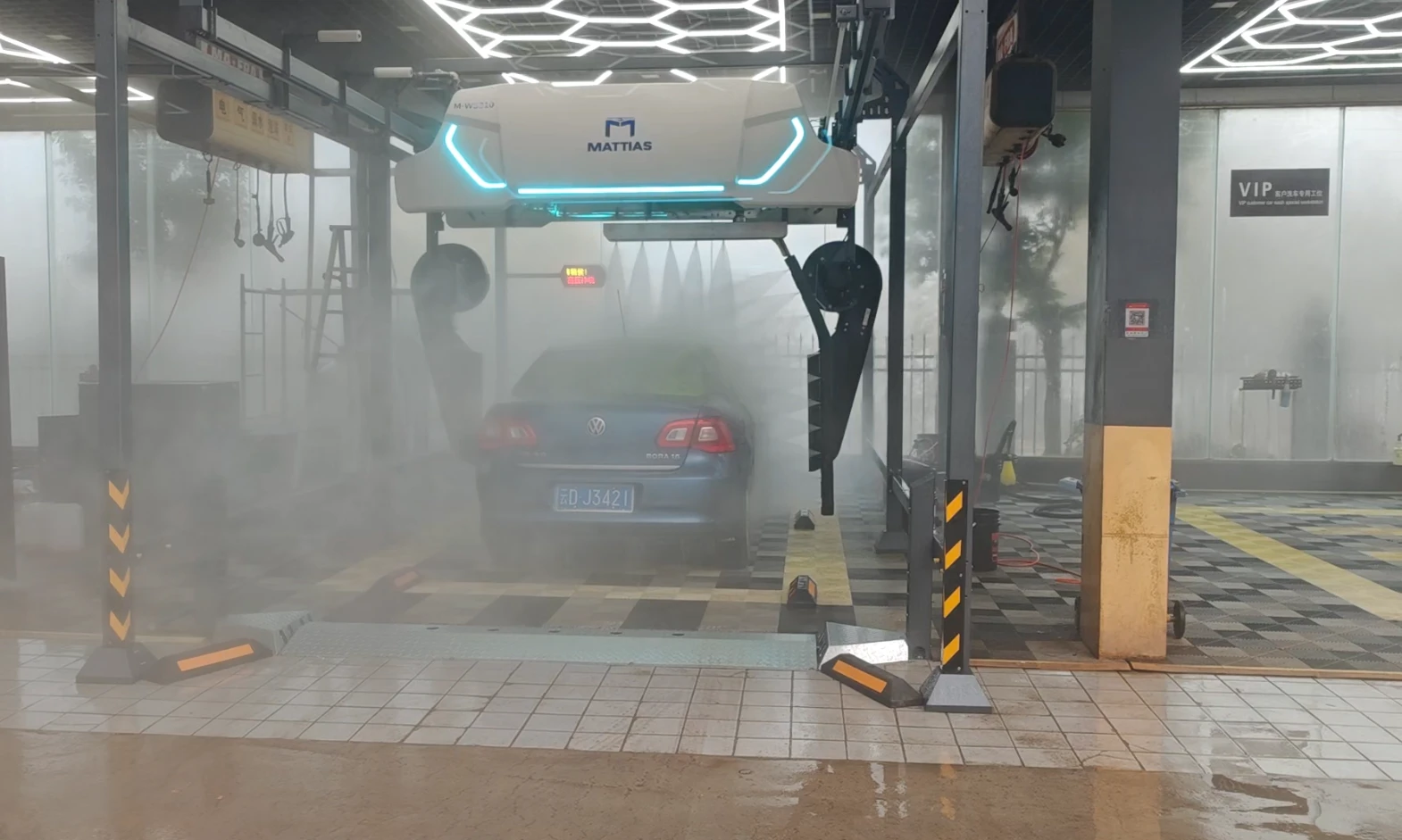
A touchless in-bay automatic system at a standalone location typically requires an initial capital investment in the range of $150,000 to $500,000, depending on site, equipment grade, and local construction costs. This can often be financed through SBA-backed loans, making it accessible to small business operators without institutional capital. Monthly revenue for in-bay automatic systems averages roughly $11,583 per location at baseline, with higher-traffic or premium-positioned units generating substantially more [dojobusiness, 2025].
The business also offers the rare combination of real estate value and operating income. Land and equipment hold tangible value — providing downside protection in a way that purely service-based businesses cannot. Car washes are largely immune to the forces that have disrupted other commercial property categories: e-commerce cannot displace them, remote work does not reduce vehicle ownership, and no digital substitute exists for physically cleaning a car.
Breaking into the market as a first-time operator is made more accessible by the industry’s still-fragmented landscape. The U.S. car wash market remains highly fragmented, with tens of thousands of independent operators alongside national chains — creating room for nimble, community-rooted small operators to compete and thrive with the right location and execution.
The Risks Worth Knowing
No investment is without risk, and intellectual honesty requires naming them clearly.
High upfront capital costs are the primary barrier to entry. Equipment, site preparation, permitting, and construction represent meaningful capital requirements before the first wash is completed. Operators who undercapitalize or choose poor locations are exposed.
Competition is intensifying. The industry’s strong economics have attracted significant private equity interest, and express tunnel chains have expanded aggressively over the past several years. Annual new store construction peaked at around 850–900 in 2023 before moderating to roughly 550 per year [carwash, 2025]. The key implication: location selection is increasingly determinative of success. A touchless wash in a well-trafficked, underserved corridor will outperform one placed in an already-saturated market.
Equipment maintenance is an ongoing operational reality. Touchless systems involve high-pressure pumps, chemical delivery systems, and sophisticated electronics that require regular servicing. Operators should budget for maintenance costs and build preventative maintenance programs from day one.
Cleaning performance perceptions can be a customer education challenge. Some consumers perceive touchless systems as less thorough than friction-based washes. Effective marketing, premium chemical formulations, and strong customer communication can largely overcome this, but it is a real dynamic that operators need to manage.
The Bottom Line
The touchless car wash is not a get-rich-quick proposition. It is something more durable and more interesting than that: a cash-flow positive, asset-backed, labor-light business in a growing market, with a subscription revenue model that creates real resilience against economic cycles.
The convergence of factors — rising EV ownership requiring touchless-friendly facilities, tightening environmental regulations favoring professional operators, expanding subscription culture, advancing automation technology, and a proven track record of performance during economic downturns — makes 2026 a particularly compelling moment to evaluate this investment seriously.
The industry isn’t contracting. It isn’t standing still. It’s recalibrating, as the International Carwash Association put it, “adjusting expectations, not retreating” [ICA, 2025]. Consumers are still showing up. Memberships are still renewing. And somewhere in an underserved zip code near you, there’s very likely a high-traffic corner that hasn’t yet figured out what the smart money already knows.
Frequently asked questions about touchless car wash as a recession-resistant small business investment in 2026
Frequently asked questions
A touchless in-bay automatic system at a standalone location typically requires $150,000–$500,000 in upfront capital, covering site preparation, equipment, permitting, and construction. That investment is often financeable through SBA-backed loans. Once operational, most car wash businesses generate annual ROI of 20–35%, with break-even typically reached within two to four years. Well-positioned automated locations report net profit margins of 25–60% — far above the U.S. small business average of under 10%. Operators who acquire an existing, cash-flowing location often shorten the payback timeline significantly.
Startup cost $150K–$500K
Annual ROI 20–35%
Break-even 2–4 years
Net margin 25–60%
While car washing is technically discretionary, the average wash price of $10–$20 sits at a micro-discretionary threshold — one that most households maintain even during downturns. During COVID-19, touchless and in-bay automatic washes actually saw usage surge, as drivers sought contactless, low-cost vehicle care. The industry experienced only a brief revenue dip in 2020 before recovering faster than most service sector peers. Beyond price psychology, the subscription membership model transforms what was once a transactional business into a recurring revenue stream — one that is far stickier during economic contractions than one-off purchases.
The unlimited wash membership — typically priced around $20–$50 per month — is now the single most powerful lever for stabilizing car wash revenue. About 45% of touchless and automated operators have adopted it. One industry case study found that launching a $29.99/month plan drove a 40% increase in regular customers and a 25% boost in overall revenue. Moving membership penetration from 25% to 45% of sales increases customer lifetime value by an estimated 65%. For small operators, implementation is relatively straightforward: modern POS and wash management software handle RFID tagging, billing, and digital sign-ups with minimal technical overhead.
Electric vehicles are a structural tailwind for touchless operators. EVs are equipped with LIDAR sensors, ADAS cameras, and delicate charging port hardware that are vulnerable to traditional brush-based car washes. Manufacturers, including Tesla, specifically recommend touchless or soft-cloth systems in their owner manuals. As EV penetration climbs steadily across U.S. roads, the pool of drivers who actively prefer — or are directed toward — touchless facilities grows alongside it. Touchless car washes that market themselves as EV-compatible and eco-friendly are positioned to capture this high-income, loyalty-prone customer segment with above-average wash frequency.
Competition has intensified, but saturation is highly location-dependent rather than universal. New store construction has moderated from a peak of ~850–900 annually in 2023 down to roughly 550 per year — a sign the industry is maturing, not collapsing. The U.S. market remains highly fragmented with tens of thousands of independent operators, and underserved corridors still exist in many suburban and secondary markets. The key variable is not national competition but hyper-local supply and demand. A well-located touchless wash in an underserved zip code can still achieve strong returns; one placed in an already-dense market will struggle. Location selection is the single most determinative decision a new entrant makes.
Four risks deserve serious attention. First, high upfront capital: equipment, site prep, and permitting represent meaningful sunk costs before the first wash. Undercapitalization is a common failure mode. Second, location misjudgment: a poor site — low traffic, poor visibility, or oversaturated market — undermines even excellent operations. Third, equipment maintenance: high-pressure pumps, chemical delivery systems, and electronics require consistent preventive care; deferred maintenance accelerates downtime and erodes margins. Fourth, cleaning perception: some customers believe touchless washes are less thorough than friction-based alternatives — operators need strong chemical formulations and customer education to manage this. None of these risks is a dealbreaker, but all require disciplined planning before entry.
References
- Grand View Research. (2025). U.S. Car Wash Services Market Size & Industry Report, 2033.
- Grand View Research. (2025). Car Wash Service Market Size, Share | Industry Report, 2033.
- Business Research Insights. (2026). Touchless Car Wash System Market 2026–2035 | Analysis & Growth Drivers.
- HTF Market Insights. (2025). Touchless Car Wash System Industry Observing Fabulous Growth.
- Future Market Report. (2025). Touchless Automatic Car Wash System Market Size, Share & Industry Analysis.
- innowave-studio. (2025, October 29). Car Wash Investment Opportunities in 2025: Market Growth, Trends, and ROI in the U.S.
- International Carwash Association. (2025, December 18). CAR WASH Pulse™ Q4 2025: Industry Braces for Slower Growth in 2026 as Consumers Stay Resilient and Outlooks Diverge.
- mmcginvest. (2025, June 3). U.S. Car Wash & Auto Detailing Industry Overview (2025).
- KMF Business Advisors. (2025). Car Wash Business Profitability.
- Superoperator. (2025). How Profitable Is an Automated Car Wash?; What Is the Average Revenue of a Car Wash?
- dojobusiness. (2026). Car Wash: Average Revenue, Profit, and Margins (2026).
- First Page Sage. (2025). Car Wash EBITDA & Valuation Multiples – 2025 Report.
- Financial Models Lab. (2026). 7 Strategies to Increase Car Wash Profit Margins by 50%.
- carwash. (2025, November 3). 2025 State of the Carwash Market: Growth and Opportunity.
- Superior Car Wash Supply. (2025). How the Electric Vehicle Boom Is Changing Car Wash Practices in 2025.
- Shinewash Technology. (2025). 2025 Global Automatic Car Wash Machine Trends.
- Global Growth Insights. (2026, January 9). Automatic Car Wash Machines Market Size & Statistics 2026.