




For the past few years, the narrative around car wash investing has been crowded with skepticism. Critics pointed toward rapid private equity consolidation, shifting interest rates, and the specter of localized saturation as signs that the “easy money” had already been made. Some even suggested the industry was heading for a clean-and-press stall.
In reality, 2026 is proving those skeptics wrong. The industry hasn’t hit a wall; it has reached a state of sophisticated maturity. For the disciplined investor who recognizes where value is truly generated, car washes remain one of the most resilient, scalable, and technologically upgradeable assets in the modern services economy.
We are no longer in the frantic “gold rush” phase. We have entered the era of operational precision, data-backed leverage, and strategic capital allocation. That shift is exactly why the opportunity is more robust than ever for those playing the long game.
A Structural Shift Toward Resilience
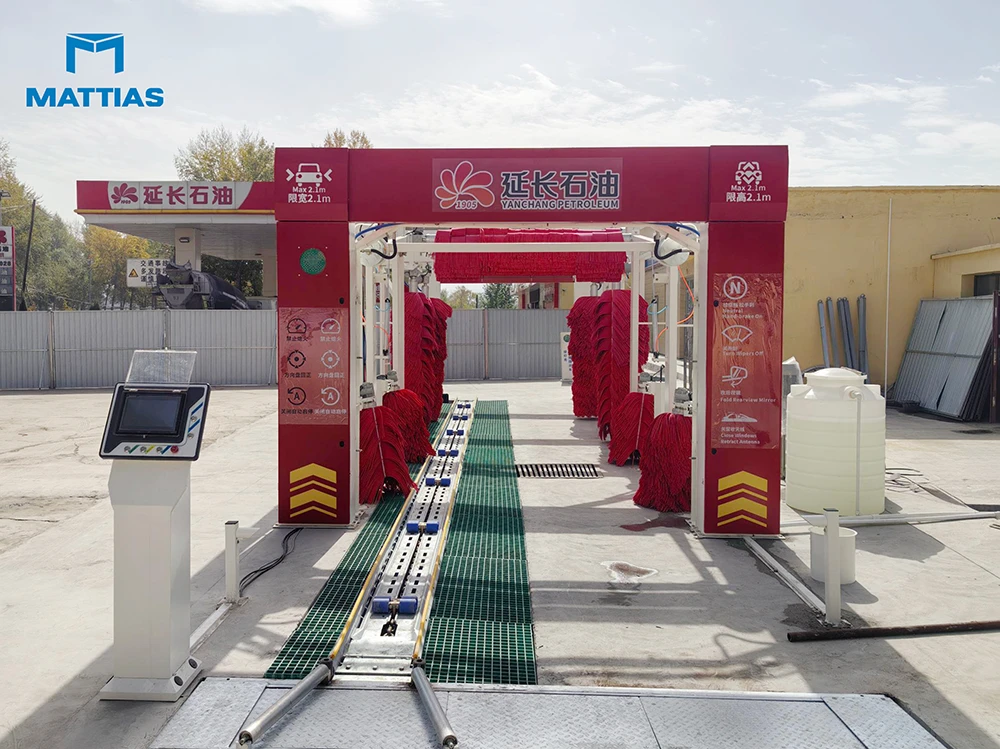
Despite the macroeconomic headwinds that defined the early 2020s, the underlying fundamentals of the car wash sector remain unshakable. The North American express market is on a steady climb toward a $21.7 billion valuation by 2030, with the global market expected to clear the $40 billion mark by the end of this year.
This growth isn’t built on hype—it’s built on structural consumer behavior:
-
The Death of DIY: Modern consumers prioritize convenience and professional results over the driveway bucket and hose.
-
Environmental Mandates: Professional washes use significantly less water and manage runoff more responsibly than home washing, aligning with 2026 ESG standards.
-
Vehicle Longevity: As the average age of cars on the road increases, owners are more incentivized to maintain their vehicles’ exterior integrity to preserve resale value.
-
Subscription Normalization: The “Netflix-of-washing” model has moved from a novelty to a standard household utility.
The financial markets continue to validate this stability. Leading operators like Mister Car Wash have maintained multi-billion dollar market caps into 2026, signaling that institutional confidence is anchored in performance, not speculation. When consumer sentiment softens, people may skip the dealership, but they don’t skip the wash.
The 2025 Data: Proof in the Performance
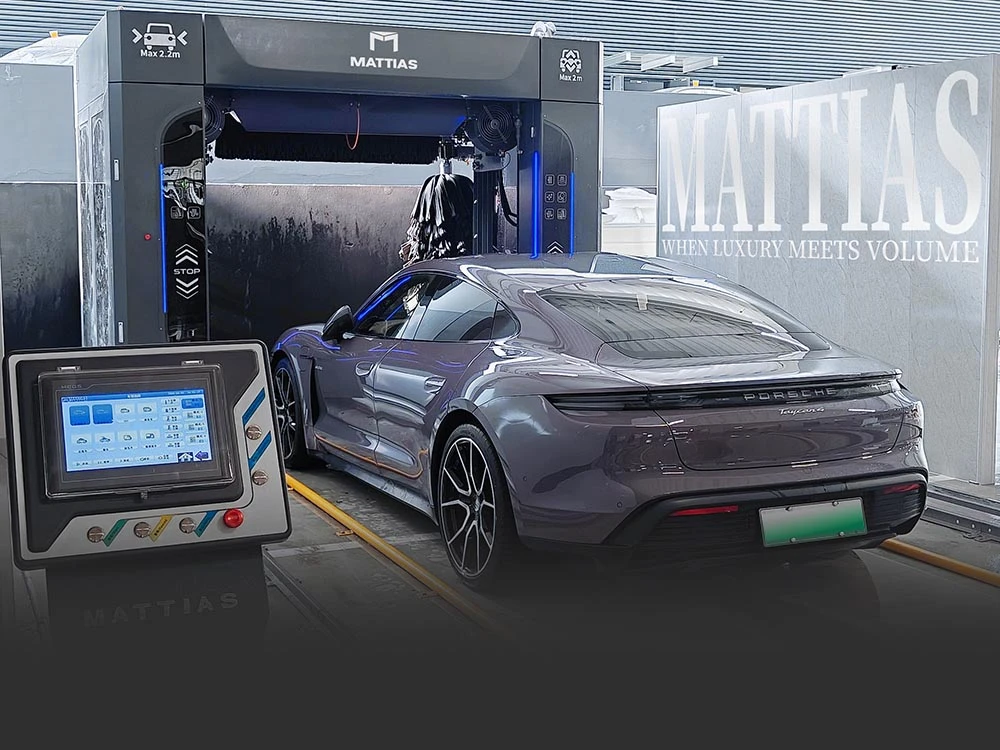
Looking back at the 2025 fiscal year provides the empirical evidence needed to support a bullish 2026 thesis. The data highlights a sector that has successfully pivoted to high-margin, recurring-revenue operations.
Expanding Margins and Revenue
The industry didn’t just survive 2025; it optimized:
-
Total Revenue Growth: The U.S. market reached an estimated $20.7 billion last year, reflecting a stable, mid-single-digit upward trajectory.
-
Efficiency Gains: Profit margins expanded as operators integrated better chemical management and labor-saving automation.
-
The Express Edge: High-efficiency express tunnels continue to outperform, frequently yielding EBITDA margins between 40% and 60%—a rarity in the service sector.
The Anchor of Recurring Revenue
The subscription model has become the ultimate stabilizer. According to industry reports from late 2025, membership revenue grew by approximately 10% year-over-year. This predictable cash flow effectively decouples the business from the whims of the weather.
-
Lifetime Value: A subscription member generates more than 3x the lifetime value of a “pay-as-you-go” retail customer.
-
Churn Stability: Total churn has leveled off at manageable rates, suggesting that memberships are now a “sticky” part of the consumer’s monthly budget.
Operational Excellence as the Great Divider
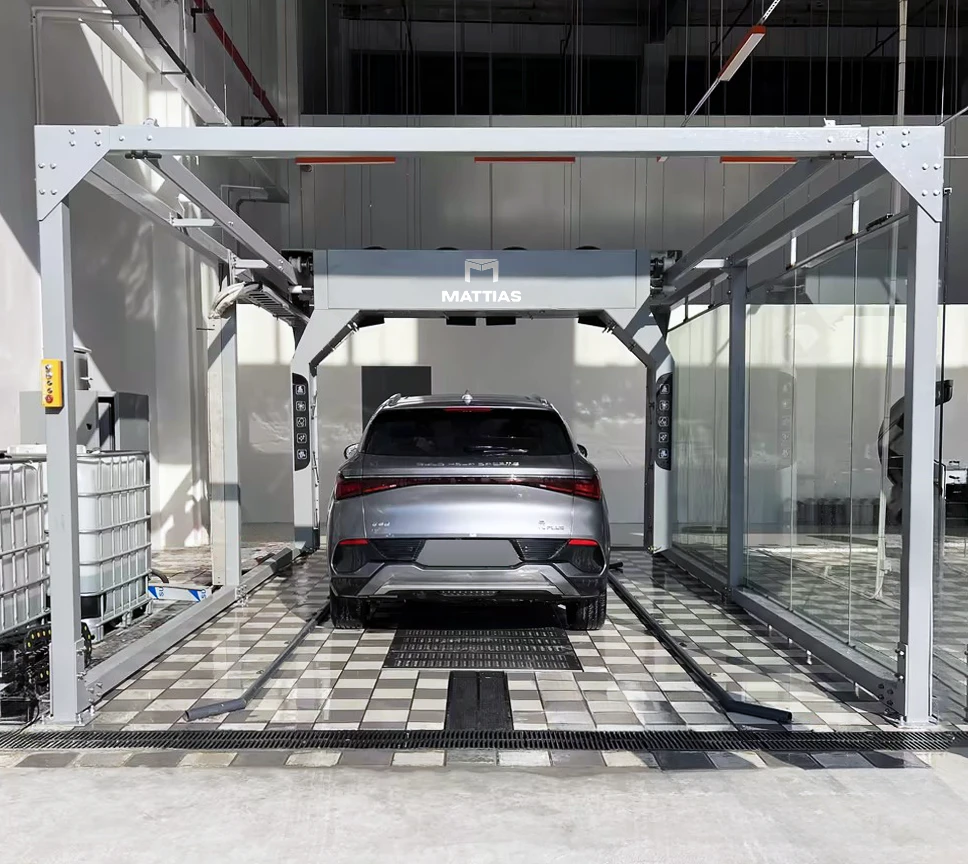
In 2026, the differentiator is no longer how many sites you can build, but how well you can run them. The “set it and forget it” mentality has been replaced by a focus on throughput discipline and uptime reliability.
Modern investors are looking for sites that utilize:
-
LPR (License Plate Recognition): To ensure frictionless entry and higher conversion.
-
AI-Driven Monitoring: To predict equipment failure before it causes a shutdown.
-
Labor Optimization: Keeping labor costs below 15-20% of revenue through intelligent automation.
Unlocking Value in Existing Assets
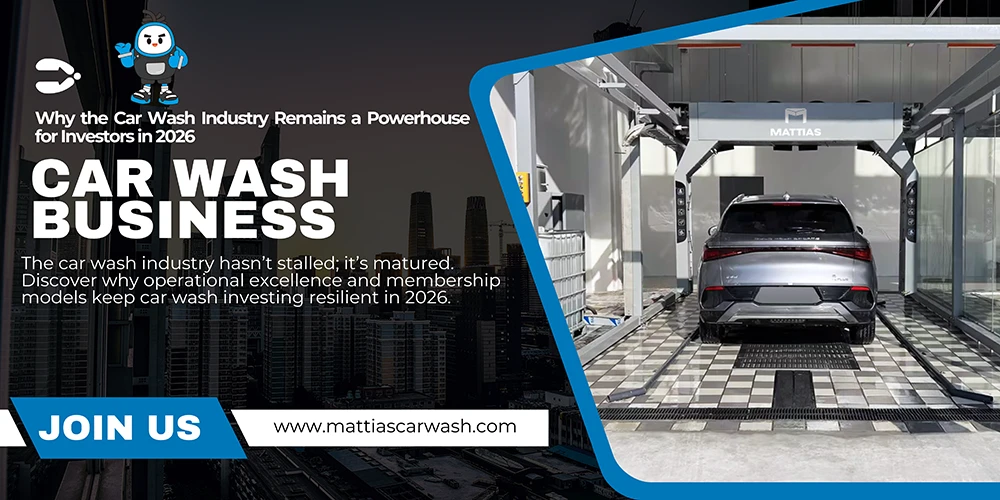
One of the most compelling opportunities in 2026 isn’t the ground-up build; it’s the strategic upgrade. Many existing sites possess prime real estate but outdated technology. By deploying modernization programs—like those offered by Mattias—investors can unlock trapped value without the massive capital expenditure of a new build.
Upgrading equipment, improving the point-of-sale (POS) systems, and refining the membership funnel can dramatically increase cars-per-hour and valuation multiples, often delivering a superior ROI compared to selling an underperforming asset.
Technology is the New Table Stakes
Whether you are entering the market fresh or optimizing a legacy portfolio, technology is no longer optional. It is the engine of the business. From automated chemical controls to data-driven pricing tools, the winners in 2026 are those who use tech to drive consistency.
The opportunity in the car wash industry is very much alive for those who treat it as a business of fundamentals. By leaning into operational rigor and modernizing for the future, investors can secure a stable, high-yield asset that stands the test of time.
FAQ (Frequently Asked Questions)
Q: Is the car wash market currently oversaturated for new investors? A: While some local markets have seen high density, the industry as a whole is maturing rather than saturating. The opportunity has shifted from “any wash will work” to “the best-operated wash wins.” Investors focusing on operational excellence and technological upgrades still find significant room for growth.
Q: How does the membership model protect against economic downturns? A: Subscriptions transform the business from a transactional, weather-dependent model into a predictable utility. Because the cost is relatively low and the value is high, consumers tend to retain their wash memberships even when tightening their belts elsewhere, providing investors with a “recession-resistant” cash flow.
Q: What is the average EBITDA margin for a well-run express car wash in 2026? A: High-performing express tunnels that leverage modern automation and membership models typically see EBITDA margins in the 40% to 60% range. This is significantly higher than traditional full-service models, largely due to reduced labor costs and optimized chemical usage.