










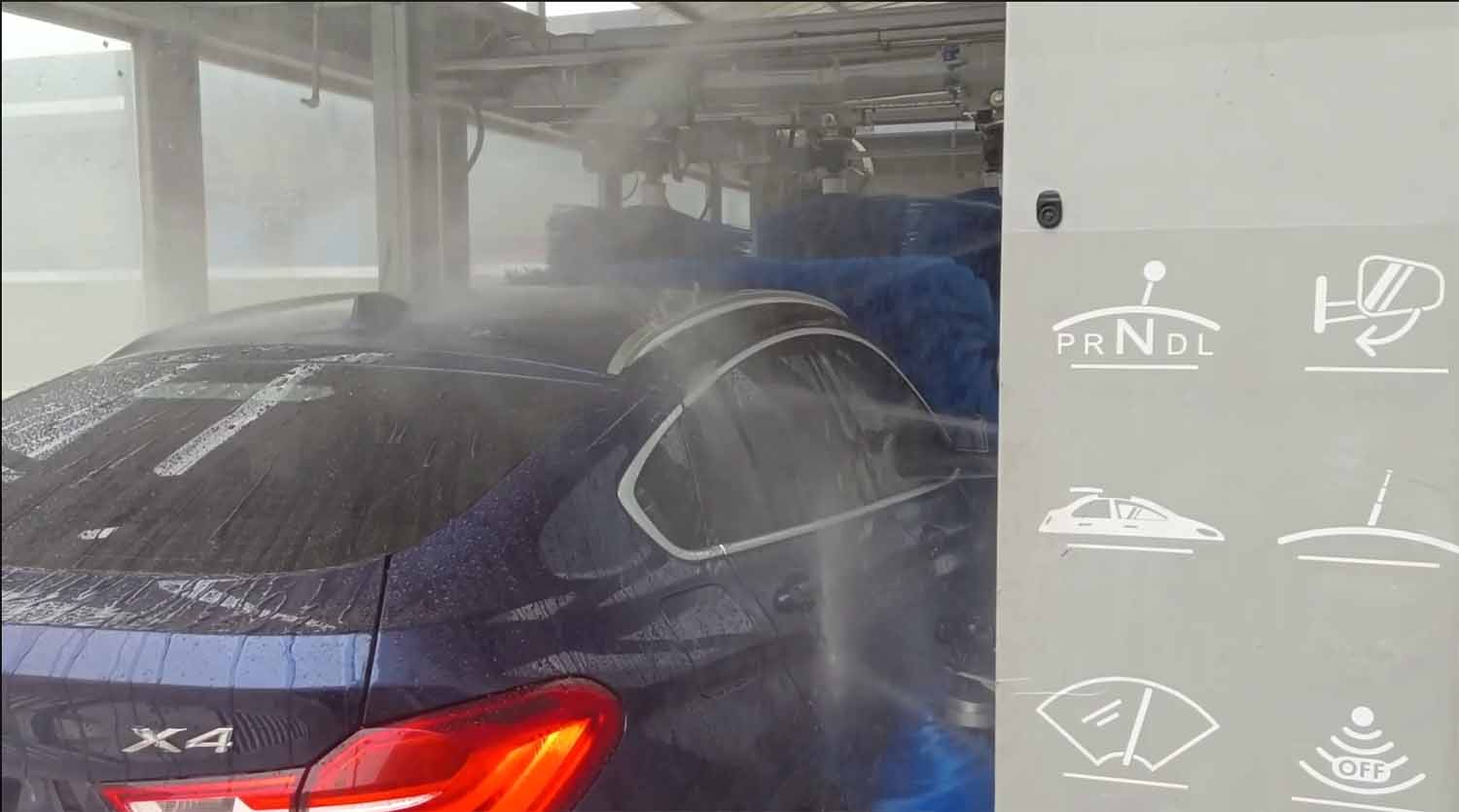

A tunnel car wash machine, also known as an automatic car wash, is a mechanized facility designed to clean and wash vehicles automatically without requiring manual labour.
In this type of car wash machine, the vehicle owner drives their car into a specialized bay or area, and the cleaning process is initiated by automated machinery and systems.
Benefits of drive-through car wash machines include time efficiency, consistent cleaning results, and, in some cases, environmental considerations such as water conservation and the use of eco-friendly cleaning agents.

These automated systems are popular for their convenience and ability to handle a high volume of vehicles in a short amount of time.
Benefits of Using a Tunnel Car Washing Service
For a car owner, the importance of using a tunnel car wash machine lies in several key benefits:
- Time Efficiency: It offers a quick and efficient way to clean your vehicle. The automated process is usually faster compared to washing your car manually, allowing you to save time and effort.
- Consistent Cleaning Results: These systems are designed to provide consistent and uniform cleaning results. Automated processes ensure that every part of your vehicle is cleaned thoroughly, leaving a polished and well-maintained appearance.
- Preservation of Vehicle’s Exterior: Regular cleaning helps to preserve the exterior of your car by removing dirt, road salt, bird droppings, and other contaminants. This is important for preventing long-term damage to the paint, which can lead to rust and deterioration.
- Convenience and Accessibility: Drive-through car washes are readily available in many locations, making them convenient for car owners. Whether you’re on a busy schedule or simply want a hassle-free cleaning experience, these facilities offer accessibility and ease of use.
- Time-Saving Alternative to Manual Washing: While manual car washing can be a satisfying activity for some car enthusiasts, it can be time-consuming and physically demanding. DTCW system provides a time-saving alternative, allowing you to keep your vehicle clean without the need for hands-on labour.
- Environmental Considerations: Some drive-through car washing brands use environmentally friendly practices, such as water recycling and the use of eco-friendly cleaning agents. This can align with the environmentally conscious choices of car owners who want to minimize their ecological impact.
- Preservation of Resale Value: Regular cleaning and maintenance contribute to preserving the resale value of your car. A well-maintained and clean vehicle is more likely to attract potential buyers and can command a higher resale price.
- Protection Against Harsh Elements: It helps protect your vehicle against harsh elements like UV rays, road salt, and acidic contaminants. Regular cleaning can extend the life of your car’s exterior and keep it looking newer for a longer time.
Types of Drive-Through Car Washing Systems
Drive-through car washing systems come in various types, each employing different technologies and methods to clean vehicles efficiently. Here’s an overview of each:
In-Bay Automatic Car Wash Machine
In-bay automatic car washes are often found in gas stations and convenience stores. They use a combination of automated equipment, such as sprayers and brushes, to clean the vehicle.
Advantages:
- Convenience: In-bay automatics are convenient for car owners as they are often available in easily accessible locations.
- Automated Process: These systems provide a hands-free and automated cleaning experience.
Tunnel Automatic Car Wash Machine
Tunnel car wash systems involve a conveyor belt that moves the vehicle through a tunnel-like structure, where various cleaning components are stationed.
Advantages
- Efficiency: Tunnel systems are designed for high-volume cleaning, making them suitable for busy car wash facilities.
- Consistency: The conveyor ensures a consistent speed and timing for each vehicle, resulting in uniform cleaning.
Average Price of a Drive-Through Car Wash
On average, a basic drive-through car washes typically range between $5 to $15. However, the price of a car wash can vary depending on several factors, including the location, the type of car wash, and any additional services offered.
| Wash Type | Description | Price Range |
| Basic Wash | Standard wash with high-pressure water and soap | $5 – $10 |
| Standard Wash | Includes undercarriage and wheel cleaning | $10 – $15 |
| Premium Wash | Additional features like triple-foam wax | $15 – $25 or more |
| Unlimited Memberships | Monthly memberships for unlimited washes | $20 – $50 per month |
Components of Drive-Through Car Washing Systems
Drive-through car washing systems typically consist of various components and follow a specific process to clean vehicles efficiently.
Please note: Exact equipment and process can vary among different car wash system brands. Below is a general overview for a vehicle owner.
- Entrance Gate: Sensors or manual entry for vehicles to enter the car wash area.
- Payment Station: Payment kiosk or automated payment system where customers pay for the car wash.
- Traffic Control System: Traffic lights or signals to guide vehicles through the car wash in an organized manner.
- Pre-Wash Area: High-pressure pre-wash sprayers to remove loose dirt and debris (Pre-soak arches that apply a chemical solution to help loosen dirt).
- Brushes and Friction Cleaning: Soft or cloth brushes that rotate or move horizontally to scrub the vehicle’s surface. Other side, wheel brushes for cleaning tires.
- Detergent Application: Detergent dispensers or arches that apply soap or cleaning solution to the vehicle.
- High-Pressure Rinse: High-pressure rinse arches that use water to remove soap and remaining dirt.
- Spot-Free Rinse: Arch or system that applies a spot-free rinse or water treatment to prevent water spots.
- Drying System: The system uses air dryers or blowers to remove water from the vehicle’s surface. However, in some systems, additional drying materials like cloth or soft fabric may be used.
- Wax and Polish Application (Optional): Wax or polish applicators that apply a protective coating to the vehicle’s surface.
- Exit Gate: Sensors or manual exit points for vehicles to leave the car wash area.
- Tracking System: Conveyor or track system that moves the vehicle through the car wash process.
- Vacuum Stations (Optional): Depending on the service provider brands, you can also take advantage of a vacuum to clean the interior of their vehicles.
How Does Drive-Through Car Washing System Work?
A drive-through car washing system is a mechanized and automated process. Below is a step-by-step explanation of how a typical drive-through car washing system works:
- Entrance and Payment: The process begins when a customer drives their vehicle to the entrance of the car wash facility. At the entrance, there may be a payment kiosk or automated payment system where the customer selects and pays for the desired car wash package.
- Traffic Control System: Once payment is confirmed, a traffic control system guides the vehicle to the starting point of the car wash process. Traffic lights or signals may indicate when the vehicle should move forward.
- Pre-Wash Area: The vehicle enters the pre-wash area, where high-pressure sprayers and pre-soak arches apply a cleaning solution to loosen and remove loose dirt and debris. This step also prepares the vehicle for the main wash process.
- Brushes and Friction Cleaning: The vehicle moves into the main wash section, where rotating brushes or cloth strips clean the vehicle’s surface. I’ve also seen wheel brushes may also be employed to clean the tires and rims.
- Detergent Application: Detergent applicators apply soap or cleaning solution to the vehicle, enhancing the cleaning process. This step helps to break down and remove stubborn dirt and contaminants.
- High-Pressure Rinse: High-pressure rinse arches or nozzles spray water to remove soap and remaining dirt from the vehicle’s surface. This step also prepares the vehicle for the next stages of the process.
- Spot-Free Rinse: Arch or system applies a spot-free rinse or water treatment to prevent water spots from forming on the vehicle. This helps in achieving a streak-free and spot-free finish.
- Drying System: The vehicle moves through a drying system where air dryers or blowers remove water from the vehicle’s surface. I’ve seen some systems may also use additional drying materials such as cloth or soft fabric.
- Optional Wax and Polish Application: If the car wash offers additional services, an optional step may include the application of wax or polish to provide extra protection and shine to the vehicle’s exterior.
- Exit Gate: After completing the cleaning and drying process, the vehicle is guided towards the exit gate. The exit gate may have sensors or be operated manually.
- Customer Exit: The customer exits the car wash facility, and the process is complete.
An easy, smart decision for everyone from automotive dealers to fleets, gas stations to convenience stores, and rental agencies, the MacNeil ExpressLane Drive-Through car wash equipment makes it incredibly simple to improve your car wash center.