











In the rapidly evolving landscape of the professional car wash industry, the margin between a standard operation and a market-leading enterprise is often found in the technical details. For individual investors, agents, and distributors specialising in fully automated car wash machines, the pursuit of “the perfect wash” is not merely about aesthetics—it is about operational efficiency, customer retention, and long-term profitability.
As the industry shifts toward high-speed, touchless, and friction-integrated automated systems, the role of water quality has moved from a secondary consideration to a primary strategic asset. Central to this evolution is the implementation of Deionised (DI) water systems. By understanding the science and economic impact of DI water, stakeholders can unlock significant competitive advantages that define the success of a modern car wash investment.
The Science of Purity: Defining Deionized Water
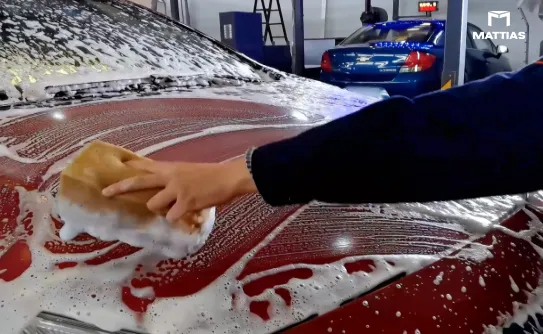
To appreciate the value proposition of deionised water, one must first distinguish it from standard tap water and other forms of filtration. While “regular” water—the municipal supply typically used in residential and low-end commercial applications—undergoes basic treatment for safety, it remains saturated with dissolved solids and minerals.
Deionised water is water that has been purified at a molecular level. Through a sophisticated process known as ion exchange, the water is passed through specialized resins that act as a chemical magnet. These resins target and remove mineral ions such as calcium, magnesium, sodium, chloride, and sulfates. In this process, the mineral ions are replaced with hydrogen and hydroxyl ions, which combine to form pure H2O.
Unlike distilled water, which is produced through a boiling and condensation process that is often energy-intensive and less efficient for high-volume industrial use, DI water systems provide a scalable, high-flow solution perfectly suited for the demands of a high-traffic automated car wash.
1. The “Spot-Free” Guarantee: Elevating Customer Lifetime Value
For an investor, the most critical metric is customer retention. In the car wash industry, the “Spot-Free Rinse” is the hallmark of quality. When standard tap water evaporates from a vehicle’s surface, it leaves behind the minerals it previously held in suspension. These minerals manifest as unsightly white spots or “scaling,” particularly visible on glass and dark paintwork.
By utilizing DI water in the final rinse stage, the automated system ensures that the liquid remaining on the vehicle is entirely free of dissolved solids. As the water evaporates, it leaves nothing behind—resulting in a pristine, streak-free finish without the need for manual labor. For the distributor, this is a powerful selling point; for the investor, it translates into premium pricing tiers and a reputation for excellence that drives repeat business.
2. Enhancing Operational Throughput and Efficiency
In the world of automated car washing, “Cars Per Hour” (CPH) is the definitive measure of revenue potential. Standard water often requires longer drying cycles or supplemental manual wiping to prevent spotting. These bottlenecks limit the speed of the conveyor or the turnover of the in-bay automatic machine.
Deionized water streamlines the transition from the rinse stage to the drying stage. Because the water is inherently “hungry” to absorb particulates and leaves no residue, high-velocity blowers become significantly more effective. By reducing the time required for each vehicle to reach a “delivery-ready” state, DI systems allow operators to increase their CPH, directly impacting the bottom line during peak operating hours.
3. Optimizing Chemical Efficacy and Reducing Overhead
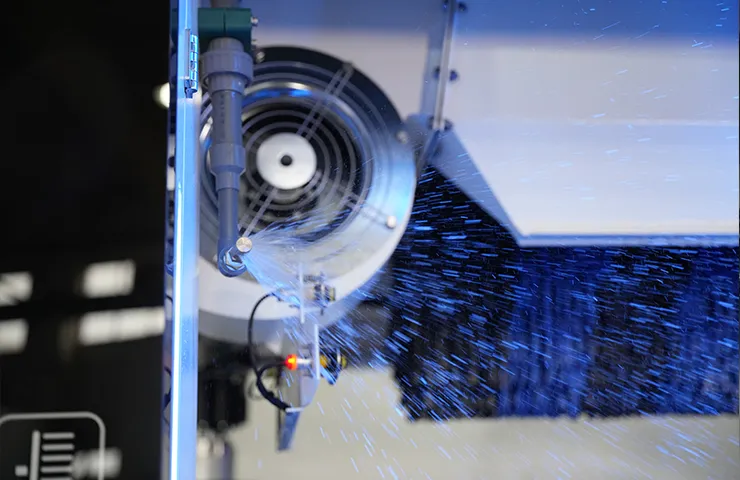
One of the most overlooked advantages of deionized water is its interaction with car wash chemicals—soaps, detergents, and waxes. Most professional car wash chemicals are formulated to perform best in pure water.
Standard “hard” water contains calcium and magnesium, which react with detergents to form “soap scum” and reduce the foaming action. This forces operators to increase chemical titration (the concentration of soap) to achieve the desired cleaning effect.
By using purified water, distributors can demonstrate to their clients a significant reduction in chemical consumption. When the water does not fight the soap, the chemicals can work at peak efficiency. This not only lowers the cost per wash but also ensures a more consistent “show” (the visual foam and scent) that customers have come to expect from high-end automated systems.
4. Sustainability and Regulatory Compliance: The Green Investment
As environmental regulations tighten globally, investors must consider the ecological footprint of their operations. Automated car washes are under increasing scrutiny regarding water usage and discharge.
DI water systems contribute to a more sustainable model in two ways. First, by increasing the efficiency of the rinse cycle, the total volume of water required per vehicle is often reduced. Second, many modern DI systems can be integrated into water reclamation and recycling setups.
Furthermore, because DI water requires fewer aggressive chemicals to achieve a clean finish, the effluent (waste water) is easier to treat and more likely to comply with local environmental standards. For the individual investor, this mitigates the risk of regulatory fines and enhances the brand’s image as an eco-conscious business.
5. Superior Surface Preparation for Premium Add-ons
The highest margins in the automated car wash business are found in “Premium” or “Ultimate” wash packages, which often include ceramic coatings, high-grade waxes, and paint sealants. The success of these products depends entirely on the cleanliness of the substrate—the car’s paint.
Minerals found in regular water can act as a barrier between the paint and the sealant. If a wax is applied over a surface with mineral residue, its longevity and shine are compromised. Deionized water ensures the surface is chemically “naked” and ready to bond with premium protectants.
For agents and distributors, this provides a compelling narrative: DI water isn’t just a rinse; it is a “performance enhancer” for the most profitable products in the car wash bay. It ensures that the “Ceramic Shield” or “Ultra Wax” the customer paid for actually delivers the 30-day shine promised, protecting the integrity of the premium brand.
6. Equipment Longevity: Protecting the Asset
For the investor, the automated car wash machine itself is a massive capital expenditure. Hard water is the enemy of industrial machinery. Over time, mineral deposits (limescale) build up inside high-pressure pumps, nozzles, and heating elements. This leads to:
-
Decreased pressure and performance.
-
Clogged nozzles causing “dead spots” in the wash pattern.
-
Frequent downtime for de-scaling and repairs.
Integrating a DI system—often in conjunction with a water softener—protects the internal components of the automated machine. This extends the lifespan of the equipment and reduces the “Total Cost of Ownership” (TCO). In the eyes of a distributor, selling a machine alongside a water purification system is not just an upsell; it is a strategy to ensure the primary machine performs reliably for years, protecting the distributor’s reputation.
Conclusion: The Path to Market Leadership
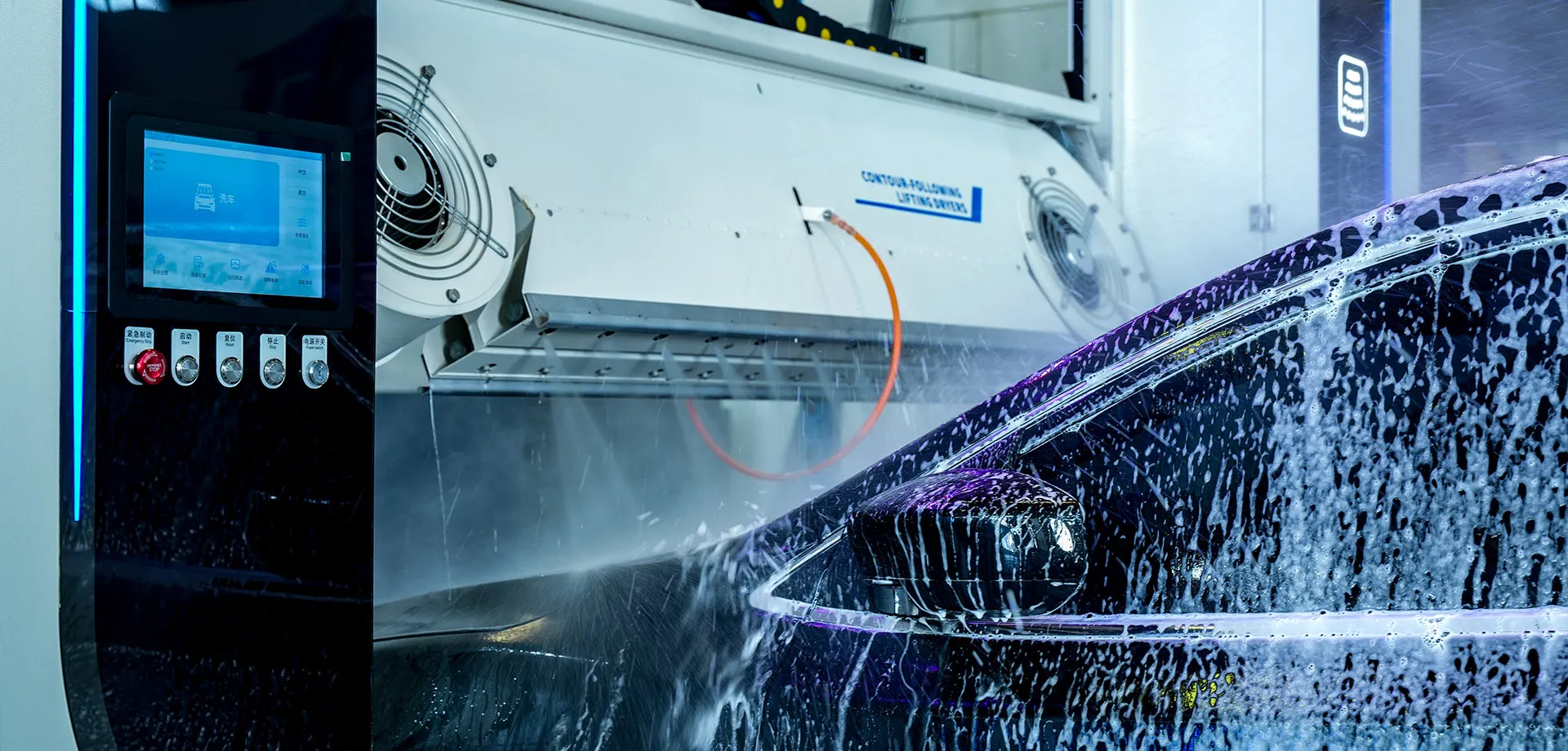
In the competitive landscape of automated car washes, the difference between a “utility” service and a “premium” experience is the water. For distributors and agents, offering deionized water solutions represents a move toward high-value consultancy. For individual investors, it represents a calculated decision to prioritize ROI, equipment longevity, and customer satisfaction.
Investing in a deionized water system is an investment in the future of the brand. It provides the “spot-free” results that modern consumers demand while simultaneously optimizing the internal economics of the car wash operation. As we look toward the next decade of car care, purity will remain the ultimate commodity.
Frequently Asked Questions (FAQs)
1. Is Deionized (DI) water the same as Reverse Osmosis (RO) water?
While both are purification methods, they are different. RO uses a semi-permeable membrane to remove about 90-99% of impurities. DI uses ion exchange resins to remove virtually 100% of mineral ions. In many high-end car washes, an RO system is used as a “pre-treatment” to remove the bulk of solids, followed by a DI “polishing” stage for the ultimate spot-free finish.
2. What is the maintenance requirement for a DI water system?
The primary maintenance involves monitoring the “total dissolved solids” (TDS) levels. When the resin beads in the DI tanks become saturated with minerals, they must be regenerated or replaced. Many distributors offer an exchange service where they swap out exhausted tanks for fresh ones, making the process seamless for the operator.
3. Will using DI water increase my cost per wash significantly?
While there is an initial investment and ongoing resin costs, these are typically offset by the reduction in chemical usage (soaps/waxes) and the ability to charge a premium for “Spot-Free” packages. Most investors find that the increase in repeat business and throughput provides a rapid return on investment.
4. Can I use DI water for the entire wash process?
Technically yes, but it is not economically efficient. Most professional operations use softened or reclaimed water for the initial high-pressure wash and soap stages, and reserve the highly purified DI water specifically for the final “Spot-Free Rinse” and the application of premium waxes.
5. Does DI water affect the car’s paint over time?
Quite the opposite. DI water is the safest medium for vehicle surfaces because it lacks the abrasive minerals and harsh chemicals found in some tap water supplies. It prevents the “etching” that can occur when minerals are left to bake into the clear coat under the sun.
6. How do I know if my location specifically needs a DI system?
If your local municipal water has a high “TDS” (Total Dissolved Solids) count or is classified as “hard water,” a DI system is essential. Even in areas with relatively soft water, a DI system provides a level of consistency that ensures your wash quality remains the same regardless of seasonal changes in the municipal water supply.