


Look, if you’ve spent even one winter here in Moscow, you know exactly what your truck looks like by February. It’s not just dirty; it’s caked in that special blend of Palouse clay and road salt that turns a shiny pickup into a grey ghost.
That right there? That’s the smell of opportunity.
But here’s the thing—opening a car wash on the Pullman Road or tucking one near South Main Street isn’t just about spraying water. It’s a numbers game. I’ve seen guys with the fanciest tunnels go under because they didn’t understand their cash flow, and I’ve seen self-serve bays mint money because they nailed the financials.
If you’re serious about this, we need to talk about how to create a car wash business plan that actually holds water with the local banks. Let’s break down how to build a machine that prints cash, even when the students leave for the summer.
It All Starts with the “Capture Rate” (Don’t Ignore This)
Before you even think about signing a lease, you need to understand your car wash capture rate. This is the percentage of passing traffic that actually turns into your driveway.
In a town like Moscow, traffic patterns are weird. You’ve got the rush on the Troy Highway, and you’ve got the slow crawl near the University of Idaho. A standard rule of thumb is capturing about 0.5% to 1.5% of daily traffic.
But here is the local secret: Visibility is everything. If you are tucked behind a fast-food joint where people can’t see your vacuum stations from the road, your capture rate drops like a rock. You need to calculate your car wash revenue based on conservative numbers. If 15,000 cars pass your site daily, can you realistically get 150 of them to stop?
The Gear: Why I Bet on the Mattias Car Wash Machine
Let’s talk hardware. You can have the best location in Latah County, but if your equipment breaks down during the first hard freeze of the year, you are dead in the water.
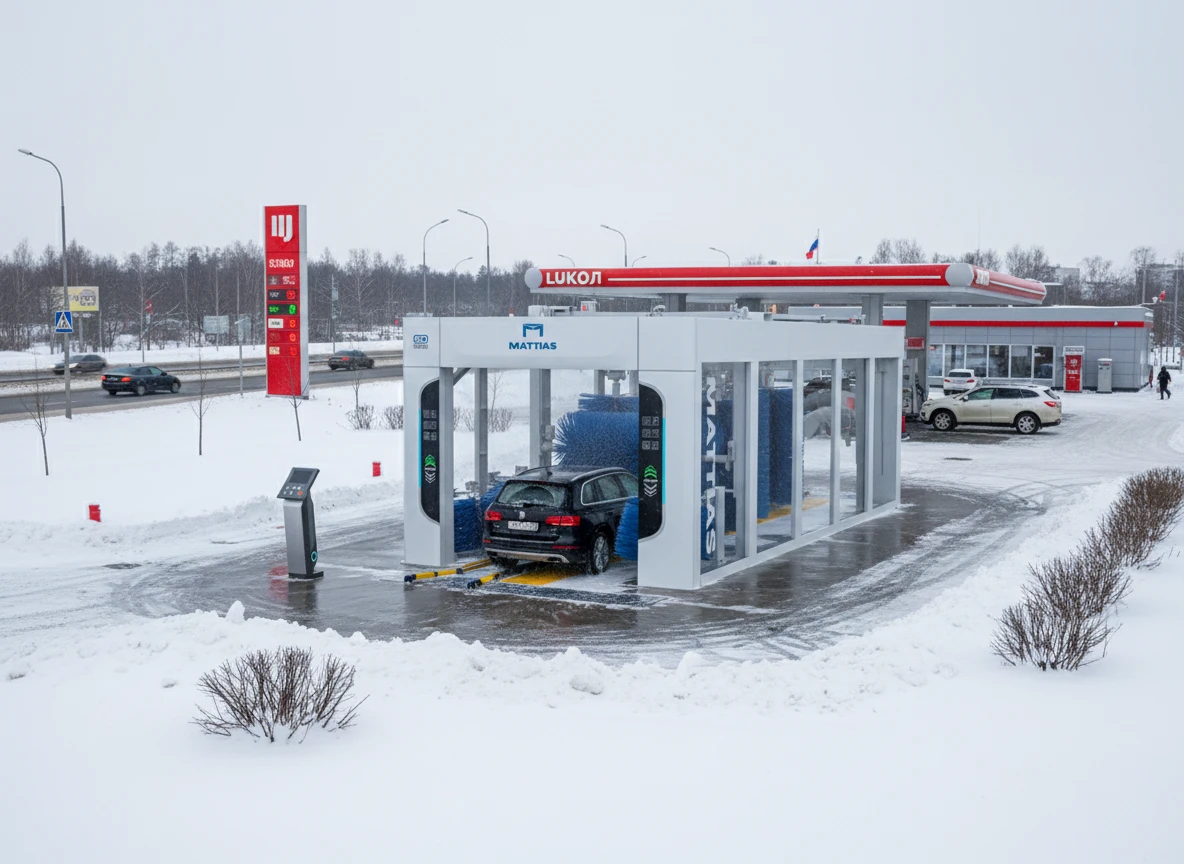
This is where your choice of tech matters for your car wash profit margin. I’ve been looking closely at the Mattias Car Wash Machine lately. Why? Because reliability creates recurring revenue. When a customer swipes their card, they expect high pressure and hot wax. If a bay is out of order, they aren’t just leaving today; they aren’t coming back next week.
The Mattias units are solid because they balance efficiency with power. They keep your utility costs (water and electric) manageable—which is critical when calculating car wash revenue—while delivering a wash quality that justifies a higher car wash average ticket. If you can bump your average transaction from $8 to $12 because the machine applies a better ceramic sealant, that goes straight to your bottom line.
Financing: What Do Banks Look for in a Car Wash?
Okay, let’s get real about the money. You walk into a local branch—maybe at Zions or P1FCU—and you ask for a car wash loan. What are they going to grill you on?
They don’t care about how shiny the building is. They care about the car wash debt service coverage ratio (DSCR). Basically, can your cash flow cover the loan payments with a safety buffer?
Here is how to get a car wash loan in this town:
-
Skin in the game: They typically want to see you put down 15-20%.
-
Specifics, not guesses: Don’t say “I think I’ll make money.” Show them a car wash cash flow projection that accounts for the slow months (like when the students are gone in July) and the boom months (post-snow storms).
-
The Equipment Quote: Having a pro quote for a Mattias Car Wash Machine helps here because it shows the bank you aren’t buying junk that will depreciate in two years.
Forecasting the Cash Flow
Your car wash cash flow isn’t a flat line. In Moscow, it’s a rollercoaster. You need to hoard cash in the winter and spring to cover the operational costs during the dry, dusty late summer.
When building your car wash financial projections, factor in maintenance. That Palouse dust is abrasive. It wears out pumps and clogs filters faster than you’d think. A strong cash flow model sets aside 3-5% of revenue just for repairs.
Ready to Start Washing?
The Moscow market is competitive, but there’s always room for a site that’s cleaner, faster, and friendlier. Focus on your membership base to stabilize your car wash cash flow, get your financing in order early, and choose equipment that won’t quit on you during the Saturday morning rush.
Starting a car wash business here is smart—we have the weather and the demographics for it. But don’t fly blind. Get your location right, invest in reliable gear like the Mattias system, and present the bank with a plan that shows you know your numbers.
Ready to run the numbers? Let’s look at that location you’ve been eyeing. Would you like me to help you draft a specific equipment list or a marketing plan tailored to a specific Moscow neighborhood?
Q: What is a good profit margin for a car wash in Moscow?
A: While it varies by business model (in-bay automatic vs. self-serve), a healthy car wash profit margin in the Moscow area typically ranges between 35% and 50% after operating expenses, provided debt service is managed well.
Q: How do I get a bank loan for a car wash startup?
A: To secure a car wash loan, local lenders require a solid business plan, a credit score above 680, and usually a 20% down payment. They heavily scrutinize your car wash cash flow projections and the reliability of your chosen equipment, such as Mattias Car Wash Machines.
Q: How do I calculate my car wash capture rate?
A: Your capture rate is the percentage of passing cars that enter your wash. On a busy street in Moscow (like the Pullman Road corridor), aim for a capture rate of 0.5% to 1.5%. Multiply the daily traffic count by this percentage to estimate daily volume.
Q: What is the average ticket price for a car wash?
A: The car wash average ticket depends on your upsells. In this region, a basic wash might be $8, but adding waxes, tire shine, and ceramic coatings can push the average ticket to $12-$15, significantly boosting cash flow.
Q: Is the Mattias Car Wash Machine good for cold climates?
A: Yes, reliability is key in Moscow winters. The Mattias Car Wash Machine is favored for its durability and efficiency in freezing temperatures, ensuring you don’t lose revenue due to downtime during the peak “salty road” season.