











Keeping your automatic car wash operating at peak performance is crucial for sustaining customer satisfaction and overall business success, particularly in diverse climates and competitive markets of certain countries/regions. While these advanced systems are designed for efficiency and reliability, they are not immune to issues that can disrupt service and impact profitability. Proactive car wash troubleshooting and a robust preventative maintenance schedule are essential tools for minimizing downtime, preserving equipment longevity, and ensuring a consistently high-quality wash experience for every customer.
This comprehensive guide explores common problems encountered by automatic car wash owners, providing actionable solutions to help you identify and resolve issues promptly, ensuring your equipment operates optimally throughout all stages of operation. By understanding the root causes of typical malfunctions and implementing preventative strategies, you can safeguard your investment and maintain a leading edge in the vehicle wash industry.
The Critical Role of Proactive Maintenance
Before diving into specific troubleshooting, it’s vital to recognize that preventative maintenance is your first line of defense against costly breakdowns and operational interruptions. Regular inspections, cleaning, and timely replacement of worn components can preempt the majority of problems. A well-maintained system not only performs better but also significantly extends the lifespan of your valuable equipment, ultimately contributing to your bottom line.
Common Issues and Their Resolutions in Automatic Car Wash Systems
1. Sensor Malfunctions
Sensors are the eyes and brains of your automatic car wash, guiding vehicles through the process and triggering each wash stage with precision. When sensors falter, the entire system can become unpredictable, leading to operational inefficiencies and potential safety hazards.
Signs of a Problem:
-
The car wash sequence doesn’t initiate as a vehicle enters.
-
The wash cycle stops unexpectedly mid-process.
-
Vehicles are not detected accurately, resulting in sprays or brushes activating at the wrong time or location, leading to inconsistent wash quality.
-
Safety sensors (e.g., those detecting vehicle presence or dimensions) trip unnecessarily, causing system shutdowns.
-
Modern Advanced Driver Assistance Systems (ADAS) in vehicles, such as parking sensors or automatic emergency braking, may react adversely to wash mechanisms if car wash sensors aren’t calibrated correctly or if external conditions cause false readings.
Potential Causes and Fixes:
-
Dirt and Debris Accumulation: Sensors, particularly photoelectric and ultrasonic types, can become coated with dirt, grime, soap residue, or even ice/snow, especially colder months, obscuring their optical or acoustic path.
-
Fix: Implement a weekly cleaning routine. Use a soft, lint-free cloth and an appropriate, non-abrasive cleaner (refer to your manufacturer’s guidelines) to gently wipe all sensor surfaces. For stubborn buildup, a mild detergent solution may be required.
-
-
Misalignment: Physical bumps, vibrations, or general wear can cause sensors to shift from their intended alignment. If a sensor is even slightly off-kilter, it may fail to detect vehicles correctly.
-
Fix: Regularly inspect sensor brackets and mounts for looseness or damage. Refer to your car wash system manual for precise alignment instructions and use a leveling tool or laser guide if available to ensure accurate positioning. Some systems offer visual indicators or diagnostic tools for easier alignment.
-
-
Electrical Connection Issues: Loose, corroded, or damaged wiring connected to the sensors can disrupt their signal. Given the wet environment of a car wash, moisture ingress or corrosion can compromise electrical integrity.
-
Fix: Power down the system safely. Inspect all wiring connections for visible damage, fraying, or corrosion. Tighten any loose connections. Consider using dielectric grease on electrical contacts to protect against moisture. If wiring appears damaged, professional repair or replacement is necessary.
-
-
Software or Calibration Errors: Occasionally, the control software might require a sensor recalibration, especially after power fluctuations or maintenance.
-
Fix: Consult your system’s operational manual for instructions on recalibrating sensors or performing a system reset. Modern systems may have on-screen diagnostics or a “car wash mode” for troubleshooting these issues. Ensure your software and firmware are up to date.
-
2. Low or Inconsistent Water Pressure
Adequate water pressure is non-negotiable for an effective automatic car wash. It’s essential for powerful rinsing, effective chemical application, and efficient operation. Fluctuations or insufficient pressure can lead to substandard cleaning and customer dissatisfaction.
Signs of a Problem:
-
Water streams appear weak, lack their usual force, or are inconsistent across different nozzles.
-
Soap, waxes, or rinsing agents are not being properly flushed from vehicles, leaving noticeable residue or spotting.
-
The wash quality noticeably diminishes, with dirt and grime not being effectively removed.
-
Pumps make unusual noises, frequently cycle on and off, or struggle to maintain pressure.
-
Dryers may also struggle if final rinse pressure is too low, leading to excess water.
Potential Causes and Fixes:
-
Clogged Nozzles or Filters: Hard water, prevalent in many areas of some countries/regions, can lead to mineral buildup (limescale) that clogs spray nozzles and filtration systems. This directly restricts water flow and reduces pressure.
-
Fix: Regularly inspect, clean, and/or replace all nozzles and filters. Soaking clogged nozzles in a deliming solution can often restore functionality. Implement a water treatment system if hard water is a persistent issue, as this extends the life of many components.
-
-
Pump Issues: The heart of your water delivery system, a malfunctioning pump, can severely impact pressure. This could stem from impeller wear, motor issues, bearing problems, or compromised seals.
-
Fix: Conduct regular inspections of your water pump for visible leaks or signs of wear. Listen for unusual grinding or squealing noises. If you suspect a pump issue, professional diagnosis and repair or replacement may be required. Maintaining spare hoses, gaskets, and other pump parts is advisable.
-
-
Supply Line Obstructions or Valve Problems: A partially closed main water valve, an obstruction within the supply lines (e.g., sediment, debris), or even leaks can drastically reduce incoming pressure.
-
Fix: Confirm that all manual and automated water supply valves are fully open. Inspect visible supply lines for kinks or obvious blockages. Check for hidden leaks, which can be indicated by unusual water bills or damp patches around underground lines. Consider the possibility of low municipal water pressure during peak demand times.
-
-
Low Water Levels: For systems using storage tanks, insufficient water levels can lead to pumps drawing air or struggling to maintain consistent pressure.
-
Fix: Ensure your water storage tanks are consistently filled to adequate levels. Check automatic refill mechanisms to ensure they are functioning correctly.
-
-
Pressure Regulators: Faulty or improperly set pressure regulators can either choke water flow or fail to maintain the desired output pressure.
-
Fix: Verify that pressure regulators are set according to manufacturer specifications. If regulators appear damaged or are not holding pressure, they may need to be replaced. Some systems use booster pumps to ensure constant pressure, especially if the municipal supply is inconsistent.
-
3. Chemical Dispensing Failures
The effectiveness of your car wash hinges on the precise application of chemicals, from pre-soaks and soaps to waxes and drying agents. Chemical dispensing failures directly impact wash quality and can lead to wasted product or unhappy customers.
Signs of a Problem:
-
Soap, wax, or drying agents are not being applied to the vehicle at all, or application is uneven and inconsistent.
-
Customers complain about poor wash results, such as persistent dirt or water spots.
-
Noticeable chemical waste, such as excessive sudsing or chemicals running onto the ground, indicates incorrect mixing or application.
-
Unusual chemical odors or lack of expected scents for certain treatments.
Potential Causes and Fixes:
-
Blocked or Damaged Tubing/Lines: Chemical lines can become clogged with solidified chemicals, air bubbles, or debris. Leaks in tubing can also disrupt suction or pressure.
-
Fix: Power down the system and visually inspect all chemical lines for kinks, blockages, air bubbles, or leaks. Flush lines with warm water (if compatible with the chemical) or a mild cleaning solution to remove buildup. Replace any damaged sections of tubing.
-
-
Improper Mixing Ratios (Calibration): If chemical concentrations are too weak, they won’t clean effectively. If too strong, they waste product and could potentially damage vehicle finishes or equipment.
-
Fix: Regularly verify that chemical metering tips and pumps are calibrated to the manufacturer’s recommended ratios. This might involve using a hydrometer or a graduated cylinder to measure output. Consult your chemical supplier or system manual for proper calibration procedures. Consistent volumetric proportioners (e.g., Dosatron) are less susceptible to pressure fluctuations impacting ratios.
-
-
Faulty Pumps or Injectors: Chemical injection pumps (e.g., peristaltic pumps) or venturi injectors can fail due to wear, electrical issues, or blockages. Venturi tips are particularly prone to clogging.
-
Fix: Test the functionality of chemical pumps. Ensure they are receiving power and activating correctly. Inspect injectors for blockages or signs of wear. Replace worn-out injectors, check valves, or faulty pumps as needed.
-
-
Empty Chemical Tanks: The simplest cause is often overlooked. If supply tanks are empty or nearly empty, the dispensing system won’t be able to draw product.
-
Fix: Regularly monitor chemical levels and ensure tanks are sufficiently filled. Verify that all suction tubes are properly submerged and not drawing air.
-

4. Conveyor or Track Problems
A smoothly operating conveyor system is the backbone of any tunnel car wash. Any interruption in vehicle movement directly impacts throughput, creates bottlenecks, and can even damage customer vehicles.
Signs of a Problem:
-
Vehicles do not move smoothly or consistently through the wash tunnel.
-
The conveyor belt or rollers slip, jam, or make unusual grinding, squealing, or clunking noises.
-
Sudden stops or jerky movements of vehicles within the wash.
-
Misaligned vehicles or vehicles exiting the track during the wash.
Potential Causes and Fixes:
-
Debris Accumulation: Dirt, gravel, discarded items, and vehicle components can accumulate in conveyor tracks, hindering movement or causing jams. In icy conditions, frozen debris can exacerbate issues.
-
Fix: Implement daily cleaning of conveyor tracks. Use pressure washers to clear out debris and flush the system thoroughly. Regularly inspect guide rails and pit areas below ground.
-
-
Lubrication Issues: Moving parts, especially chains, rollers, and bearings, require regular and appropriate lubrication to reduce friction and prevent premature wear.
-
Fix: Refer to your manufacturer’s manual for lubrication schedules and types of lubricants. Check grease fittings on rollers and bearings (apply 1-2 pumps of grease until resistance, not until it leaks, to avoid breaking seals). Lubricate chains and other moving components as recommended. This minimizes wear, friction, and prevents seizing.
-
-
Tension Problems: An incorrectly tensioned conveyor belt or chain can slip, snag, or run unevenly. Over-tensioning can cause undue stress on motors and components, while under-tensioning can lead to poor traction and jerky movement.
-
Fix: Periodically inspect belt or chain tension and adjust according to manufacturer specifications. Ensure chains have minimal sag and links are intact. Proper tensioning ensures smooth operation and extends component life.
-
-
Worn Rollers or Bearings: These components are subject to constant stress. Worn-out rollers, damaged bearings, or corroded axles can cause inefficient movement, excessive noise, or complete failure.
-
Fix: During inspections, visually check rollers for flat spots, cracks, or damage. Feel for play in bearings and listen for grinding. Replace worn components before they lead to more significant system failures and costly downtime. Maintain an inventory of common spare parts.
-
5. Electrical and Software Glitches
The electrical and software systems control every aspect of your car wash. Glitches can manifest as anything from minor annoyances to complete operational shutdowns, significantly impacting service and customer flow.
Signs of a Problem:
-
Touchscreen controls become unresponsive, freeze, or display erratic behavior.
-
Payment terminals stop functioning intermittently or refuse transactions.
-
Unexpected system shutdowns or error messages displayed on control panels.
-
Components like lights, pumps, or motors fail to activate, or activate incorrectly.
-
The system misidentifies wash packages or doesn’t complete chosen cycles.
Potential Causes and Fixes:
-
Power Supply Issues: Fluctuations in electrical supply, tripped circuit breakers, or faulty power transformers can disrupt system operations. A compromised electrical system due to water ingress (which can happen in a car wash environment) can also be a significant issue.
-
Fix: Regularly check all circuit breakers and fuses, resetting or replacing as necessary. Ensure all power connections are secure. If issues persist, an electrician may need to inspect the main power supply and system wiring. Consider surge protectors to guard against power spikes.
-
-
Software Updates and Corruption: Outdated firmware or software bugs can cause erratic behavior. In rare cases, software corruption can occur due to sudden power loss or system faults.
-
Fix: Ensure your car wash system is running the latest software and firmware updates provided by the manufacturer. Regular backups of system configurations are also advisable. In many cases, a simple system reboot can resolve temporary software glitches.
-
-
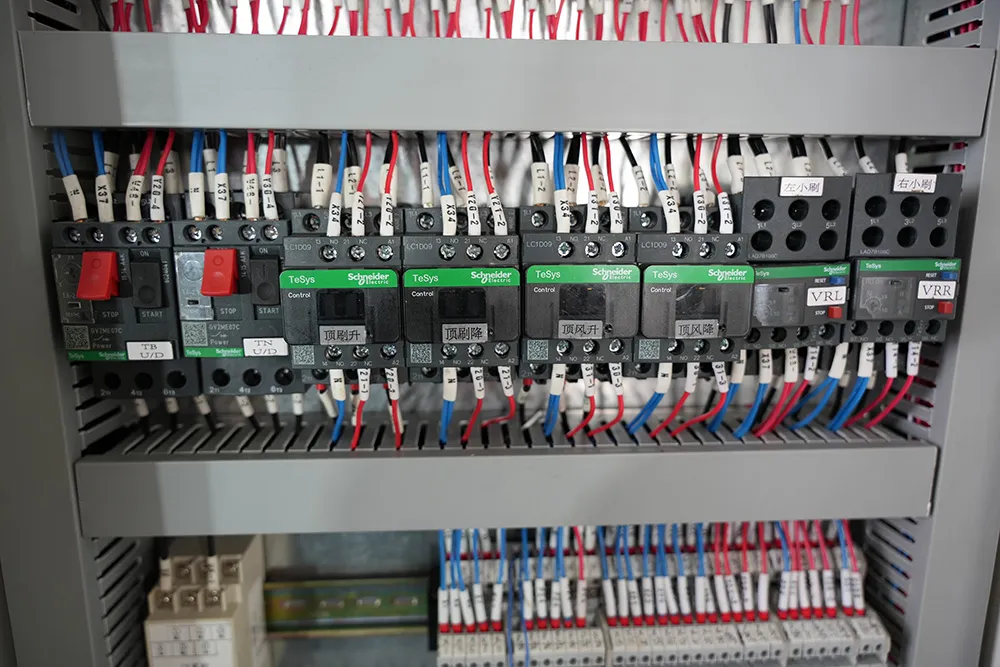
Loose or Damaged Wiring: Similar to sensors, main control panel wiring, relays, and contactors can suffer from wear, corrosion, or become loose over time. Water getting into critical electrical components can lead to shorts or system failures.
-
Fix: Power off the system at the main breaker. Carefully inspect control panels and electrical cabinets for disconnected, frayed, or corroded wires. Tighten terminal connections and use moisture-resistant connectors where appropriate. Professional electrical inspection is recommended for complex issues.
-
-
Component Failure: Individual electrical components such as relays, contactors, variable frequency drives (VFDs), or the main control board itself can fail.
-
Fix: Diagnostic error codes often point to specific component failures. Refer to your manual for interpreting these codes. For significant component failures, replacement is usually necessary, and it is best performed by a certified technician.
-
6. Brush or Applicator Performance Issues
For systems utilizing brushes or cloth applicators, their condition and operation are paramount for effective cleaning and protecting vehicle finishes. Issues in this area can lead to poor wash quality, streaks, or even vehicle damage.
Signs of a Problem:
-
Visible dirt, grit, or dark residue on brushes or cloth applicators.
-
Customers report scratches, swirl marks, or an incomplete wash.
-
Brushes are stiff, matted, or show signs of uneven wear.
-
Applicators are not rotating or moving smoothly, or they are making abnormal noises.
-
Water or chemical not effectively reaching the brush or cloth for cleaning.
Potential Causes and Fixes:
-
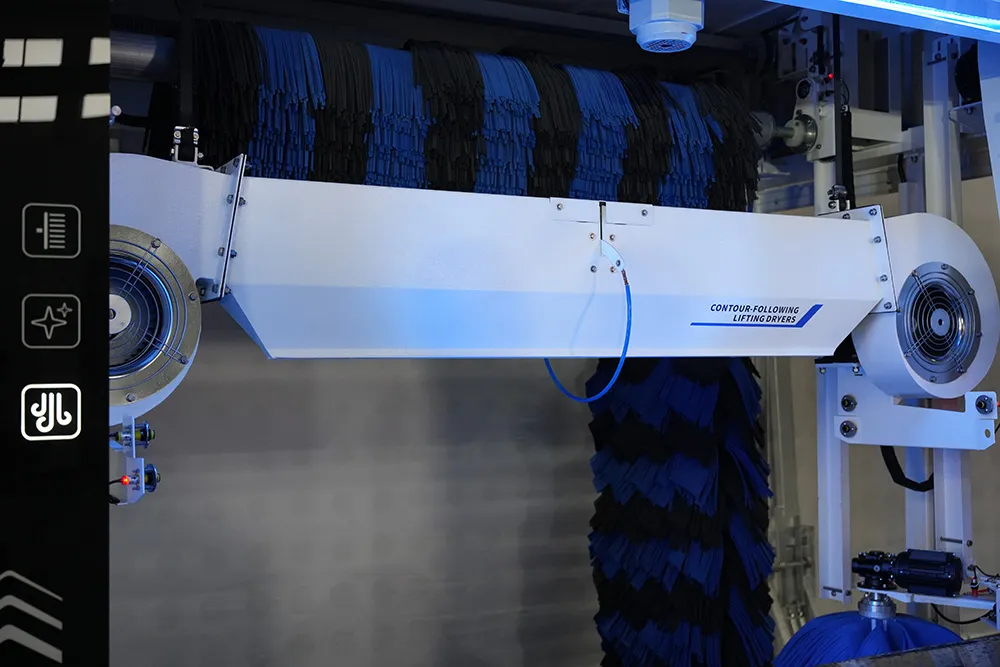
Dirt and Debris Contamination: Brushes can accumulate dirt, sand, road salt, oil, and grime from successive vehicles. This contaminated material, when rubbed against other cars, can cause micro-scratches or dull the paint finish. In cold Canadian climates, residual salt and sand from winter roads are significant contributors.
-
Fix: Implement daily or frequent pressure washing of all brushes and cloth applicators. Visually inspect for visible debris and ensure they are clean. Ensure effective pre-soak chemicals are used, which help loosen dirt before brushes make contact, preserving both brush life and vehicle paint.
-
-
Wear and Tear: Over time, the bristles or cloth materials of applicators can become stiff, frayed, or worn down, reducing their cleaning efficacy and increasing the risk of damage.
-
Fix: Regularly inspect the condition of all brushes and applicators. Check finger length and look for corrosion on brush cores. Establish a replacement schedule based on manufacturer recommendations and wash volume. Replace worn components promptly.
-
-
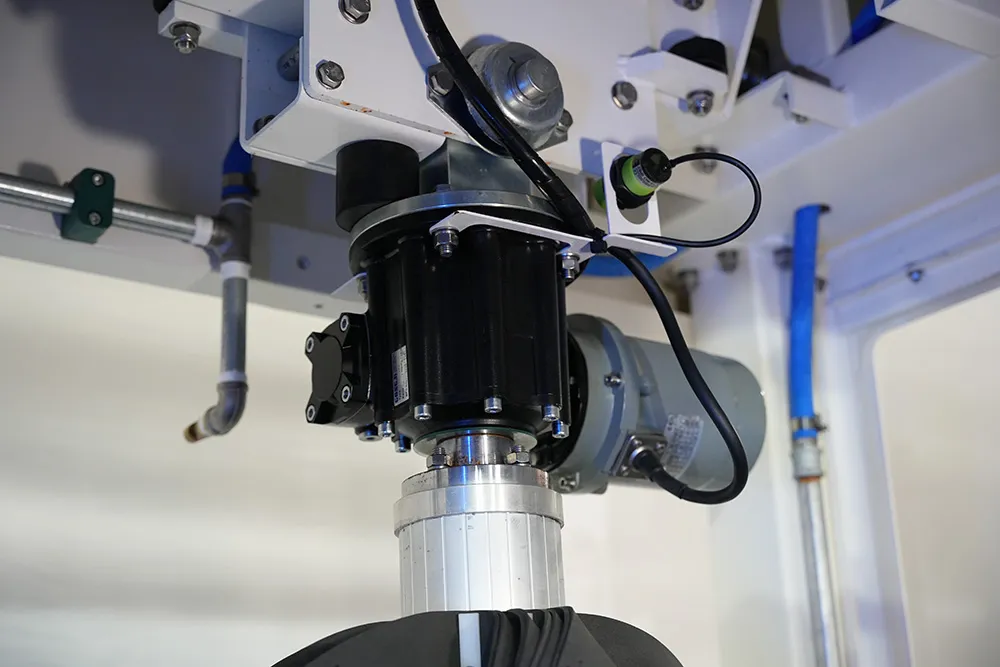
Motor or Drive System Problems: Rotating brushes or moving applicators rely on motors, gearboxes, or hydraulic systems. Issues with these components (e.g., motor failure, low hydraulic pressure, worn gears) can cause brushes to stop, spin slowly, or move erratically.
-
Fix: Listen for unusual noises coming from motors or drive components. Check hydraulic fluid levels and pressure, and inspect electrical connections to motors. Ensure all moving parts are lubricated (as per Section 4). Address motor or gearbox issues with professional repair or replacement.
-
-
Incorrect Pressure Settings: For soft-touch systems, the pressure with which brushes contact the vehicle needs to be properly calibrated. Too little pressure means ineffective cleaning; too much can lead to excessive friction and wear or potential damage.
-
Fix: Refer to your system manual for recommended brush pressure settings and calibration procedures. Test the wash performance periodically to ensure brushes are engaging with vehicles appropriately.
-
-
Insufficient Chemical or Water Delivery to Brushes: If brushes are not properly saturated with soap and water, their cleaning ability is diminished, and friction can increase.
-
Fix: Check nozzles and spray patterns directed at the brushes to ensure even water and chemical coverage. Ensure chemical dispensing systems (Section 3) are functioning correctly to deliver sufficient lubrication and cleaning agents.
-
Comprehensive Preventive Maintenance Tips for Your Car Wash
Establishing and adhering to a thorough preventative maintenance program is the single most effective way to keep your automatic car wash profitable and reliable. Here’s an expanded checklist:
Daily Routine:
-
Perform a “Ghost Wash”: Run a complete wash cycle without a vehicle present at least 30 minutes before opening. This helps lubricate brushes, tests all systems, and allows you to spot leaks or malfunctions.
-
Visual Inspection: Conduct a walk-through. Check for visible debris, leaks, loose hoses, or abnormal sounds in the wash tunnel and equipment room.
-
Clean Sensors and Pay Stations: Wipe down all sensors (optical, proximity, ultrasonic) and ensure pay terminals are clean, functional, and free of obstructions or dirt.
-
Drainage Check: Ensure all drains are clear of obstructions..
Weekly Routine:
-
Clean Nozzles and Filters: Inspect and clean all spray nozzles, chemical nozzles, and water filters to prevent clogging from hard water buildup.
-
Brush Inspection & Cleaning: Thoroughly pressure wash all brushes and cloth applicators to remove accumulated dirt, grit, and residues. Inspect for wear, damage, or stiffness.
-
Chemical Levels: Verify all chemical tanks are adequately filled and free of crystallization or sediment.
-
Test Safety Mechanisms: Activate and test emergency stop buttons and safety mats/beams.
Monthly Routine:
-
Lubrication: Lubricate all moving parts including conveyor chains, rollers, bearings, and air take-up mechanisms according to manufacturer guidelines. (One to two pumps of grease until resistance, not until it leaks, is recommended for bearings).
-
Pump & Motor Inspection: Inspect water and chemical pumps for leaks, unusual noises, or wear. Check motor housings for overheating signs.
-
Electrical Checks: Inspect accessible electrical connections for corrosion, tightness, and damage. Check for proper operation of air compressors and dryers.
-
Tensioning: Verify proper tension of conveyor belts or chains and adjust as necessary.
-
Water Quality: Monitor water hardness and pH levels, especially if you have a water treatment system. Clean or replace water filtration system filters
Quarterly/Annually Routine:
-
Software Updates & Calibration: Schedule and perform major software and firmware updates. Calibrate all sensors and chemical injection systems.
-
Fluid Changes: Change oil in gearboxes and hydraulic systems as recommended by the manufacturer.
-
Full System Audit: Conduct a comprehensive audit of the entire car wash system, inspecting all structural, mechanical, and electrical components.
-
Drain Cleaning: Thoroughly clean all drainage systems, potentially snaking or hydrojetting lines if slow drainage is noted.
-
Spare Parts Inventory: Review and replenish your inventory of critical spare parts, such as nozzles, filters, fuses, belts, and common O-rings/seals.
Frequently Asked Questions (FAQs) for Automatic Car Wash Owners
-
How often should I perform preventative maintenance on my automatic car wash system?
Routine maintenance should be multi-tiered. A daily visual check and “ghost wash” are essential. Weekly tasks should include cleaning nozzles, filters, and brushes. Monthly, you should focus on lubricating moving parts, inspecting pumps, and checking electrical connections. More extensive annual audits and software updates ensure long-term reliability and efficiency. Regular adherence to these schedules significantly reduces unexpected downtime. -
What are the primary signs that my car wash pump might be failing?
Signs of a failing pump often include a noticeable drop in water pressure or inconsistent water streams, unusual grinding or squealing noises coming from the pump motor, frequent cycling on and off, visible leaks around the pump housing, or excessive vibration. Addressing these signs early can prevent complete system failure and more costly repairs. -
Can extreme weather conditions in some countries/regions specifically affect my car wash system?
Absolutely. Cold winters in both provinces can cause water lines to freeze, sensors to malfunction due to ice buildup, and road salt to contaminate brushes and equipment, leading to premature wear and potential vehicle scratches. Hot summers can stress electrical components and increase chemical evaporation rates. Systems need to be robust and diligently maintained to cope with these environmental challenges. -
How do I accurately check if my chemicals are being dispensed at the correct ratio?
The most reliable method is to perform a flow test using a calibrated container (like a graduated cylinder) over a set period. Collect the diluted chemical and compare it to the expected output for the given input chemical concentrate flow and water flow. For systems using volumetric proportioners, consistency is usually maintained automatically regardless of pressure changes. Regularly inspecting metering tips and ensuring chemical lines are clear also helps maintain accuracy. -
What spare parts should I always have on hand for quick automatic car wash repairs?
A well-stocked inventory of spare parts is crucial for minimizing downtime. Essential items include various nozzles (for water and chemicals), a range of fuses and circuit breakers, filters (water, air, chemical), spare conveyor chain links/rollers, common O-rings and seals for pumps, and replacement chemical metering tips or small tubing sections. Having these on hand allows for immediate repairs without waiting for parts delivery. -
What should I do if a customer complains about vehicle damage after using my automatic car wash?
Handle all complaints with professionalism and empathy. Document the complaint immediately, obtain all relevant details, and offer to investigate. Review security footage (if available) and inspect the wash equipment. Many reputable car wash systems have clear liability policies, but a prompt, courteous, and transparent approach can often mitigate negative impact, even if liability is limited. Customer satisfaction is paramount.
Need Reliable Parts and Supplies? Contact Mattias Vehicle Wash Supplies!
When faced with troubleshooting an automatic car wash system, having access to high-quality replacement parts, advanced chemical solutions, and expert advice is paramount. Mattias Vehicle Wash Supplies understands the unique demands placed on car wash operations. We offer a comprehensive inventory of industry-leading chemicals, durable replacement parts, and the technical support you need to maintain peak performance and maximize profitability.
Don’t let unexpected breakdowns jeopardize your business. Keep your car wash running at peak performance—contact Mattias Vehicle Wash Supplies today for reliable solutions tailored to your needs!