











When you’re managing a fleet of trucks or own a single commercial vehicle, keeping your trucks clean isn’t just about appearance—it’s about protecting your investment and maintaining operational efficiency. With various truck wash types available today, choosing the right cleaning method can significantly impact your vehicle’s longevity, performance, and your bottom line.
Have you ever wondered which truck wash system delivers the best results for your specific needs? The answer isn’t one-size-fits-all. Whether you’re hauling freight cross-country or operating a local delivery service, understanding the differences between touchless truck washes, friction truck washes, and hybrid truck washes is crucial for making an informed decision that saves you time, money, and headaches down the road.
Why Washing Your Truck Matters
Your truck is more than just a vehicle—it’s a rolling billboard for your business and a significant financial investment that requires proper care. Regular washing goes far beyond aesthetics, playing a crucial role in maintaining your truck’s operational efficiency and resale value.
Salt, dirt, and road grime act like sandpaper on your truck’s surface, gradually wearing away protective coatings and causing premature deterioration. During winter months, road salt becomes particularly destructive, accelerating corrosion processes that can lead to expensive repairs. A clean truck not only looks professional but also helps you identify potential maintenance issues before they become costly problems.
From a business perspective, a well-maintained truck sends a powerful message to customers and potential clients. It demonstrates professionalism, attention to detail, and pride in your operation. Studies show that customers are more likely to trust businesses that maintain clean, professional-looking vehicles. Additionally, regular washing helps preserve your truck’s resale value, ensuring you get the maximum return on your investment when it’s time to upgrade your fleet.
The impact on fuel efficiency shouldn’t be overlooked either. A clean truck experiences less air resistance, which can translate to improved fuel economy—a significant consideration given today’s fuel costs. When you multiply these savings across an entire fleet over months or years, the financial benefits become substantial.
Truck Wash Types Explained
Understanding the Three Main Categories
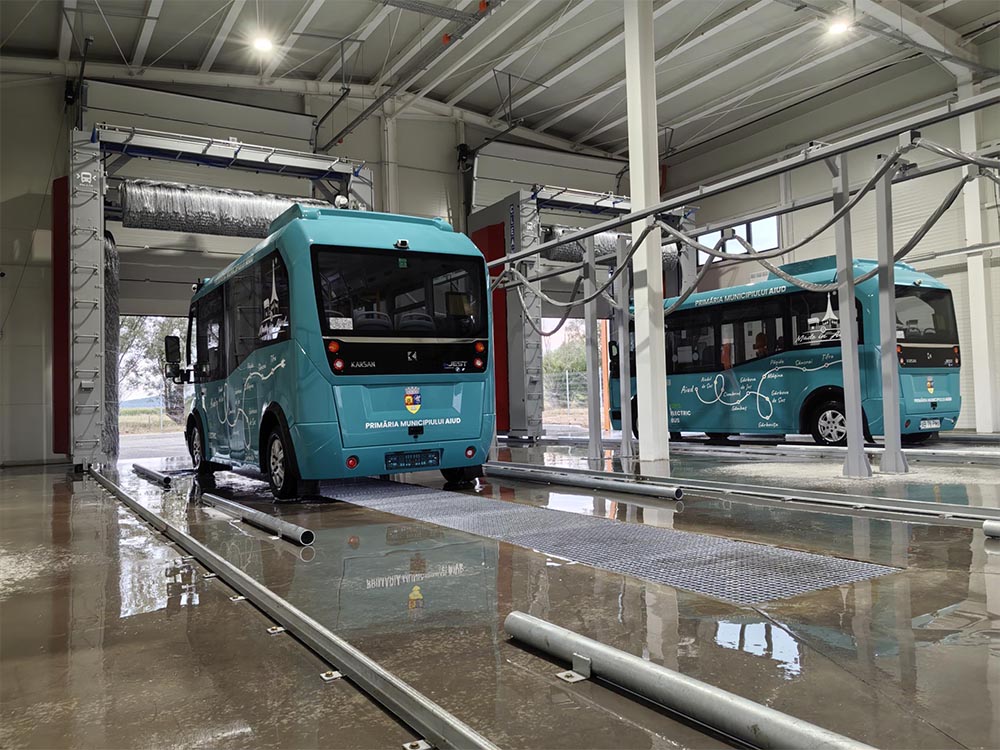
The truck washing industry has evolved significantly over the past decades, developing three distinct approaches to commercial vehicle cleaning. Each system addresses different priorities, from thorough cleaning power to time efficiency and paint protection. Understanding these categories helps you align your choice with your specific operational needs and budget constraints.
Touchless truck wash systems rely entirely on high-pressure water and specialized detergents to remove dirt and grime without any physical contact with your truck’s surface.
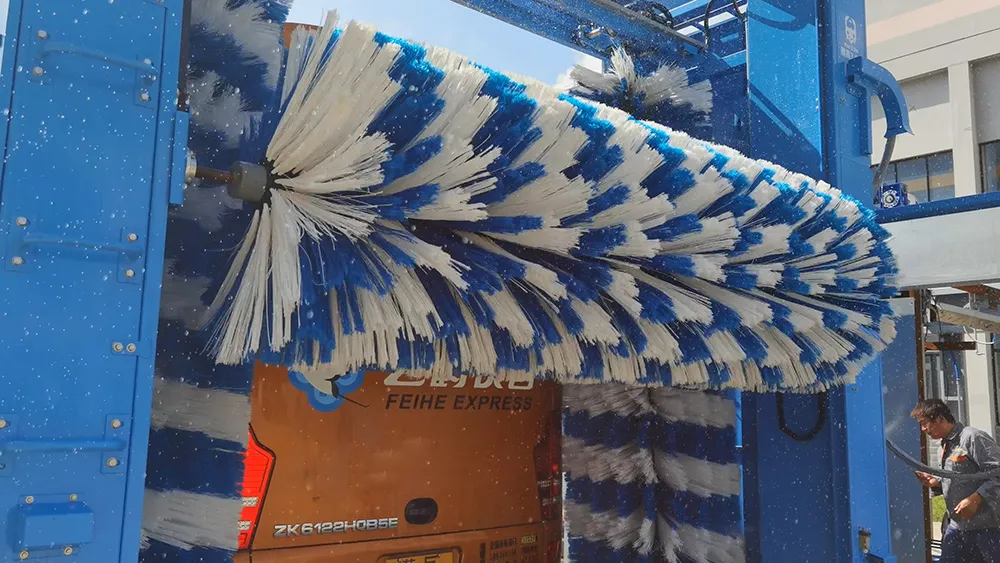
Friction truck wash systems use brushes, cloths, or other materials that physically scrub the vehicle’s surface to remove stubborn contaminants.
Hybrid truck wash systems combine elements of both approaches, offering a balanced solution that addresses the limitations of each individual method.
How Each System Works
The fundamental difference between these truck wash systems lies in their cleaning methodology. Touchless truck wash systems depend on chemical action and water pressure to break down and remove contaminants. They typically use a sequence of pre-soaking, detergent application, and high-pressure rinsing to achieve cleaning results.
Friction truck wash systems employ mechanical action through brushes or cloth materials that physically scrub the vehicle’s surface. These systems often incorporate detergents and lubricants to enhance cleaning effectiveness while minimizing potential surface damage.
Hybrid truck wash systems strategically combine both approaches, using touchless methods for initial cleaning and friction elements for areas requiring more aggressive cleaning action. This approach maximizes cleaning effectiveness while minimizing the risks associated with either method alone.
| M-BS0300Y Friction Truck Wash | M-BS0000Y Touchless Truck Wash | ||
| Applicable Car Types | Bus, Coach, and Large Passenger Vehicle | Applicable Car Types | Bus, Coach, and Large Passenger Vehicle |
| Installation Space | 19 x 6.5 x 5.5 m(L*W*H) | Installation Space | 19 x 7 x >6 m(L*W*H) |
| Max.Washable Car Dimensions | 12 x 2.7 x 3.9 m(L*W*H) | Max.Washable Car Dimensions | 12 x 2.7 x 3.9 m(L*W*H) |
| Car Wash Mode | Standard wash | Car Wash Mode | Standard wash |
| Washing Mode | (→):Pre-rinse+foam brushing+high-pressure water rinse(←):Brushing+high-pressure water rinse | Washing Mode | Pre-rinse+foam washing→high-pressure water rinse→high-pressure water rinse→Spray water wax→Air drying→Air drying |
| Estimated Wash Time | 4.5 min/car | Estimated Wash Time | 6 min/car |
| Estimated Power Consumption | 1.4 kWh/car | Estimated Power Consumption | 2.83 kWh/car |
| Estimated Water Consumption | 90 l/car | Estimated Water Consumption | 900-1200 l/car |
| Estimated Wash Liquid Consumption | 25-30 ml/car | Estimated Wash Liquid Consumption | 30 ml/car |
| Estimated Water Wax Consumption | 25-30 ml/car | Estimated Water Wax Consumption | 30 ml/car |
| Rated Power (including air/dryer/water pump) | 15 kW (without dryer) | Rated Power (including air/dryer/water pump) | 36.8 kW (without dryer) |
| Rated Voltage | 3-ph AC380V 50Hz | Rated Voltage | 3-ph AC380V 50Hz |
| Air Source Requirement | 0.6~0.8 Mpa | Air Source Requirement | 0.6~0.8 Mpa |
M-BS0300Y Friction Truck Wash VS. M-BS0000Y Touchless Truck Wash
Touchless Truck Wash: High-Tech Cleaning
How Touchless Systems Work
Touchless truck washes represent the cutting edge of vehicle cleaning technology, utilizing sophisticated chemical formulations and precision water delivery systems. These systems begin with a thorough pre-rinse to remove loose debris, followed by the application of specialized detergents designed to break down different types of contamination.
The cleaning process relies on high-pressure water jets positioned at strategic angles to ensure complete coverage of your truck’s surface. Advanced touchless systems feature computer-controlled nozzles that adjust pressure and spray patterns based on the vehicle’s dimensions and cleaning requirements. Some systems incorporate heated water to enhance cleaning effectiveness, particularly for removing grease and oil-based contaminants.
Modern touchless systems often include spot-free rinse cycles using deionized or reverse osmosis water to prevent water spots and mineral deposits. This final step ensures your truck dries with a clean, streak-free finish that enhances its professional appearance.
Advantages and Disadvantages
The primary advantage of touchless systems is their gentle approach to truck cleaning. Since nothing physically contacts your truck’s surface, there’s virtually no risk of scratches, swirl marks, or damage to decals, graphics, or specialized coatings. This makes touchless systems ideal for trucks with custom paint jobs, vinyl wraps, or sensitive equipment mounted on the exterior.
Time efficiency is another significant benefit. Touchless systems typically complete a wash cycle in 3-5 minutes, making them perfect for high-volume operations or when you need to clean multiple vehicles quickly. The automated nature of these systems also means consistent results regardless of operator skill level.
However, touchless systems have limitations when dealing with heavily soiled vehicles or certain types of contamination. Baked-on mud, tar, or industrial residues may require multiple wash cycles or pre-treatment to achieve satisfactory results. Additionally, touchless systems may struggle with cleaning intricate areas like wheel wells, grilles, or areas with complex geometry where water pressure alone cannot effectively reach.
Best Use Cases
Touchless truck washes excel in specific scenarios where paint protection and speed are priorities. Fleet operations with newer trucks or vehicles with custom graphics often prefer touchless systems to maintain their professional appearance. Companies operating in urban environments where trucks encounter mostly dust and light road grime find touchless systems perfectly adequate for their needs.
Refrigerated trucks and vehicles carrying sensitive cargo benefit from touchless systems because the gentle cleaning process doesn’t risk damage to specialized equipment or temperature-sensitive components. Similarly, trucks with expensive aftermarket accessories or custom modifications are well-suited to touchless cleaning methods.

Friction Truck Wash: Traditional Power Cleaning
The Friction Wash Process
Friction truck washes employ mechanical cleaning action through various contact materials, including synthetic brushes, cloth strips, or foam applicators. These systems physically scrub the vehicle’s surface to remove stubborn contaminants that might resist touchless cleaning methods.
The process typically begins with a pre-rinse to remove loose debris and prevent scratching during the mechanical cleaning phase. Specialized detergents are then applied to lubricate the surface and break down contamination before the friction elements make contact with your truck.
Modern friction systems use soft-touch materials designed to minimize surface damage while maximizing cleaning effectiveness. High-quality systems feature brushes with gentle synthetic fibers that conform to your truck’s contours, ensuring thorough cleaning without causing scratches or swirl marks.
Pros and Cons
The greatest strength of friction systems lies in their superior cleaning power. The mechanical action effectively removes baked-on dirt, road tar, insect residue, and other stubborn contaminants that touchless systems might leave behind. This makes friction washes particularly effective for trucks operating in challenging environments or carrying dirty cargo.
Versatility is another advantage. Friction systems can adapt to different cleaning challenges, from light dust removal to heavy-duty cleaning of construction or agricultural vehicles. The physical contact ensures that contaminants are physically removed rather than simply dissolved, resulting in cleaner vehicles overall.
The primary concern with friction systems is the potential for surface damage. Poorly maintained brushes or systems with inadequate lubrication can cause scratches, swirl marks, or damage to graphics and decals. Additionally, friction systems typically require more maintenance than touchless alternatives, as brushes and contact materials need regular replacement.
Ideal Applications
Friction washes are ideal for heavy-duty applications where cleaning power takes precedence over speed or paint protection concerns. Construction companies, agricultural operations, and industrial haulers often prefer friction systems because they can handle the challenging contamination these trucks encounter.
Older trucks or fleet vehicles where minor surface imperfections are less concerning benefit from friction washing’s superior cleaning ability. Companies prioritizing thorough cleaning over wash cycle time often choose friction systems, especially when dealing with trucks that operate in dirty or dusty environments.
Hybrid Truck Wash: Best of Both Worlds
Combining Technologies
Hybrid truck wash systems represent an innovative approach that combines the benefits of both touchless and friction technologies. These systems strategically use touchless methods for initial cleaning and delicate areas while employing friction elements for areas requiring more aggressive cleaning action.
The typical hybrid process begins with a touchless pre-wash to remove loose debris and apply cleaning chemicals. This is followed by selective friction cleaning on areas like the front grille, wheel wells, and lower panels where contamination tends to accumulate. The process concludes with a touchless rinse and optional protective coating application.
Advanced hybrid systems use intelligent sensors to determine the optimal cleaning approach for different areas of your truck. This technology ensures that each surface receives the appropriate level of cleaning attention while minimizing the risk of damage.
Benefits of Hybrid Systems
Hybrid systems offer comprehensive cleaning that addresses the limitations of both touchless and friction methods. You get the gentle treatment of touchless technology for painted surfaces and graphics while benefiting from the superior cleaning power of friction elements where needed most.
Flexibility is a key advantage of hybrid systems. They can adapt to different types of contamination and cleaning requirements, making them suitable for diverse fleet operations. Whether you’re dealing with light road dust or heavy industrial contamination, hybrid systems can adjust their approach accordingly.
The balanced approach of hybrid systems often results in better overall cleaning results compared to either technology alone. This comprehensive cleaning can reduce the frequency of detailed cleaning sessions, potentially saving time and money in the long run.
When to Choose Hybrid
Hybrid systems are ideal for diverse fleet operations where different vehicles encounter varying levels of contamination. If your fleet includes both urban delivery trucks and vehicles operating in challenging environments, a hybrid system can effectively serve all your needs.
Quality-conscious operations that want thorough cleaning without compromising vehicle appearance often choose hybrid systems. These systems are particularly valuable for fleets that include both newer vehicles requiring gentle treatment and older trucks that can benefit from more aggressive cleaning.
Factors to Consider When Choosing a Truck Wash Type
Budget Considerations
Your budget plays a crucial role in determining the most appropriate truck wash type for your operation. Initial equipment costs vary significantly between systems, with touchless systems generally requiring higher upfront investments due to their sophisticated technology and specialized chemicals.
Operating costs differ substantially between systems. Touchless systems typically have higher chemical costs but lower maintenance requirements. Friction systems may have lower chemical costs but require regular replacement of brushes and contact materials. Hybrid systems fall somewhere in between, with moderate costs for both chemicals and maintenance.
Consider the long-term financial impact of your choice. While a more expensive system might have higher upfront costs, it could provide better value through improved cleaning results, reduced vehicle maintenance costs, or higher resale values. Calculate the total cost of ownership over several years to make an informed decision.
Cleaning Requirements
The level of contamination your trucks typically encounter should heavily influence your choice. Trucks operating in construction, mining, or agricultural environments may require the superior cleaning power of friction or hybrid systems. Urban delivery vehicles with lighter contamination might be perfectly served by touchless systems.
Frequency of cleaning is another important consideration. If you need to wash trucks daily or multiple times per week, the speed and convenience of touchless systems might outweigh their cleaning limitations. For less frequent but more thorough cleaning, friction systems might be more appropriate.
Consider any special cleaning requirements your operation might have. Trucks carrying food products, pharmaceuticals, or other sensitive cargo might need more thorough cleaning than standard freight haulers. Some industries have specific cleaning standards that must be met for regulatory compliance.
Time Constraints
Operational efficiency often determines the practical choice between wash types. Touchless systems typically complete wash cycles in 3-5 minutes, while friction systems may require 10-15 minutes or more. For high-volume operations or fleets with tight scheduling, this time difference can be significant.
Consider your peak operational hours and how truck washing fits into your schedule. If trucks need to be cleaned during busy periods, faster touchless systems might be necessary to maintain operational efficiency. Alternatively, if washing can be scheduled during slower periods, the longer cycle times of friction systems might be acceptable.
Driver convenience is another factor. Touchless systems often require minimal driver interaction, while friction systems might require more attention or specific positioning. Consider your drivers’ experience levels and preferences when making your choice.
Environmental Factors
Climate conditions in your operating area can influence the effectiveness of different wash types. Touchless systems may be less effective in extremely cold conditions where chemicals don’t work as efficiently. Friction systems might be more reliable in challenging weather conditions.
Water quality affects system performance differently. Touchless systems are more sensitive to water hardness and mineral content, which can affect chemical effectiveness and cause spotting. Friction systems are generally less affected by water quality issues.
Consider environmental regulations in your area. Some regions have restrictions on water usage, chemical discharge, or waste disposal that might favor one system type over another. Ensure your chosen system complies with all applicable environmental requirements.
Expert Tips for Optimal Truck Maintenance
Maintenance Schedule Tips
Establishing a consistent washing schedule is crucial for maintaining your trucks’ appearance and condition. The frequency depends on your operating environment, but most experts recommend washing trucks at least weekly, with more frequent cleaning for vehicles operating in harsh conditions.
Seasonal adjustments to your washing schedule can help address specific challenges. During winter months, increase washing frequency to remove road salt and prevent corrosion. In spring, thorough cleaning helps remove accumulated winter contamination. Summer might require more frequent washing due to increased insect activity, while fall cleaning should focus on removing leaves and organic debris.
Pre-inspection before washing can help identify potential issues and ensure optimal cleaning results. Check for loose mud or debris that might need pre-treatment, inspect for damage that might be worsened by washing, and remove any personal items or equipment that might interfere with the cleaning process.
Protecting Your Investment
Protective coatings can significantly enhance the effectiveness of any wash system while protecting your truck’s finish. Modern ceramic coatings and paint protection films can make cleaning easier and more effective while providing long-term protection against environmental damage.
Regular maintenance of your chosen wash system ensures optimal performance and longevity. This includes replacing worn brushes in friction systems, maintaining proper chemical concentrations in touchless systems, and ensuring all components are functioning correctly.
Documentation of your washing and maintenance activities can help track the effectiveness of your chosen system and identify any issues early. Keep records of washing frequency, any problems encountered, and maintenance performed to optimize your truck care routine.
Professional vs. DIY
Professional truck wash services offer expertise, specialized equipment, and consistent results. They can handle the maintenance and optimization of wash systems, ensuring optimal performance. Professional services are particularly valuable for smaller fleets or companies that prefer to focus on their core business activities.
DIY washing might be appropriate for small operations or when professional services aren’t readily available. However, consider the time, equipment, and expertise required to achieve professional-quality results. Factor in the cost of equipment, chemicals, and water when comparing DIY costs to professional services.
Hybrid approaches combining professional and DIY methods can offer the best of both worlds. Regular professional cleaning supplemented by interim DIY maintenance can provide cost-effective truck care while ensuring optimal results.
Conclusion
Choosing the best truck wash type for your needs requires careful consideration of multiple factors, from your budget and cleaning requirements to operational constraints and environmental conditions. Touchless systems offer speed and gentle treatment, making them ideal for newer trucks and high-volume operations. Friction systems provide superior cleaning power for heavily soiled vehicles and challenging contamination. Hybrid systems combine the benefits of both approaches, offering versatility and comprehensive cleaning capabilities.
The key to making the right choice lies in honestly assessing your specific needs, constraints, and priorities. Consider your fleet composition, operating environment, budget, and long-term goals when evaluating your options. Remember that the best truck wash system is the one that consistently delivers the results you need while fitting within your operational and financial parameters.
Investing in the right truck wash system is an investment in your business’s professional image, operational efficiency, and long-term success. Take the time to research your options, visit different facilities, and speak with other fleet operators to make an informed decision that will serve your needs for years to come.
Frequently Asked Questions
Q: How often should I wash my commercial truck? A: The ideal washing frequency depends on your operating environment and conditions. Most experts recommend washing trucks at least weekly, with more frequent cleaning for vehicles operating in harsh conditions like construction sites, coastal areas with salt air, or during winter months with road salt exposure. Light-duty urban trucks might need washing every 10-14 days, while heavy-duty vehicles in challenging environments might require washing every 2-3 days.
Q: Are touchless truck washes safe for vinyl wraps and graphics? A: Yes, touchless truck washes are generally the safest option for vehicles with vinyl wraps, graphics, or custom paint jobs. Since there’s no physical contact with the vehicle’s surface, there’s minimal risk of damaging or lifting graphics. However, ensure the facility uses appropriate chemical concentrations and temperatures, as some harsh chemicals or excessive heat can affect adhesive properties over time.
Q: What’s the average cost difference between touchless and friction truck washes? A: Touchless truck washes typically cost 15-30% more per wash than friction systems due to higher chemical costs and sophisticated equipment. However, the total cost of ownership should consider factors like potential paint damage, vehicle longevity, and maintenance requirements. Friction systems might have lower per-wash costs, but could lead to higher long-term expenses due to surface damage or more frequent detailing needs.
Q: Can hybrid truck wash systems handle extremely dirty vehicles? A: Yes, hybrid systems are specifically designed to handle varying levels of contamination. They combine the thorough cleaning power of friction elements with the gentle treatment of touchless technology. For extremely dirty vehicles, hybrid systems can apply more aggressive friction cleaning to heavily soiled areas while protecting sensitive surfaces with touchless methods. This makes them particularly effective for diverse fleet operations.
Q: Do I need special preparation before using any truck wash system? A: Basic preparation enhances cleaning effectiveness and prevents damage. Remove loose items from the truck bed, secure or remove antennas and mirrors if possible, and close all windows and vents. Pre-rinse heavily soiled areas to remove loose debris that might scratch during washing. For friction systems, ensure the truck is properly positioned and follow any specific facility guidelines for optimal results.