





In the realm of public works, fleet managers carry the weighty responsibility of maintaining an array of critical vehicles – from snowplows and salt trucks to emergency response and construction equipment. These taxpayer-owned assets represent a significant capital investment, forming the backbone of essential community services. A perennial challenge, however, lies in justifying expenditures, particularly when seemingly operational costs like vehicle washing face scrutiny within tight municipal budgets. It is often perceived as a cosmetic expense rather than a vital component of asset preservation. This article delves into how public works departments can strategically reframe fleet washing from a mere cost into a quantifiable, long-term investment, ultimately enhancing asset longevity, operational efficiency, and demonstrating clear fiscal responsibility.
Beyond Aesthetics: The Strategic Imperative of Fleet Washing
The initial inclination when confronted with budget questions regarding fleet washing often centers on vehicle appearance. While a clean fleet undoubtedly projects a positive image to the public, its primary function in a public works context extends far beyond superficial appeal. The fundamental argument must pivot from “trucks look better when they’re clean” to a more profound justification: “We are actively protecting our significant vehicle investment from accelerated depreciation, costly corrosion, and premature mechanical failures.” This shift in perspective is critical for gaining buy-in from city councils and budget committees who are tasked with prudent allocation of taxpayer funds.
Public works departments across North America, serving over 19,000 municipalities, operate under continuous pressure to maximize efficiency with constrained resources. Fleet managers who consistently secure funding for essential maintenance programs are those who articulate the measurable return on investment (ROI) that these programs deliver, rather than simply defending perceived discretionary spending.
The Hidden Drain: Unmasking the True Cost of Inconsistent Maintenance
A common misconception among decision-makers is that current fleet washing practices – often involving manual labor with pressure washers by existing staff, or outsourcing to external services – are adequate and cost-effective. While these methods keep vehicles outwardly functional, the true, often invisible costs are far greater and accumulate rapidly over time. When a proposal for a capital investment, such as an automated washing system, is presented, it may appear as a substantial new expenditure. Queries typically arise: “Why commit $150,000+ for washing equipment when we’re already handling it?” This overlooks the critical difference between seemingly addressing a task and actually performing comprehensive asset protection.
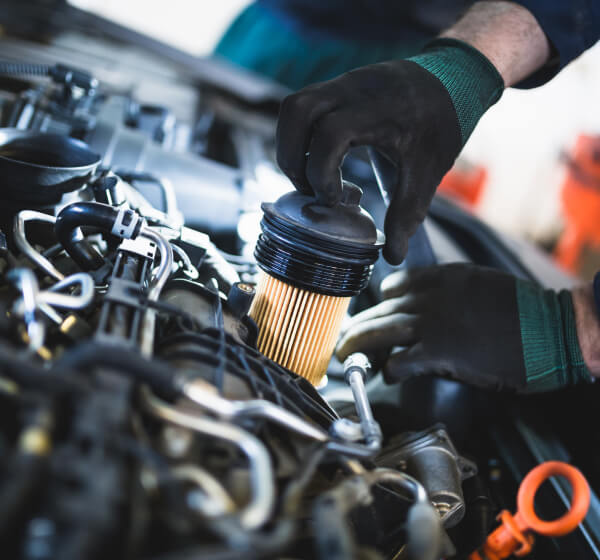
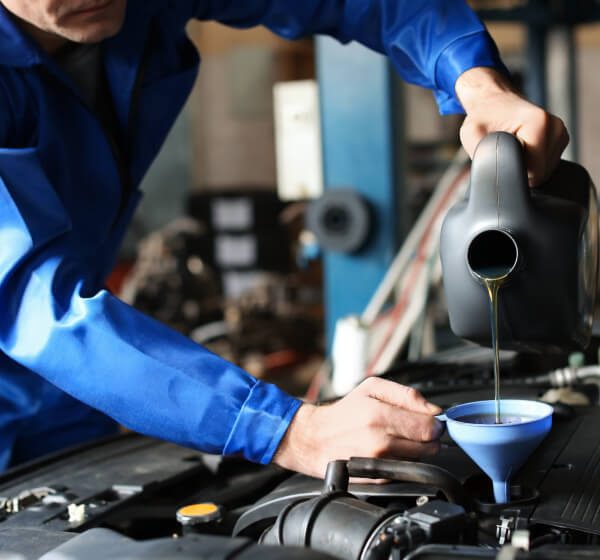
Consider the analogous situation of routine oil changes in a vehicle. No one foregoes this vital service to save money, understanding that engine longevity is directly tied to consistent lubrication. Similarly, public works fleet maintenance, as defined by the American Public Works Association (APWA) as “sustaining physical assets,” necessitates preventative measures. Washing, in this context, is not an upgrade; it is foundational preventive maintenance designed to mitigate the damage inflicted by the elements actively.
Safeguarding Capital: Fleet Washing as Proactive Asset Management
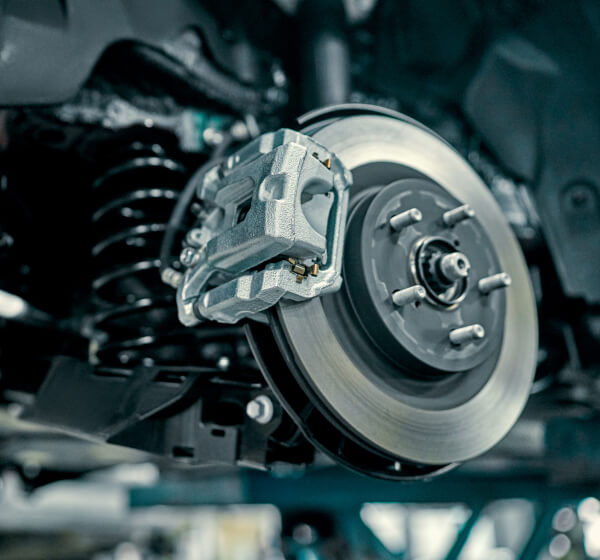
The operational environments for public works vehicles are often exceptionally harsh. In regions susceptible to heavy snowfall and ice, road de-icing agents like salt mixtures are indispensable. While essential for public safety, these corrosive substances wreak havoc on vehicle infrastructure. Salt aggressively corrodes brake systems, eats away at undercarriages, and significantly accelerates wear on every exposed mechanical and structural component. Over time, this constant exposure leads to premature parts failure, increased repair frequencies, and dramatically shortened vehicle lifespans. Proactive and consistent removal of these corrosive materials is not merely good practice; it is an economic imperative.
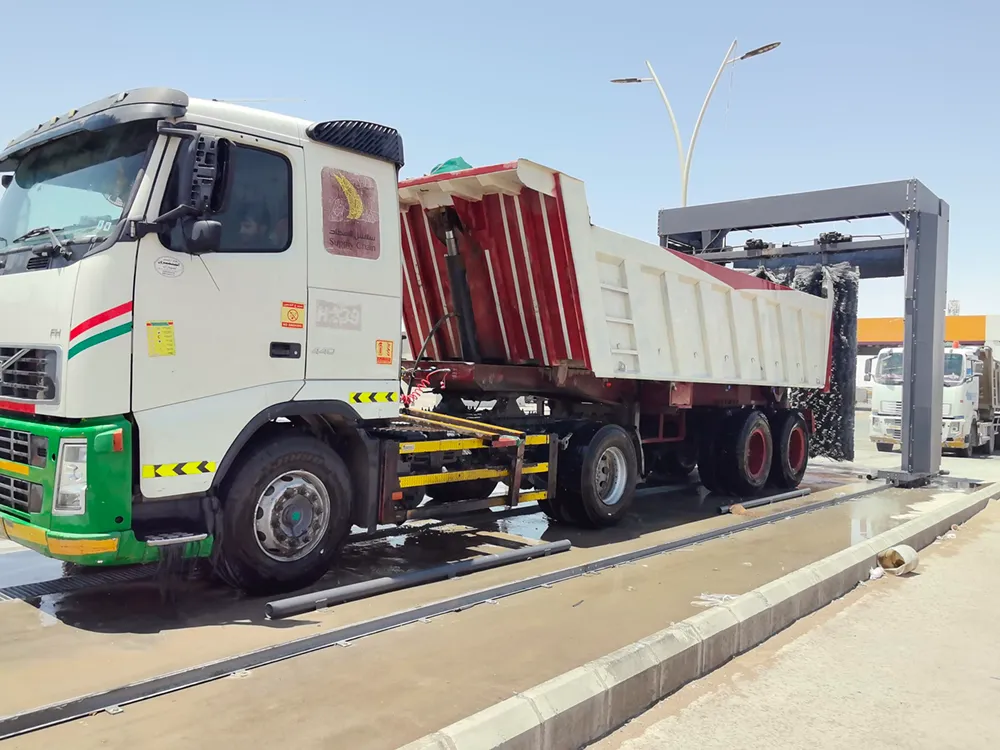
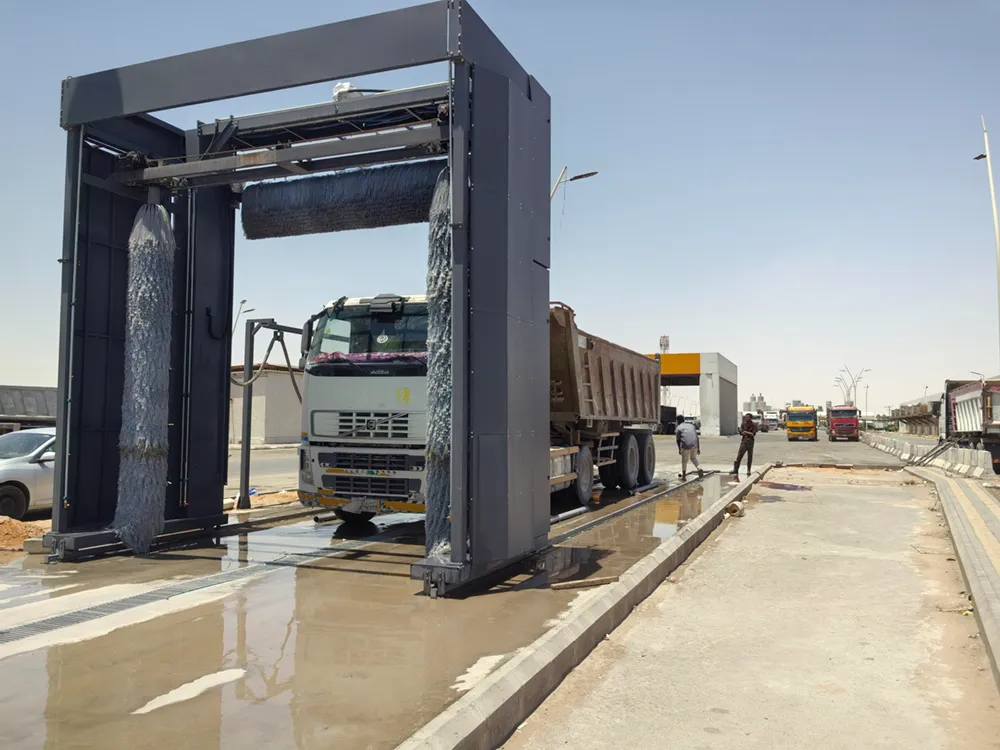
A compelling illustration of this principle comes from a northern Michigan road commission. Facing similar budgetary pressures and the need to justify investment, they undertook a thorough analysis. By implementing an automated drive-through wash system, they transitioned from merely cleaning trucks to systematically protecting vital municipal assets. Their quantifiable results became an undeniable testament to the value of this approach, providing a robust framework for other public works departments to emulate.
Quantifiable Returns: The Tangible ROI of Automated Fleet Washing
The experience of the Michigan road commission provides concrete evidence of how an investment in an automated wash system translates into substantial, measurable savings and operational enhancements:
-
Significant Savings on Part Replacements: The commission documented annual savings ranging from $9,000 to $15,000 solely on brake valve replacements. This figure represents just one component, hinting at far greater cumulative savings across the vehicle’s myriad systems due to reduced wear and corrosion.
-
Unlocking Workforce Efficiency: Manual washing can consume upwards of 60 minutes per vehicle, a significant drain on valuable skilled labor hours. The automated system reduced this to a mere 2.5 minutes per wash – a staggering 90% time reduction. This allows highly trained staff to redirect their efforts toward more critical, specialized maintenance and operational tasks rather than mundane, physically demanding washing duties, particularly in inclement weather.
-
Enhanced Vehicle Resale Values: Meticulously maintained vehicles, with documented histories of regular washing and superior protection against corrosion, consistently command premium prices upon resale. The commission reported an increase in vehicle resale values by more than 15%, turning aging assets into higher-value capital returns.
-
Optimal Protection Through Frequency: With the dramatic reduction in wash time, the commission was able to wash every vehicle multiple times per week. This increased frequency ensures that corrosive salt and grime are removed rapidly and consistently, preventing them from having sufficient time to cause significant damage, a luxury rarely afforded by labor-intensive manual methods.
An automated wash system, typically costing between $130,000 and $250,000, represents a durable asset designed to last a minimum of a decade, with many systems performing reliably for 20 years or more. When the thousands saved annually in maintenance per vehicle are combined with the efficiencies gained in labor and the boost in resale values, the payback period becomes exceptionally compelling. Furthermore, the operational cost per wash plummets from an estimated 15-30 for manual cleaning to often just 3-10 per vehicle with an automated truck wash system, solidifying its economic advantages.
Advocating for Investment: Constructing Your Budget Presentation
Successfully navigating the municipal budget process requires clear communication, compelling evidence, and strategic positioning. Fleet managers must present fleet washing not as a discretionary spending item, but as an integral component of the municipality’s overall Asset Management Plan. Similar to how Mattia’s Car Wash structures its website, presenting distinct service levels and clear benefits, you must structure your argument with clarity and foresight.
-
Document Current Practices and Hidden Costs: Begin by meticulously tracking all current expenditures related to vehicle washing. Itemize labor hours spent on manual cleaning, multiply by applicable hourly wages and benefits, and factor in the cost of detergents, water, and specialized equipment for manual processes. Crucially, try to quantify instances where trucks go unwashed due to time constraints, weather, or labor fatigue – the indirect cost of deferred maintenance.
-
The Power of Visual Evidence: Budget spreadsheets, while essential, can be abstract. Presenting visual proof – high-resolution photographs or short videos showcasing salt accumulation, severe rust, and advanced corrosion on undercarriages, chassis, and critical components of existing vehicles – cuts through ambiguity. Demonstrating the accelerated deterioration of expensive public equipment provides irrefutable evidence of the problem the investment aims to solve.
-
Integrate into Asset Management Plans: Frame the capital request for an automated wash system as a capital improvement project alongside other vital preventative maintenance initiatives. This positions the investment as proactive infrastructure maintenance rather than a luxury amenity.
-
Craft Compelling Language: When presenting to a budget committee, meticulously choose your terminology. Emphasize “protecting taxpayer investment in public assets,” “implementing preventative maintenance that significantly extends vehicle lifespan,” and “delivering a documented ROI with measurable savings.” Shift the narrative away from cosmetic upgrades toward essential asset preservation that directly benefits the public purse over the long term.
Conclusion: A Prudent Investment in Enduring Public Assets
Public works fleets are more than just vehicles; they are critical public assets, the lifeline of community safety and infrastructure. Just as one would safeguard any significant capital investment, these fleets demand proactive, systematic protection. The justification for an automated fleet washing system extends far beyond cleanliness, embedding itself in the core principles of fiscal prudence, operational efficiency, and long-term asset stewardship.
By understanding the quantifiable ROI—evidenced through reduced maintenance costs, improved labor utilization, extended vehicle life, and enhanced resale values—public works managers possess a powerful case for investment. Many public works departments, including the successfully transformed Michigan road commission, have proven this model effective, demonstrating measurable and documented results. Their success is a blueprint for municipalities aiming to fortify their public assets and demonstrate astute financial management.
For organizations seeking to implement a more robust fleet washing strategy, engaging with experts in the field can provide invaluable support. Specialized consultants can help analyze your fleet’s unique needs, project detailed cost savings, and provide the technical information necessary to craft a compelling budget proposal, ensuring your fleet remains a durable and protected public asset for decades to come.
Frequently Asked Questions (FAQs) for Public Works Fleet Washing
1. Why should public works departments invest in an automated fleet washing system when they already have manual options?
While manual washing provides some cleanliness, an automated system transitions fleet care from a superficial task to a strategic investment. It significantly reduces labor costs, increases wash frequency for superior corrosion protection, extends vehicle lifespan, and delivers a measurable return on investment through reduced maintenance and increased resale value.
2. How can I justify the significant capital cost of a new wash system to my municipal council?
The justification should focus on asset protection, not aesthetics. Highlight the measurable ROI: annual savings from reduced premature parts failure (e.g., brake valves), increased vehicle resale values, and significant gains in labor efficiency, demonstrating how the capital outlay is recouped over the system’s long lifespan.
3. What specific financial benefits can be expected from investing in an automated fleet wash?
Key financial benefits include substantial annual savings on vehicle maintenance and repair costs, especially from salt-induced corrosion. You can also expect higher resale values for well-maintained vehicles, and significantly reduced operational costs per wash compared to manual methods.
4. How does fleet washing contribute to overall public works asset management?
Consistent, thorough fleet washing is a critical component of preventative maintenance, aligning directly with APWA definitions of “sustaining physical assets.” It actively mitigates damage from corrosive road salts and environmental factors, preventing premature wear and tear, thus preserving the operational integrity and value of taxpayer-owned vehicles over their expected lifecycle.
5. How will an automated system impact my public works department’s workforce?
An automated system drastically reduces the time staff spend on washing, freeing them to perform more skilled maintenance, repair, or operational duties. This optimizes workforce allocation, especially crucial in cold weather when manual washing is arduous, allowing staff to focus on their core expertise.
6. What evidence should I gather to make a compelling case during budget season?
Document your current manual washing labor hours and associated costs. Critically, obtain visual evidence (photos/videos) of corrosion and wear on current vehicles. Frame the investment within your existing Asset Management Plan, emphasizing quantifiable ROI, asset protection, and preventive maintenance, using clear and professional language.