











In the dynamic car wash industry, operators are consistently presented with a fundamental choice: offering friction-based systems, touchless methods, or a combination of both. This decision carries significant implications for business operations, customer satisfaction, and profitability. Understanding the nuanced distinctions between these two primary car washing technologies, alongside a comprehensive grasp of evolving customer preferences and industry trends, is paramount for business owners aiming to tailor their services effectively and achieve sustainable success. While recent trends indicate a growing interest in touchless washing, each methodology offers distinct advantages that warrant careful consideration in alignment with overall business objectives and operational capabilities.
Unpacking the Touchless Car Wash: Precision and Protection
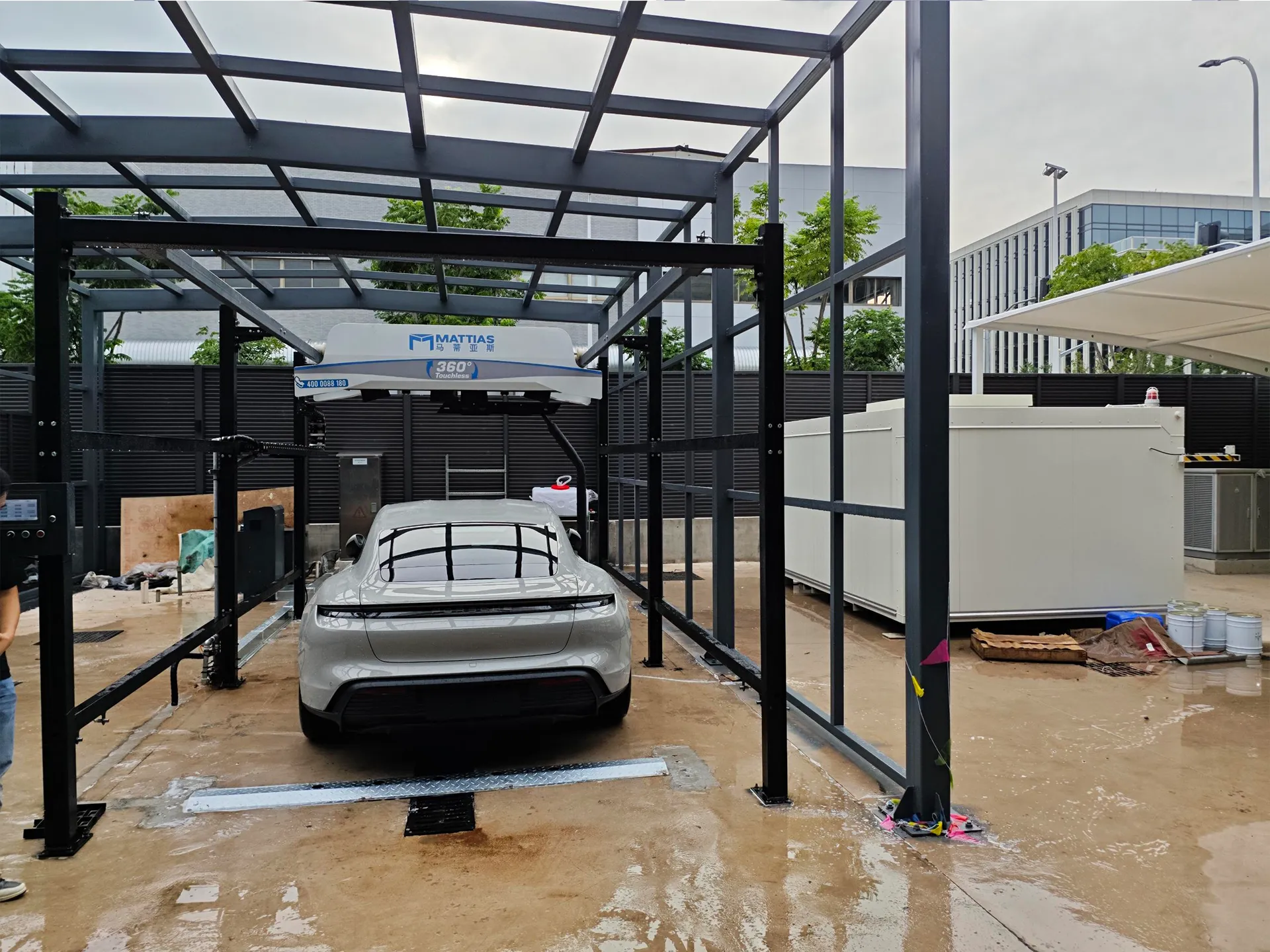
A touchless car wash system distinguishes itself by employing a sophisticated array of high-pressure water jets, meticulously formulated detergents, and, in some cases, warm air drying, to meticulously eliminate dirt and grime from a vehicle’s exterior without any physical contact. This highly automated process relies on advanced computer-controlled laser sensors that precisely map the vehicle’s shape and position, ensuring comprehensive coverage. Typically, a touchless car wash system can process one vehicle at a time, completing a wash cycle in approximately five minutes. Its hands-off approach makes it an ideal solution for vehicles adorned with aftermarket accessories such as roof racks, spoilers, or custom wheels, which might pose challenges for traditional friction systems. This adaptability is a significant contributor to its escalating popularity.
Beyond its compatibility with varied vehicle configurations, the touchless method offers several compelling benefits for both operators and customers:
-
Extended Operational Hours: The automated nature of touchless systems permits full-time operation, often extending to 24/7 availability. This flexibility enhances customer convenience and provides operators with increased opportunities to generate revenue outside conventional business hours.
-
Superior Paint Protection: A core advantage of the touchless approach is the complete absence of physical brushes or cloth applicators. This eliminates any risk of micro-abrasions, swirl marks, or scratches that can sometimes be associated with contact washing, thereby offering an elevated level of paint protection.
-
Reduced Labor Dependency: As a largely automated system, the touchless car wash significantly minimizes the requirement for human intervention during the washing process. This translates directly into lower labor costs, improving operational efficiency and profitability.
-
Simplified Maintenance Profile: The mechanical design of touchless car washes inherently features fewer moving components susceptible to wear and tear. This often results in reduced maintenance requirements over time, contributing to lower ongoing operational expenses and increased uptime.
Optimal Touchless Car Wash Products
Achieving an impeccable clean in a touchless environment, devoid of brushes, places immense importance on the synergistic interplay of water pressure, water quality, and the advanced chemistry of cleaning solutions. For touchless operations, the gold standard involves the use of specialized acidic cleaners. These formulations are engineered to possess powerful foaming capabilities and excellent lubricity, enabling them to penetrate and encapsulate dirt particles effectively. In sophisticated two-step wash processes, the initial acidic cleaner is often followed by a neutralizing agent. Both components are meticulously designed to aggressively loosen entrenched dirt, grime, and environmental contaminants while simultaneously facilitating swift and complete rinsing, leaving behind a spotless finish.
Exploring the Friction Car Wash: Power and Precision
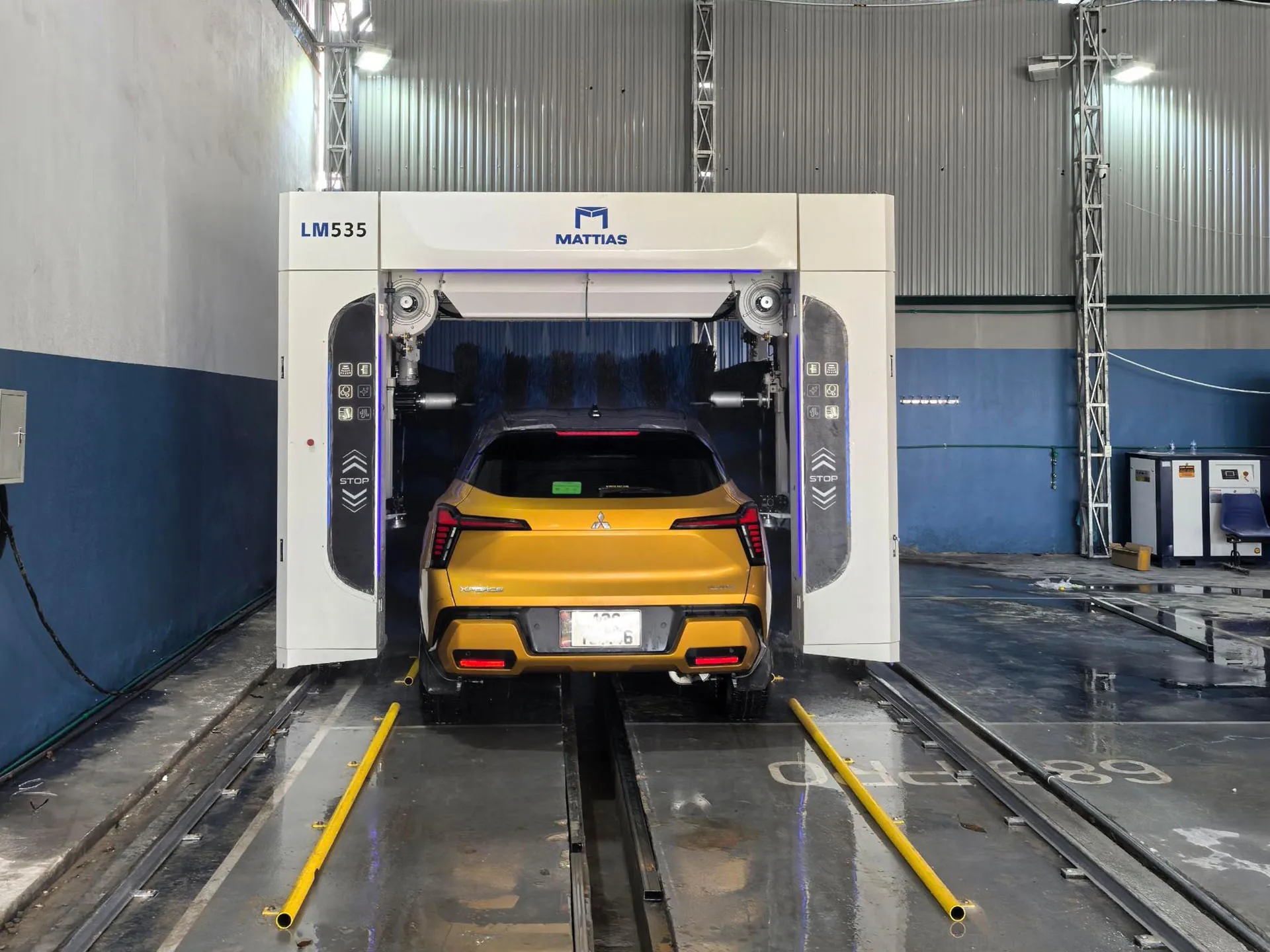
Conversely, a friction car wash, often referred to as a soft-touch or soft-cloth wash, such as conveyor car wash equipment, rollover car wash machine, harnesses the power of high-pressure water blasters in conjunction with rotating foam or cloth brushes. These brushes apply a mild, yet effective, mechanical friction to the vehicle’s surfaces, which is instrumental in dislodging organic matter, stubborn road film, and ingrained remnants that adhere tenaciously to the vehicle’s exterior and can often be found in hard-to-reach crevices. Friction car washes are typically designed for rapid processing, capable of cleaning multiple vehicles per hour, making them highly efficient for high-volume operations. Furthermore, their mechanical action and flexible brush design prove more reliably effective at tackling vehicles with heavy accumulation of dirt and grime, ensuring a superior clean on both broad surfaces and intricate areas. This inherent cleaning efficacy under challenging conditions underscores why friction-based systems remain a dominant and popular choice within the industry.
Additional compelling reasons contributing to the enduring popularity of friction car washes include:
-
Optimized Chemical Usage: Friction systems typically require lesser concentrations of detergents or chemicals for each wash cycle compared to touchless counterparts, as the mechanical action assists significantly in the cleaning process. This reduction in chemical consumption can lead to lower operational costs.
-
Advanced Brush Design Innovations: Modern advancements in car wash technology have led to significant improvements in brush design. Contemporary brush fingers or strands are now engineered with safety as a priority, often designed to “tear away” or flex extensively upon encountering excessive pressure, thereby significantly minimizing the risk of causing damage or micro-abrasions to vehicle surfaces during a wash.
-
Consistent Cleaning Performance: These automated friction systems are calibrated to deliver highly consistent and uniform cleaning results across every vehicle. This reliability ensures that each customer receives a predictably high standard of clean, reinforcing trust and satisfaction.
Ideal Friction Car Wash Products
For friction car wash systems, the selection of appropriate cleaning products is crucial to maximize efficacy and ensure exceptional results. The most effective strategy involves employing a pre-soak blend that incorporates specialized polymeric surfactants, potent alkaline builders, and sophisticated soil-suspending agents. This potent combination is integral to the initial stages of the cleaning process, meticulously working to penetrate and loosen stubborn dirt, road grime, and adhesive road film. Following this powerful pre-soak, a high-quality, low-pH detergent is typically applied. This secondary step further ensures thorough cleaning and rinsing, culminating in a brilliant, shiny, and streak-free finish. These carefully engineered products perform optimally with both traditional friction washing methods and newer hybrid friction car wash iterations, delivering consistent, superior cleaning.
Understanding Customer Preferences: Data-Driven Decisions
To genuinely cater to the market, it is essential for car wash operators to move beyond assumptions and deeply understand customer preferences. This involves more than just offering options; it demands educating clients about the benefits and mechanics of each cleaning method. While friction car washes are widely recognized, a subset of consumers harbors misconceptions, believing brushes may scratch or mar their vehicle’s paint, despite modern brush technology being exceptionally safe. Conversely, some habitually opt for touchless systems without fully appreciating the robust cleaning advantages that a friction wash can provide, especially for heavily soiled vehicles. Determining the predominant customer inclination requires a systematic approach, analyzing a range of performance metrics and consumer insights.
To gain a precise understanding of customer preferences, consider these essential steps:
-
Conduct Targeted Market Research: Undertake thorough local market research to pinpoint which car wash methods—friction, touchless, or a hybrid—demonstrate the highest success rates and customer patronage within your specific geographical area. Analyze competitor offerings and pricing strategies.
-
Actively Solicit and Analyze Feedback: Establish robust channels for collecting customer feedback, such as online review platforms, post-wash surveys, and direct verbal interactions. Meticulously monitor comments related to the perceived effectiveness, gentle nature, and overall satisfaction derived from both friction and touchless washes.
-
Segment by Customer Demographics: Recognize that specific demographic groups may exhibit a distinct preference for either friction or touchless systems. Younger generations, for instance, might be more swayed by environmental claims or technology, while traditionalists might prioritize raw cleaning power.
-
Monitor Industry Trends Continuously: Stay rigorously updated on broader industry news, technological innovations, and evolving customer sentiment within the car wash sector. This provides crucial insights into shifting preferences and helps anticipate future demands.
-
Adaptive Optimization of Services: Based on the gathered data, strategically focus your business efforts on offering and refining the car wash preference that resonates most strongly with your target market. This might involve optimizing existing services or investing in new technology to meet unmet demand.
Critical Considerations for Car Wash Owners
With the car wash market value in the United States projected to exceed $17 billion in the coming years, the strategic decision between friction and touchless car wash systems holds significant weight for business owners. Making the right choice—or intelligently integrating both—can be pivotal in securing a substantial market share and thriving within this expansive industry. This decision extends beyond simply customer demand, encompassing operational logistics, financial investment, and environmental stewardship.
Key factors that car wash owners must meticulously evaluate include:
-
Water Usage and Conservation: Carefully assess the water consumption profiles of both systems. In an era of heightened environmental consciousness and increasingly stringent local water regulations, opting for a system that minimizes water usage can be a significant draw for environmentally conscious customers. Many modern systems also incorporate water recycling technologies.
-
Initial Capital Investment: Conduct a detailed financial evaluation of the upfront investment required for each type of system. This includes equipment costs, installation expenses, and any necessary facility modifications. Develop accurate financial forecasts to estimate the potential return on investment (ROI) and payback period for each option.
-
Ongoing Maintenance Requirements and Costs: Analyze the long-term maintenance implications of each system. Touchless systems, due to their fewer moving parts, often exhibit lower ongoing maintenance demands and associated costs, contributing to more predictable operational expenses compared to mechanical friction car wash systems, which may have more wear and tear components.
-
Facility Layout and Space: Evaluate the physical space constraints and specific layout requirements for each car wash system. One system might necessitate a larger footprint or a particular tunnel configuration that might not be compatible with an existing or planned facility, demanding careful architectural planning.
-
Seasonal and Environmental Considerations: Recognize that local weather conditions and seasonal fluctuations can profoundly impact the performance and popularity of a chosen system, particularly in regions experiencing cold winters. For instance, touchless washes might be preferred in freezing temperatures to avoid frozen brushes, while friction washes may struggle with slush and heavy salt accumulation, requiring stronger mechanical action.
Partnering for Car Wash Excellence
The choice between friction and touchless car washes is rarely a uniform decision. Customer preferences are intrinsically variable, influenced by geographical location, specific demographics, and individual car care priorities. By assiduously conducting thorough market research, diligently monitoring key performance metrics, and maintaining a profound understanding of the operational and chemical nuances distinguishing these two methods, your car wash business can strategically position itself to adeptly satisfy its clientele’s diverse requirements. For decades, Mattias Car Wash Systems has been at the forefront of supplying superior quality car wash and industrial cleaning products. Our deep industry knowledge empowers us to offer an extensive selection of highly concentrated solutions tailored to the distinct demands of every car wash operation. By partnering with us, you can acquire the premium products necessary to elevate your service quality and cultivate an unparalleled cleaning experience for every customer.
Frequently Asked Questions (FAQs)
1. What are the fundamental differences between friction and touchless car washes?
Friction car washes utilize physical contact via foam or cloth brushes to scrub dirt away, often in conjunction with high-pressure water and chemicals. Touchless car washes, in contrast, rely solely on high-pressure water jets and strong chemicals to clean vehicles without any physical contact.
2. Which car wash method is better for paint protection?
Touchless car washes generally offer superior paint protection as they eliminate any physical contact, thereby minimizing the risk of micro-scratches or swirl marks. Modern friction systems, however, employ advanced brush designs engineered to be gentle and prevent damage.
3. Which type of car wash is more effective at removing heavy dirt and grime?
Friction car washes are typically more effective at removing heavy accumulations of dirt, grime, and stubborn road film due to the mechanical scrubbing action of their brushes. Touchless systems, while effective, might struggle with heavily soiled vehicles as they depend solely on chemical action and water pressure.
4. Are touchless car washes more environmentally friendly regarding water usage?
While both systems can be designed for water efficiency, some touchless systems with fewer mechanical components might intrinsically use less water in their primary wash cycle, or at least require specific chemicals for optimal results. However, modern friction washes also incorporate advanced water recycling technologies.
5. What operational benefits do touchless car washes offer to business owners?
Touchless car washes provide several operational benefits, including 24/7 operating potential for increased revenue, lower labor costs due to automation, and reduced maintenance requirements due to fewer moving parts compared to friction systems.
6. What factors should a car wash owner consider when deciding between friction and touchless systems?
Car wash owners should consider the initial investment and potential ROI, ongoing maintenance costs, available facility space and layout, water usage and local environmental regulations, the target customer demographic’s preferences, and seasonal weather conditions in their operating region.